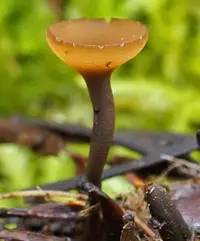
Fairy Fingers Care (Clavaria fragilis)

Also known as: White Spindles
Fairy Fingers

About Fairy Fingers

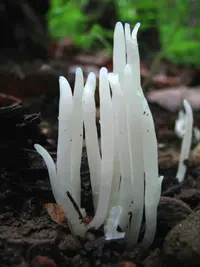
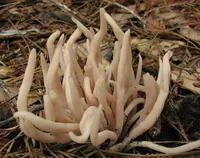
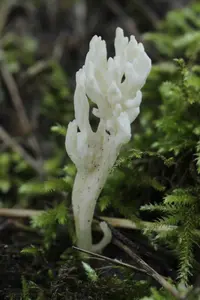
Fairy fingers, Clavaria fragilis, is a small, upright club fungus rather than a leafy plant. It forms slender, pure white, finger-like clubs that grow in tight clusters. These fruiting bodies are fragile and easily broken.

This species typically appears in short grass, mossy lawns, and lightly wooded areas, often in cool, damp seasons. It feeds on decaying organic matter in the soil, so it does not behave like a typical houseplant.

Because it depends on specific soil fungi and moisture conditions, it is difficult to cultivate deliberately, especially indoors. Gardeners who want to learn how to care for Fairy Fingers usually focus on maintaining undisturbed, moist, low-fertilizer turf or naturalized areas.


Main Plant Requirements

Care Difficulty

Hard Care

Light Preference

Partial Shade

Water Requirements

Keep Soil Moist

Temperature Preference

Cool Climate

Hardiness Zone

Unknown

Soil Texture

Loamy, Silty, Organic-rich

Soil pH

Strongly acidic (4.5–5.5), Acidic (5.5–6.5)

Soil Drainage

Moist but well-drained

Fertilization

Minimal (feed rarely)

Get Personalized Care Plan

Scan your plant to receive care tips personalized for your specific plant

Available on iOS and Android

How to Care for the Fairy Fingers

This fungus prefers cool, shaded woodland light rather than direct open sun.

  • Provide bright dappled shade under trees or shrubs, with no more than 1–2 hours of weak early-morning sun on the colony area.
  • Avoid direct midday or afternoon sun, which can dry the substrate and bleach Fairy Fingers, shortening the fruiting period.
  • In summer, increased canopy shade is beneficial; in late autumn, when leaves drop, protect the site with leaf litter to prevent sudden full-sun exposure.

This species thrives in consistently moist, cool substrates rather than in standing water.

  • Aim for evenly moist soil or decaying leaf litter; if the upper 1–2 cm feel dry and crumbly, natural rainfall or gentle supplemental watering is helpful.
  • Ensure the site drains freely; puddling, sour smell, or slimy mycelium indicate overwatering and anoxic conditions that can kill fruiting bodies.
  • During hot or windy periods, check moisture every 1–2 days, watching for shriveling or rapid collapse of fruiting clubs as a sign the substrate is drying too quickly.

This fungus prefers cool, temperate conditions and is sensitive to both hard frost and excessive heat.

  • Best fruiting occurs around 50–65°F (10–18°C), often in cool, moist autumn weather with stable temperatures and high humidity.
  • Mycelium usually tolerates brief drops near 28–32°F (-2–0°C) in soil, but exposed fruiting bodies are easily damaged by frost and may blacken or collapse.
  • Sustained heat above 77–82°F (25–28°C) with dry air greatly reduces fruiting of Clavaria fragilis, so shade and moisture retention become critical in warmer months.

This fungus needs consistently very moist, almost saturated air to fruit well.

  • Aim for 80–95% humidity around Fairy Fingers, especially during active fruiting.
  • White clubs shrinking, becoming translucent, or collapsing indicate humidity stress from air that is too dry.
  • Use a closed, ventilated terrarium or humidity tent over the substrate to maintain very high ambient moisture.
  • Increase local humidity by misting the surrounding air and substrate surface lightly, avoiding direct heavy spraying on the fruiting bodies.

This species fruits best from soft, organic-rich ground rather than typical potting soil.

  • Use a loose, humus-rich, loamy substrate with plenty of decaying leaf litter or fine compost to mimic forest or pasture soils.
  • Ensure drainage is moderate: the substrate should stay evenly damp but not waterlogged, with no standing water around the base.
  • Slightly acidic to neutral conditions around pH 5.5–7 suit Clavaria fragilis, which relies on decomposing organic matter for nutrients.
  • Improve structure by mixing fine compost with leaf mold and a little sand to increase aeration while still holding moisture.

This fungus is technically growable in containers, but success is limited and specialized.

  • Select a wide, shallow container so the substrate layer stays evenly moist while allowing enough surface area for fruiting.
  • Choose a non-porous pot material like plastic to slow evaporation and help maintain the constantly damp substrate this species prefers.
  • Create a drainage layer and small side vents so excess water can escape while humidity stays high close to the substrate surface.

Clavaria fragilis, a saprophytic fungus, gains nutrients from decaying organic matter and usually needs no added fertilizer.

Pruning is generally unnecessary for Clavaria fragilis because its fruiting bodies are short-lived and naturally decompose.

Transplanting this fungus is unreliable because the underground mycelium is easily damaged and tightly linked to its soil environment.

  • Avoid moving established colonies; instead, protect existing habitat with minimal soil disturbance and no compaction.
  • If relocation is attempted, transfer a generous plug of surrounding soil, keeping it intact and evenly moist.
  • Carry out any move during cool, moist weather to reduce mycelium stress and desiccation.
  • After transplanting, maintain stable shade, gentle watering, and undisturbed leaf litter so the mycelium can reestablish.

Propagation of Clavaria fragilis is difficult for home growers and is best left to natural spore spread in suitable woodland or lawn habitats.

Fairy Fingers is cold hardy in its natural range and typically needs no special winter care beyond conserving its habitat.

Care Tips

Substrate inoculation

Introduce small pieces of decayed wood or leaf litter from an area where the fungus already fruits into your chosen bed, as this helps establish the hidden mycelium that must colonize the substrate before any visible clusters appear.

Shaded microhabitat setup

Create a cool, stable microhabitat by layering 3–5 cm of leaf litter over a loamy, well-drained woodland-style bed and positioning it under shrubs or low tree branches to mimic the dim, undisturbed forest floor this species prefers.

Gentle harvest technique

When fruiting bodies appear, cut them at the base with a clean blade rather than pulling them up, so the underground mycelium remains intact and can fruit again in following seasons.

Moisture retention layer

Use a loose top dressing of shredded leaves or fine bark around the fruiting area to reduce surface evaporation and keep the upper soil layer evenly moist without turning it waterlogged.

Seasonal observation log

Keep simple notes or photos of where and when clusters appear each year, since tracking patterns greatly improves long-term success in growing Fairy Fingers by highlighting the site conditions that consistently trigger fruiting.

Common Pests and Diseases

Slime molds

This disease appears as soft, slimy growths that can overgrow the delicate fruiting bodies and surrounding organic matter. Symptoms include rapid collapse and decay of the white clubs in very wet, stagnant conditions.

Solution

Reduce excess surface moisture by improving drainage and avoiding heavy compaction of the surrounding soil or litter. Gently remove and discard heavily affected material and maintain better air movement at the site to discourage further development.

Parasitic fungi

This disease is caused by other fungi that colonize and consume the fragile clubs, leading to browning, deformation, and premature disintegration. Symptoms include localized patches where the clubs become discolored, fuzzy, or covered with a different fungal growth.

Solution

Carefully remove and dispose of infected clumps, including underlying substrate, to limit spread. Avoid overwatering or prolonged saturation and rotate fruiting areas in cultivation setups so fresh, clean substrate is used regularly for grow Clavaria fragilis.

Fungus gnat larvae

These insects lay eggs in moist organic substrates, and the larvae feed on fungal tissue and fine mycelium, causing clubs to collapse or fail to develop. This pest is more common in very moist indoor or sheltered culture conditions.

Solution

Allow the surface of the substrate to dry slightly between waterings while keeping overall humidity suitable, and use fine mesh or sticky traps to reduce adult gnats. In contained culture, a biological control such as Bacillus thuringiensis israelensis (Bti) in the substrate can reduce larvae without damaging the fungus.

Springtails

These insects are small, jumping arthropods that thrive in damp substrates and may graze on young mycelium or soft club tissue when populations are high. Symptoms include small feeding marks and reduced vigor of developing fruiting bodies in closed or overly wet setups.

Solution

Lower excessive moisture and improve ventilation to keep conditions moist but not saturated, which naturally reduces population levels. In culture containers, gently remove heavily infested substrate layers and replace with fresh material while keeping the environment clean and free from decaying organic buildup.

Interesting Facts

Fragile club morphology

This fungus produces slender, unbranched, club-like fruiting bodies that are typically 3–10 cm tall and easily snap when handled, which is the basis for the epithet fragilis, meaning fragile.

Nutrient recycling role

It is a saprotrophic species, breaking down dead plant material in grasslands and open woodland, and contributes to nutrient cycling in low-fertility soils where it often appears in scattered groups or small tufts.

Association with waxcap grasslands

Clavaria fragilis is frequently recorded in traditional, unimproved grasslands, including so‑called waxcap grasslands in Europe, and is considered one of several indicator species used by mycologists to recognize these high-conservation-value habitats.

Botan icon

Did you know?

Spores of Clavaria fragilis are white and smooth and are often produced in large enough quantities that, under calm and humid conditions, they can create a faint whitish spore deposit around dense clusters of clubs, visible on nearby moss, litter, or low vegetation.

FAQs about Fairy Fingers

This fungus appears quite quickly once conditions are right, often forming visible clubs within a few days after rain. Individual fruiting bodies develop and mature over 1–2 weeks, then collapse and decompose back into the substrate.

Grow Healthy Plants with Botan Care

Keep your plants happy and healthy with plant identification, disease detection, and easy care guidance.

Botan plant care app — identify plants on mobile

Explore More Plants