


Select host wood
Use clean, freshly cut hardwood logs or blocks from non-resinous species like oak or beech, since this fungus colonizes sound to slightly decayed wood rather than rich potting mixes.

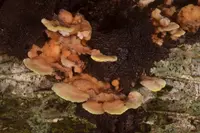
Antrodiella serpula is a small bracket fungus, not a leafy houseplant. It forms thin, crust-like patches with short, wavy caps on dead or decaying wood. The surface is usually cream to pale ochre, with fine pores underneath where it produces spores.
This species is saprophytic, meaning it feeds on dead wood and helps break it down. It occurs mainly in temperate forests, especially on fallen branches and logs. It is not typically cultivated, so how to care for Antrodiella serpula is mostly relevant for those studying wood-decay fungi rather than for home growing.
In nature it prefers cool to mild conditions, steady moisture, and shaded, well-rotted wood rather than soil or pots.

Care Difficulty
Moderate Care

Light Preference
Partial Shade

Water Requirements
Moderate Water

Temperature Preference
Warm Climate

Hardiness Zone
Unknown

Soil Texture
Loamy

Soil pH
Slightly acidic (6.5–7.0)

Soil Drainage
Well-drained

Fertilization
Minimal (feed rarely)
Scan your plant to receive care tips personalized for your specific plant
Available on iOS and Android
This wood-inhabiting fungus prefers stable, low to moderate light rather than direct sun exposure.
Moisture management focuses on keeping the woody substrate evenly damp without saturation.
This species performs best in cool to mild conditions with limited temperature fluctuation.
This wood-decay fungus does not have specific humidity requirements for typical outdoor or log-culture conditions.
Antrodiella serpula is a wood-rotting fungus that grows on dead conifer wood rather than in mineral soil.
This species is not suitable for conventional container growing, as it specializes in colonizing dead conifer wood rather than forming a root system in potting media.
This wood-decaying fungus typically grows on nutrient-rich dead wood and does not require additional fertilization in garden or indoor culture.
Pruning is not applicable for this bracket fungus, as Antrodiella serpula forms thin, resupinate fruiting patches on dead wood rather than leafy shoots or stems.
This species is not suited to normal container culture; management focuses on where it colonizes wood rather than on repotting.
Propagation of this saprobic fungus is generally not practiced in home or ornamental settings and is better left to natural spore dispersal or specialist culture work.
No special winter care is needed, as this wood-inhabiting fungus tolerates normal outdoor temperature fluctuations and survives in colonized timber.

Plant Health Check
Not sure what's wrong with your plant? Check your plant's health inside the app.
The fruiting bodies form thin, resupinate crusts on wood with a finely fringed, often serpentine margin that helped inspire the species name serpula, meaning little snake.
This species is a white-rot fungus that decomposes lignin in dead hardwoods, leaving the wood pale and fibrous and playing a key role in nutrient recycling in temperate forests.
Identification relies strongly on microscopy, as it has small, smooth, hyaline (transparent) spores and characteristic cystidia that separate it from similar crust fungi.
This wood-decaying bracket fungus is considered inedible. It is tough, corky, and lacks culinary value. It is not known to be a sought-after food species and should not be collected for eating.
Keep your plants happy and healthy with plant identification, disease detection, and easy care guidance.

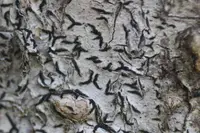
Alyxoria demutata
Alyxoria demutata
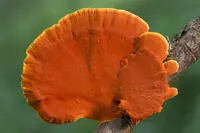
Orange polypore
Trametes sanguinea
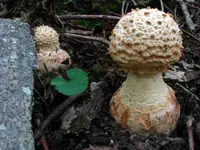
Carrot-Footed Lepidella
Amanita daucipes
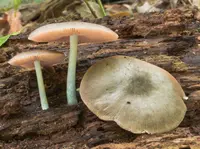
Pluteus americanus
Pluteus americanus
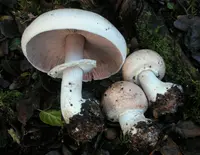
Felt-ringed Agaricus
Agaricus hondensis
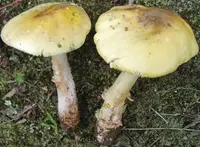
Yellow American Blusher
Amanita flavorubens
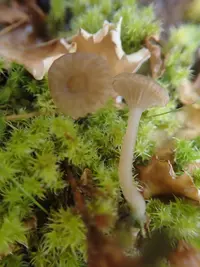
Arrhenia peltigerina
Arrhenia peltigerina
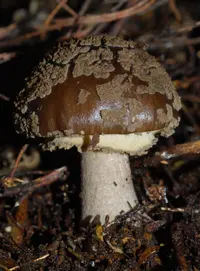
Southern Beech Amanita
Amanita nothofagi