Antrodiella pallescens Care

Antrodiella pallescens

About Antrodiella pallescens

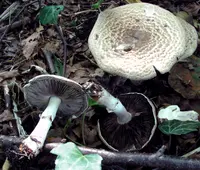
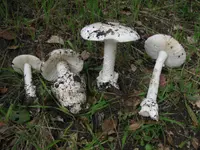
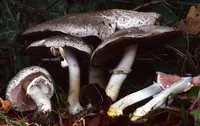
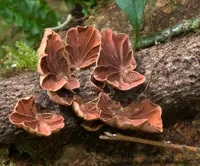
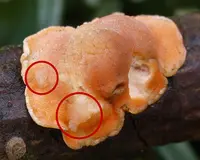
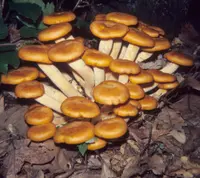
Antrodiella pallescens is a small wood-decay fungus rather than a leafy plant. It forms thin, crust-like fruiting bodies on dead or dying hardwood, often on fallen branches or trunks. The surface is usually pale cream to light buff, with a smooth to slightly bumpy texture.

This species occurs mainly in temperate forests, where it plays an important role in breaking down lignin and cellulose in wood. It is not typically grown as an ornamental organism, and attempts to care for Antrodiella pallescens at home are uncommon because it requires consistently decaying wood and stable forest-like conditions.

In nature, it prefers shaded, moist habitats and well-rotted wood, which provide the steady humidity and nutrients it needs to develop and reproduce.

Main Plant Requirements

Care Difficulty

Moderate Care

Light Preference

Partial Shade

Water Requirements

Moderate Water

Temperature Preference

Warm Climate

Hardiness Zone

Unknown

Soil Texture

Loamy

Soil pH

Slightly acidic (6.5–7.0)

Soil Drainage

Well-drained

Fertilization

Minimal (feed rarely)

Get Personalized Care Plan

Scan your plant to receive care tips personalized for your specific plant

Available on iOS and Android

How to Care for the Antrodiella pallescens

This wood-inhabiting fungus prefers low to moderate light, similar to shaded forest conditions.

  • Provide dappled or filtered light, such as under a tree canopy or on the shaded side of decaying logs, avoiding direct midday sun.
  • Allow gentle morning sun for 1–3 hours if outdoors, but maintain shade or deep shade for the rest of the day to prevent desiccation.
  • In dry or hot seasons, increase shading and maintain higher ambient humidity, as excessive light and heat quickly dry substrate surfaces and limit fruiting.

Moisture availability in the wood substrate is more critical than direct watering for this fungus.

  • Keep host wood consistently moist but not waterlogged; surface should feel damp, not glossy or slimy, when touched.
  • If conditions are dry or windy, mist the log surface lightly when the outer 2–3 mm feel dry, allowing moisture to soak in between applications.
  • Avoid standing water around the wood, which reduces oxygen and encourages bacterial rot; cracked, shriveling fruiting bodies indicate dryness, while soggy, collapsing tissue suggests excess moisture.

This species thrives in cool to mild conditions typical of temperate woodlands.

  • Aim for 50–72°F (10–22°C) as the main activity range, where mycelial growth and fruiting are more likely to remain stable.
  • Tolerate short drops near 32°F (0°C), but repeated hard frost below 28°F (-2°C) can damage exposed fruiting bodies, even if internal wood remains colonized.
  • In hot periods above 80°F (27°C), provide deeper shade and higher humidity, as extended exposure over 86°F (30°C) dries the substrate and can halt visible growth of Antrodiella pallescens.

Humidity is not a major factor for Antrodiella pallescens, which primarily behaves as a wood-decaying fungus in natural settings rather than a conventional house or container plant.

This wood-decaying fungus does not grow in conventional potting soil but instead colonizes dead wood with specific physical and chemical properties.

  • Provide dense, undecayed hardwood logs or branches rather than any mineral or pot-based substrate, since the species is adapted to lignocellulosic material, not loamy or sandy soil.
  • Ensure the wood stays evenly moist but not waterlogged by allowing free drainage around the log so air can reach the fungal tissues and prevent anaerobic conditions.
  • Avoid treated, painted, or pressure-impregnated timber, as chemicals can inhibit fungal growth and interfere with nutrient breakdown and spore formation.
  • If simulating a more natural setting outdoors, partially sink the wood into leaf litter or coarse bark to stabilize moisture while still allowing air movement.

This species is not suitable for conventional container growing, as it is a wood-decaying fungus that requires solid woody substrate rather than a pot-based environment.

This wood-decaying fungus grows on nutrient-rich dead wood and usually does not benefit from added fertilizer in cultivation.

Antrodiella pallescens does not require structured pruning, but minor sanitation can support observation and study of the fruiting bodies.

  • Trim away only clearly dead or crumbling fruiting structures using clean, sharp scissors or a craft knife.
  • Carry out any removal in dry weather to minimize spreading spores or contaminants to nearby hosts.
  • Avoid cutting into the living host wood; restrict trimming to surface fungal tissue only.
  • Discard removed material in sealed bags rather than composting to limit unintended spread.

This species is a wood-inhabiting fungus, so care focuses on choosing and renewing suitable woody substrate rather than classic repotting.

  • Consider shifting to fresh logs or branches when fruiting declines, tissue looks exhausted, or contamination appears.
  • Plan any substrate change in cool, stable conditions to reduce stress on the mycelium network.
  • Move colonized wood gently to a new location with similar shade, humidity, and airflow.
  • Avoid breaking or scraping colonized areas; handle by uncolonized wood ends or support pieces.

In practice, Antrodiella pallescens is propagated by transferring colonized wood rather than by home-scale spore work.

  • Use small sections of fully colonized, healthy wood to inoculate fresh, untreated logs or blocks.
  • Make transfers in cool, shaded, humid conditions to reduce desiccation of exposed mycelium.
  • Press colonized surfaces firmly against new wood and secure with tape, straps, or breathable wrap.
  • Keep the new assembly in a sheltered, consistently moist microclimate until new fruiting confirms establishment.

Outdoors on native hosts, this fungus is generally cold hardy and needs no specific winter care.

  • Leave colonized wood in place so temperature and moisture follow natural seasonal patterns.
  • If in a controlled study setup, maintain outdoor-like cold but avoid rapid freeze–thaw cycling.
  • Limit handling of frozen or very cold fruiting bodies, as they become brittle and break easily.

Care Tips

Host wood selection

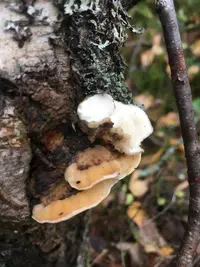
Use freshly cut, undecayed hardwood logs or branches with intact bark, as this fungus establishes best on sound but moist wood rather than on fully rotten material.

Controlled inoculation

Drill shallow holes into the host wood, insert clean spawn or colonized dowels, and seal with wax to give this species a competitive advantage over wild fungi on the same substrate.

Moisture management

Keep the inoculated wood shaded and in stable 60–80% humidity by mulching lightly around logs or placing them on damp gravel so the wood stays moist but not waterlogged.

Airflow and spacing

Space inoculated pieces of wood a few inches apart on a raised support such as bricks or a mesh rack to improve air circulation and reduce mold and bacterial problems while growing Antrodiella pallescens.

Sanitation between batches

Disinfect tools with alcohol or a 1:10 bleach solution before moving between different logs or wood batches to limit cross-contamination from competing fungi and pests.

Common Pests and Diseases

Wood-boring beetles

These insects target decaying hardwood where the fungus grows, tunneling through the wood and sometimes through the fruiting bodies. Symptoms include fine bore dust, small round exit holes, and damaged or misshapen brackets.

Solution

Remove and discard heavily infested wood to break the beetle life cycle, and store any culture or display logs in a cool, dry, well-ventilated place. For valuable research or display material, use deep-freezing (at least 48 hours) or heat treatment (around 50–55°C for several hours) to kill larvae without chemical residues.

Fungus gnats

These insects are attracted to persistently damp substrates with fungal growth and can swarm around fruiting bodies. Larvae feed in the moist wood or substrate, sometimes grazing on young tissue and encouraging secondary contamination.

Solution

Reduce excess moisture by improving drainage and allowing the substrate surface to dry slightly between waterings or misting. Use fine mesh screens, yellow sticky cards, and, if needed, a biological control such as Bacillus thuringiensis israelensis (Bti) applied to the substrate according to label directions.

Green mold contamination

This disease is caused mainly by Trichoderma species that colonize the same wood and outcompete the fungus, producing fast-spreading green patches on or around the fruiting bodies. Symptoms include reduced or deformed brackets and a dusty or velvety green surface over the substrate.

Solution

Physically remove contaminated pieces of wood or cut away heavily colonized areas, then dispose of them securely. Lower humidity slightly, increase airflow, clean surrounding surfaces with a 10% bleach solution, and, for culture work, use only fresh, uncontaminated inoculum and sterilized tools as part of careful Antrodiella pallescens care.

Bacterial soft rot

This disease develops in overly wet, stagnant conditions and causes localized watery spots on the fruiting body that turn soft, translucent, and sometimes foul-smelling. Symptoms include collapse of affected tissue and a slimy surface.

Solution

Remove and discard any rotting tissue and reduce ambient humidity to the lower end of the species’ tolerance range while improving air movement. Avoid direct water on fruiting bodies, water only the substrate, and disinfect tools and surfaces that touched infected material with isopropyl alcohol or a mild bleach solution.

Interesting Facts

Specialized white-rot fungus

This species is a white-rot basidiomycete that can break down both lignin and cellulose in dead wood, contributing to the complete mineralization of hardwoods in temperate forests.

Preference for hardwood hosts

It typically occurs on well-decayed fallen branches and logs of broadleaf trees, especially beech and other hardwoods, and is only rarely reported on conifers.

Tiny pore structure

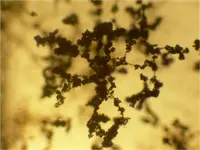
The fruiting bodies form thin, resupinate crusts with very small, round to angular pores that require magnification for reliable identification, which helps distinguish it from similar pale polypores.

FAQs about Antrodiella pallescens

This bracket fungus is not considered edible. It is tough, corky, and lacks culinary value. Identification of small crust and bracket fungi is difficult, so it should not be eaten or used as wild food.

Grow Healthy Plants with Botan Care

Keep your plants happy and healthy with plant identification, disease detection, and easy care guidance.

Botan plant care app — identify plants on mobile

Explore More Plants