


Select proper substrate
For cultivating this crust fungus on logs or boards, choose sound but not freshly cut hardwood (e.g., oak, beech, maple) that has aged 3–12 months so the wood is firm yet has begun to soften enough for colonization.

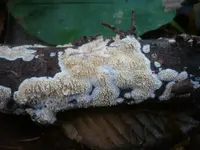
Toothed crust, Basidioradulum radula, is a small wood-decaying fungus rather than a traditional leafy plant. It forms thin, crust-like patches that tightly adhere to dead wood, with a bumpy or finely toothed surface that can appear cream to light brown.
It naturally occurs on fallen branches, logs, and dead trunks in temperate forests, often in shaded, humid locations. The species plays an important role in breaking down wood and recycling nutrients in forest ecosystems.
Gardeners who care for Toothed Crust usually focus on providing stable wood substrates, consistent moisture, and sheltered, low-light conditions. Its slow, creeping growth and reliance on decaying wood make it more suitable for specialized fungi or woodland habitat projects than for typical indoor culture.

Care Difficulty
Moderate Care

Light Preference
Partial Shade

Water Requirements
Keep Soil Moist

Temperature Preference
Cool Climate

Hardiness Zone
Unknown

Soil Texture
Loamy, Organic-rich

Soil pH
Acidic (5.5–6.5)

Soil Drainage
Moist but well-drained

Fertilization
Minimal (feed rarely)
Scan your plant to receive care tips personalized for your specific plant
Available on iOS and Android
This crust fungus prefers low to moderate light typical of shaded woodland habitats rather than direct sun exposure.
This wood-decaying fungus relies on consistently moist but not waterlogged conditions within its woody substrate.
This species is adapted to cool to mild outdoor conditions and tolerates moderate temperature fluctuations through the year.
This wood-decay fungus tolerates a wide humidity range but benefits from consistently moist air when actively growing.
Basidioradulum radula is a wood-inhabiting fungus, so it grows on woody substrates rather than conventional garden soil.
This species is not well suited to conventional container growing, though it can be maintained on colonized wood pieces placed in trays or boxes for observation.
Basidioradulum radula is a wood-decaying fungus that typically gains enough nutrients from its host and usually does not need additional fertilization.
Pruning is not part of normal care for Basidioradulum radula, which naturally forms crust-like fruiting bodies on dead wood.
This species is not managed like a potted plant, so repotting is not relevant; it is instead associated with dead or decaying woody substrates outdoors.
Propagation of Basidioradulum radula is usually left to natural spore dispersal and colonization processes rather than deliberate techniques.
This crust fungus is naturally cold hardy on outdoor wood and normally requires no specific winter care.

Plant Health Check
Not sure what's wrong with your plant? Check your plant's health inside the app.
This species forms a thin, crust-like fruiting body with a distinctly toothed or warted surface rather than gills or pores, which is typical for many wood-decaying basidiomycetes.
It is a white-rot fungus that decomposes lignin in dead hardwoods, leaving pale, fibrous wood and playing an important role in nutrient recycling in temperate forests and woodlands.
The fungus is frequently recorded not only on dead branches and logs but also on processed timber such as fence posts, rails, or outdoor wooden structures exposed to weather.
This species is a wood-decaying crust fungus that performs best outdoors on dead or decaying wood in humid, shaded conditions. Toothed Crust indoor care is generally impractical, since it relies on natural wood decomposition and stable outdoor microclimates.
Keep your plants happy and healthy with plant identification, disease detection, and easy care guidance.

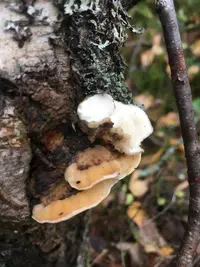
Antrodiella pallescens
Antrodiella pallescens
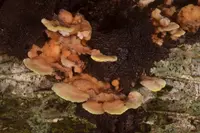
Antrodiella serpula
Antrodiella serpula
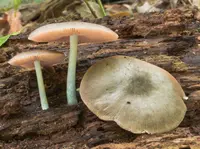
Pluteus americanus
Pluteus americanus
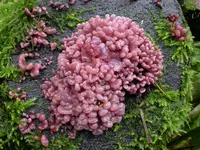
Purple Jellydisc
Ascocoryne sarcoides
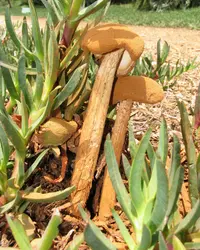
Sandy Stilt-puffball
Battarrea phalloides
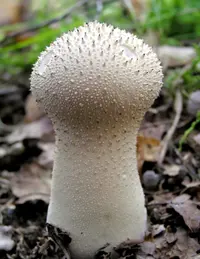
devil's snuff-box
Lycoperdon perlatum
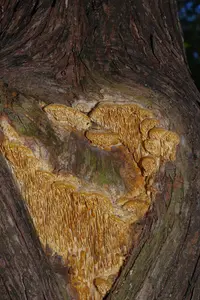
Brunneoporus juniperinus
Brunneoporus juniperinus
Ginkgo Spot
Bartheletia paradoxa