Root zone management
When planting or maintaining mature trees, keep turfgrass, paving, and heavy foot traffic at least 1.5–2× the trunk diameter away from the base to reduce soil compaction and root damage, then mulch this area instead.


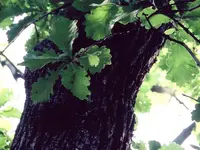
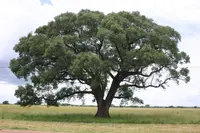
Black poplar (Populus nigra) is a fast-growing deciduous tree known for its tall, upright form and deeply furrowed dark bark. It develops a broad, irregular crown with triangular, shiny green leaves that flutter in the wind.
This species is native to riverbanks and floodplains across Europe and western Asia, where it thrives in moist, well-drained soils. It prefers full sun and ample water, which supports its rapid growth and large size.
In suitable conditions, it is relatively easy to establish but needs space, strong light, and consistent moisture. Understanding how to care for Black Poplar helps prevent weak growth and structural problems over time.

Care Difficulty
Moderate Care

Light Preference
Full Sun

Water Requirements
Regular Water

Temperature Preference
Cold Hardy

Hardiness Zone
4–9

Soil Texture
Sandy, Loamy, Clay

Soil pH
Slightly acidic (6.5–7.0), Neutral (7.0)

Soil Drainage
Moist but well-drained

Fertilization
Minimal (feed rarely)
Scan your plant to receive care tips personalized for your specific plant
Available on iOS and Android
This fast-growing tree requires abundant direct sun to develop a strong, upright crown.
This species naturally grows near rivers and floodplains and prefers consistently moist but not stagnant soil.
This temperate-climate tree is adapted to cold winters and mild to warm summers.
Populus nigra prefers moderately moist air but usually adapts to typical outdoor humidity levels.
Populus nigra thrives in deep, moist, well-structured soils with consistent but not stagnant moisture.
This species is generally unsuited to long-term container growing due to its vigorous root system and large mature size.
Black poplar grows fast and benefits from modest, balanced nutrition on poor soils.
Pruning Populus nigra focuses on safety, structure, and removal of weak wood.
Transplanting Populus nigra is mainly relevant for young nursery trees or temporary container specimens.
Populus nigra is commonly propagated from stem cuttings for uniform, fast-growing trees.
Mature Populus nigra is cold hardy in most temperate climates and usually needs minimal winter care.

Plant Health Check
Not sure what's wrong with your plant? Check your plant's health inside the app.
Natural stands of this species are often dominated by male trees, because female trees invest more resources into seed production and are less frequent in many river systems across Europe.
This tree is a characteristic component of softwood riparian forests along large European rivers, where its extensive root system stabilizes alluvial banks and helps trap sediments during floods.
Native populations are genetically threatened by extensive hybridization with cultivated poplar clones such as Populus × canadensis, which can dilute the original gene pool and complicate conservation.

Ancient specimens of this species have been documented as culturally important trees in parts of Europe, including individuals granted legal protection status as living monuments due to their age, size, and historical significance.
This species is very fast-growing, typically adding 60–90 cm of height per year, sometimes more in ideal riverbank or moist field conditions. Growth slows with age, especially after the first 20–30 years.
Keep your plants happy and healthy with plant identification, disease detection, and easy care guidance.