Amanita Mold Care (Hypomyces hyalinus)

Amanita Mold

About Amanita Mold

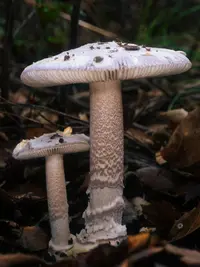
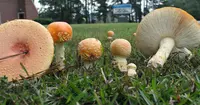
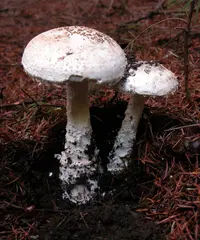
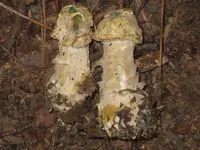
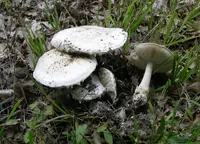
Amanita Mold is the common name for Hypomyces hyalinus, a parasitic fungus that grows over mushrooms in the Amanita group. It is not a typical houseplant or ornamental species but sometimes interests collectors and fungi enthusiasts. This fungus forms a pale, often whitish coating that can distort and cover the host mushroom. It is naturally found in forests where Amanita mushrooms occur, mainly in temperate regions. Because it depends on specific host mushrooms and environmental conditions, it is difficult to cultivate reliably. Anyone trying to care for Amanita Mold should understand that it behaves more like a specialist parasite than an independent plant and is best observed in natural habitats or advanced culture setups.

Main Plant Requirements

Care Difficulty

Hard Care

Light Preference

Partial Shade

Water Requirements

Keep Soil Moist

Temperature Preference

Cool Climate

Hardiness Zone

Unknown

Soil Texture

Loamy, Organic-rich

Soil pH

Acidic (5.5–6.5)

Soil Drainage

Moist but well-drained

Fertilization

Minimal (feed rarely)

Get Personalized Care Plan

Scan your plant to receive care tips personalized for your specific plant

Available on iOS and Android

How to Care for the Amanita Mold

Hypomyces hyalinus depends on its mushroom host and indirect forest light rather than direct sun exposure.

  • Place infected amanita hosts in dappled woodland light with 1–3 hours of weak morning sun and bright shade the rest of the day.
  • Avoid strong midday or afternoon sun, which can dry host mushrooms quickly and shorten the visible life of Amanita Mold structures.
  • In summer, prioritize cool, filtered shade; in spring and fall, slightly brighter but still indirect light supports longer-lasting fruiting.

Water conditions for Hypomyces hyalinus focus on stable, moist forest substrates rather than direct watering of the fungus.

  • Maintain leaf litter or forest soil evenly moist, letting only the top 1–2 cm lose surface sheen before adding water around, not onto, the host mushrooms.
  • Use loose, fast-draining organic material so excess water runs off, reducing standing puddles that cause host mushroom collapse or sour odors.
  • In warm, dry periods, mist or water the surrounding substrate more often; in cool, wet weather, reduce input and monitor for soft, waterlogged caps as a sign of excess moisture.

This fungus develops best under cool to mild woodland temperatures that favor its amanita hosts.

  • Aim for 55–70°F (13–21°C) during active mushroom growth, which supports steady Hypomyces hyalinus colonization and spore production.
  • Protect from frost below 32°F (0°C), as repeated freezing and thawing rapidly destroys host tissue and shortens visible infection.
  • In heat above 80°F (27°C), expect faster drying and shorter mushroom lifespan; partial shade and humid leaf litter help buffer these higher temperatures.

Humidity is not a primary concern for Hypomyces hyalinus, which develops on mushroom hosts rather than in controlled indoor air conditions.

This parasitic fungus develops on Amanita mushrooms, so it is not managed in conventional soil like ornamental plants.

  • Hypomyces hyalinus colonizes living or freshly emerged Amanita fruiting bodies, so attempts to use potting mixes, compost blends, or bark-based substrates are not appropriate.
  • Cultivation depends on maintaining the natural forest floor context where Amanita hosts grow, typically in well-drained, organic-rich, leaf-littered soil around suitable tree partners.
  • Soil management focuses on supporting the ectomycorrhizal trees and Amanita hosts, avoiding compaction, standing water, or heavy disturbance of the leaf litter and upper mineral layer.
  • Attempts at direct Hypomyces hyalinus plant care in trays or pots generally fail because the fungus requires its specific mushroom host rather than a free-living soil phase.

This species is not suitable for container growing because it depends on wild Amanita hosts in soil rather than an independent potted life cycle.

Hypomyces hyalinus grows on host mushrooms and does not respond to typical plant fertilization, so added nutrients are usually unnecessary.

Pruning is not a standard practice for Hypomyces hyalinus, as it is a parasitic fungus on other mushrooms rather than a typical garden plant.

Transplanting Hypomyces hyalinus focuses on moving infected host mushrooms rather than handling it like a potted plant.

  • Shift colonized Amanita caps or fragments onto fresh, suitable host mushrooms when the white mold is well established.
  • Work during mild, stable weather to reduce stress on the host mushrooms and maintain even moisture.
  • Handle host mushrooms gently to avoid bruising and keep them in a shaded, humid environment after transfer.
  • Avoid frequent disturbance; allow time for the fungus to re-establish on new hosts before moving again.

Propagation of Hypomyces hyalinus is specialized and mainly managed by experienced mycologists rather than home growers.

Outdoor Hypomyces hyalinus typically follows the seasonal cycle of its Amanita hosts and needs no dedicated winter care in gardens or natural settings.

Care Tips

Select Suitable Hosts

Encourage this fungus only on non-valuable, already common Amanita species in a controlled area so it does not compromise ecologically important or rare mushrooms nearby.

Use Clean Collection Tools

Disinfect knives, brushes, and containers with 70% isopropyl alcohol before and after handling infected and non-infected mushrooms to limit unwanted spread to areas where the fungus is not desired.

Controlled Inoculation Technique

To grow Hypomyces hyalinus in a specific bed, place naturally infected Amanita caps in direct contact with fresh, healthy caps of the same species for 24–48 hours, then remove the old material and leave the new hosts in place to develop the infection.

Monitor Local Fungal Diversity

Regularly survey nearby mushroom populations during fruiting season and stop moving or concentrating infected material if you notice reductions in Amanita diversity or unusual dieback patterns.

Ethical Disposal Practices

Seal unwanted infected fruiting bodies in bags and send them to landfill rather than composting, especially near natural woodlands, so caring for Amanita Mold does not accidentally alter local fungal communities.

Common Pests and Diseases

Mycophagous mites

These insects feed on fungal tissue and spores on the mushroom surface, causing pitting, discoloration, and reduced vigor of the fungal mat.

Solution

Limit prolonged, stagnant humidity, remove and discard heavily infested fruiting bodies, and use fine mesh or physical barriers to exclude mites from cultivation containers; in more serious cases, introduce predatory mites suitable for fungal cultures and thoroughly clean surrounding equipment and surfaces.

Fungal competitor molds

This disease appears as fast-spreading patches of different-colored mold (often green, gray, or black) that overrun the Hypomyces colony and distort host mushrooms.

Solution

Promptly remove and discard contaminated substrates and fruiting bodies, reduce moisture levels slightly, increase fresh air exchange, and sterilize or pasteurize new substrates and tools before use to give the desired culture a head start over competing molds; avoid overcrowding containers to lower spore buildup.

Bacterial blotch

This disease causes slimy, water-soaked, or greasy patches on the surface of colonized mushrooms and can slow or halt normal fungal growth.

Solution

Improve air movement without causing strong drafts, avoid water droplets standing on the surface of the mushrooms, reduce relative humidity slightly, and remove and discard visibly affected tissue; disinfect work areas and misting equipment regularly to lower bacterial load.

Interesting Facts

Specialist on Amanita

This fungus is a mycoparasite that specifically infects and grows over mushrooms in the genus Amanita, often forming a whitish, felt-like coating on their caps and stems.

Spore‑producing surface

Instead of making its own visible mushroom, it produces its reproductive structures directly on the surface of the infected host, forming a thin, pale layer where its microscopic spores are released.

Effect on host tissues

During infection it penetrates and replaces parts of the host’s outer tissue, which can distort the normal shape and color of the Amanita fruiting body and reduce its ability to release its own spores.

FAQs about Amanita Mold

This fungus is not edible. It parasitizes amanita mushrooms and can distort their appearance and texture. Some infected hosts are poisonous themselves, so foraging or tasting is unsafe and not recommended under any circumstances.

Grow Healthy Plants with Botan Care

Keep your plants happy and healthy with plant identification, disease detection, and easy care guidance.

Botan plant care app — identify plants on mobile

Explore More Plants