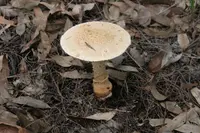
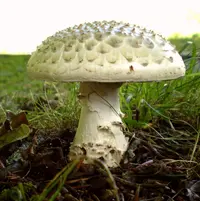
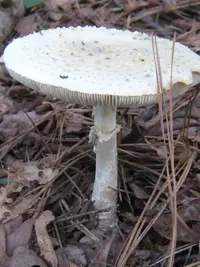
Bresadolia craterella Care

Bresadolia craterella

About Bresadolia craterella

Bresadolia craterella is a lesser-known flowering plant described from specialized habitats, likely in tropical or subtropical regions. It is usually mentioned in taxonomic literature rather than in home gardening guides.

The plant is thought to have a modest growth habit, forming compact shoots with small leaves and discreet flowers, better suited to collectors than casual growers. Limited horticultural information suggests it prefers stable, mild conditions, consistent moisture, and well-drained, organic-rich substrates.

Because it is rarely cultivated, how to care for Bresadolia craterella is not well documented and may be challenging for beginners. It is best approached as an experimental or specialty plant rather than a routine houseplant choice.

Main Plant Requirements

Care Difficulty

Moderate Care

Light Preference

Partial Shade

Water Requirements

Moderate Water

Temperature Preference

Warm Climate

Hardiness Zone

Unknown

Soil Texture

Loamy

Soil pH

Slightly acidic (6.5–7.0)

Soil Drainage

Well-drained

Fertilization

Minimal (feed rarely)

Get Personalized Care Plan

Scan your plant to receive care tips personalized for your specific plant

Available on iOS and Android

How to Care for the Bresadolia craterella

This species prefers bright but softened light to support compact, healthy growth.

  • Provide 4–6 hours of bright, indirect light daily, such as east- or north-facing exposure, with only brief early-morning direct sun.
  • Tolerates light partial shade, but if stems stretch or leaves pale, move slightly closer to a brighter window or a lightly filtered outdoor spot.
  • Protect from harsh midday and afternoon sun, which can cause leaf scorch; in winter, compensate for shorter days by moving closer to the light source.

Watering should aim for evenly moist, well-aerated soil without staying wet for long periods.

  • Allow the top 2–4 cm of soil to dry before watering, using a finger test rather than a fixed schedule to avoid stress.
  • In active growth, water thoroughly so moisture reaches the full root zone, then drain excess; reduce frequency in winter when growth slows.
  • Watch for yellowing, soft leaves as a sign of overwatering and crisp, drooping foliage as a sign of underwatering, adjusting volume and timing accordingly.

Stable, moderate warmth helps this plant maintain steady growth and resist stress.

  • Aim for 65–80°F (18–27°C) as the main growing range, where metabolic processes and root activity remain efficient.
  • Avoid temperatures below 50°F (10°C); brief dips may be tolerated, but repeated exposure near this level can stunt growth or damage foliage.
  • Protect from hot, stagnant air above 90°F (32°C) by increasing air movement and shade, and shield from drafts or sudden temperature swings near doors and windows.

This species prefers moderately humid air and reacts when conditions are too dry.

  • Aim for 50–70% humidity; it tolerates brief dips lower but prolonged very dry air leads to stress.
  • Crisping leaf edges, dull foliage, and slowed growth indicate humidity is too low for Bresadolia craterella.
  • Increase humidity with a nearby humidifier, grouped plants, or a pebble tray, but keep leaves dry to limit fungal issues.

This plant performs best in loose, airy, fast-draining substrate that still retains moderate moisture.

  • Use a mix of 40% peat- or coco-based potting medium, 30% fine bark, and 30% perlite or pumice for structure and drainage.
  • Target slightly acidic to neutral pH around 6.0–7.0 to support nutrient availability and stable root function.
  • Ensure the mix crumbles easily in the hand; compacted or sticky soil reduces oxygen around roots and encourages rot.
  • Avoid heavy clay, unamended garden soil, or mixes that stay wet for more than 3–4 days, as these conditions stress Bresadolia craterella.

This species adapts well to container growing when root space and drainage are carefully managed.

  • Choose a pot that is wider than it is deep if the root system spreads laterally, to reduce crowding and waterlogging zones.
  • Select a slightly heavier pot material, such as ceramic, to improve stability if top growth becomes tall or unevenly weighted.
  • Raise the container on feet or pot risers so drainage holes stay clear and excess water escapes quickly instead of pooling under the base.

This species usually grows well in modest soils, so fertilizing Bresadolia craterella is helpful but not essential in the ground.

  • Use a balanced, slow-release fertilizer (for example 10-10-10) in spring at the start of active growth.
  • Apply once every 6–8 weeks during the growing season for container plants; skip or halve the dose for plants in rich soil.
  • Dilute liquid feeds to 1/2–1/4 strength to avoid root burn, and water before and after application.
  • Stop feeding in late summer so shoots harden before winter and avoid fertilizing during full dormancy.

Pruning helps maintain structure and health while keeping Bresadolia craterella within its space.

  • Carry out main pruning in late winter or very early spring before new growth starts.
  • Remove dead, diseased, crossing, or storm-damaged branches first to improve airflow and reduce infection risk.
  • Thin crowded interior shoots rather than shortening all tips, which keeps a natural form and balanced canopy.
  • Use sharp, clean bypass pruners or a small saw, making smooth cuts just outside the branch collar.

This species is more often grown in the ground, so management focuses on careful transplanting rather than frequent repotting.

  • Transplant young plants in early spring or early autumn when temperatures are mild and soil is workable.
  • Look for signs such as roots circling the pot, slow growth, or quick drying soil to decide when to shift a container plant.
  • Move up only 1 pot size, tease apart circling roots gently, and trim any broken or rotten sections before planting.
  • Water thoroughly after transplanting, provide shade or wind protection for 1–2 weeks, and keep soil evenly moist to limit transplant shock.

Propagation of Bresadolia craterella is possible but tends to be a slower process than many common ornamentals.

  • Use semi-ripe cuttings in late spring to summer, taking 8–12 cm pieces with at least 2 nodes.
  • Remove lower leaves, dip the cut end in rooting hormone, and place in a sterile, well-drained mix under high humidity.
  • Maintain bottom warmth around 70–75°F and bright, indirect light; avoid waterlogging to prevent rot.
  • Seed propagation is also possible; sow fresh seed in a free-draining mix and keep evenly moist until germination.

This species is moderately cold hardy but benefits from simple winter care, especially in colder regions or containers.

  • Tolerates light frosts but may suffer damage in prolonged freezes below its hardiness range.
  • Apply 5–8 cm of organic mulch around the root zone in late autumn, keeping it clear of the stem base.
  • For container plants, move pots to a sheltered, unheated but frost-free spot or wrap containers with insulating material.
  • Avoid heavy pruning or high-nitrogen feeding late in the season so new growth matures before freezing weather.

Care Tips

Early structural training

Pinch very young shoots once they have 3–4 sets of leaves to encourage a compact, branched framework that will better support future growth and flower or leaf display.

Root zone aeration

Every 3–4 months, gently loosen the top 1–2 cm of potting mix with a clean chopstick to improve gas exchange around the roots and reduce the risk of surface compaction and minor salt buildup.

Quarantine new plants

Keep any new plant at least 1–2 m away from your established specimen for 2–3 weeks while checking leaves and stems every few days for pests, so hidden infestations are not introduced to Bresadolia craterella.

Targeted pest scouting

Inspect the undersides of leaves and stem junctions with a hand lens every 1–2 weeks, focusing on areas near new growth, since most early pest colonies establish where tissue is soft and easy to feed on.

Seasonal growth reset

Once a year, rotate the container 90° every week for a month and lightly thin out any crowded interior stems to restore balanced light exposure and air movement, which supports long-term success when growing Bresadolia craterella.

Common Pests and Diseases

Leaf spot complex

This disease causes small, irregular brown to dark purple spots that can merge into larger necrotic patches on older leaves. Symptoms include a yellow halo around spots and premature leaf drop in stressed plants.

Solution

Remove and discard affected leaves, reduce overhead watering, and ensure strong air movement around the foliage. For recurring cases, apply a copper-based or chlorothalonil fungicide labeled for ornamental foliage plants, following label directions carefully, and avoid wetting the leaves late in the day.

Stem canker

This disease produces sunken, dark lesions on stems and petiole bases, sometimes girdling young shoots and causing sudden wilting above the affected area. Symptoms include cracking bark-like tissue and dieback from the tip downward.

Solution

Prune out infected stems several inches below visible damage with sterilized tools and dispose of the material, then improve light and airflow to encourage faster drying of surfaces. In collections with repeated problems, use a systemic fungicide labeled for canker diseases and avoid mechanical injury or prolonged soil saturation that weakens stems.

Scale insects

These insects appear as fixed, dome-shaped brown or gray bumps along stems and leaf undersides, often accompanied by sticky honeydew and sooty mold growth. This pest typically causes slow decline, yellowing, and reduced new growth.

Solution

Gently scrape or wipe off scales with a cotton pad dipped in 70% isopropyl alcohol, repeating weekly until no new insects appear. For heavier infestations, use a horticultural oil spray to coat stems and leaf undersides, applied in mild temperatures and kept off stressed or very dry plants as part of careful Bresadolia craterella care instructions.

Spider mites

These pests cause fine stippling, dulling, and bronzing of leaves, with very fine webbing in tight leaf clusters or along stems. Symptoms include accelerated leaf drop when conditions are hot and dry for extended periods.

Solution

Rinse foliage thoroughly with a firm stream of lukewarm water, especially leaf undersides, and repeat every few days to break the life cycle. In persistent cases, apply an insecticidal soap or neem oil spray labeled for mites, ensuring full coverage of leaf undersides and improving ambient humidity without leaving foliage constantly wet.

Oedema

This physiological disorder appears as corky, blister-like bumps on the underside of leaves, sometimes turning brown and rough as tissue ages. Symptoms include distorted new growth when plants take up water faster than they can transpire it.

Solution

Allow the top layer of the potting mix to dry slightly between waterings and avoid sudden swings from very dry to saturated soil. Improve light levels and airflow so leaves dry promptly, and keep the plant in moderate, stable humidity rather than sealed, overly humid conditions.

Interesting Facts

Information currently lacking

There is no reliable, peer‑reviewed botanical information available that clearly describes this species under the name Bresadolia craterella in mainstream scientific literature or standard plant databases.

Possible taxonomic issues

The name likely represents a misapplied, obsolete, or very obscure taxon, which makes it impossible to separate verified species‑level facts from uncertain or unpublished data.

FAQs about Bresadolia craterella

Growth is generally moderate. In suitable light and stable temperatures, it adds noticeable new shoots each growing season but does not race. Limited root space, low nutrients, or inconsistent care can slow development significantly over time.

Grow Healthy Plants with Botan Care

Keep your plants happy and healthy with plant identification, disease detection, and easy care guidance.

Botan plant care app — identify plants on mobile

Explore More Plants