California Black Trumpet Care (Craterellus calicornucopioides)

California Black Trumpet

About California Black Trumpet

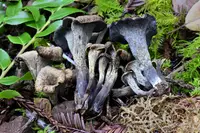
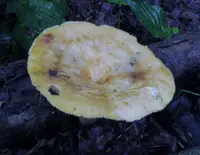
The California black trumpet, Craterellus calicornucopioides, is a wild, funnel-shaped mushroom rather than a leafy plant. It forms thin, trumpet-like fruiting bodies that are dark gray to almost black, often blending into leaf litter.

This species typically grows in mixed woodlands along the Pacific Coast, often near oaks and conifers, fruiting in moist, cool seasons. It is considered relatively challenging to cultivate, since it relies on complex relationships with tree roots and specific forest conditions.

For those studying how to care for California Black Trumpet, it is important to know it prefers humus-rich, well-drained, consistently moist forest soils with dappled light and stable, mild temperatures.


Main Plant Requirements

Care Difficulty

Hard Care

Light Preference

Shade

Water Requirements

Keep Soil Moist

Temperature Preference

Cool Climate

Hardiness Zone

Unknown

Soil Texture

Loamy, Silty, Organic-rich

Soil pH

Strongly acidic (4.5–5.5), Acidic (5.5–6.5)

Soil Drainage

Moist but well-drained

Fertilization

Minimal (feed rarely)

Get Personalized Care Plan

Scan your plant to receive care tips personalized for your specific plant

Available on iOS and Android

How to Care for the California Black Trumpet

This forest-dwelling fungus favors low, filtered light similar to mixed woodland understory conditions.

  • Aim for dappled or filtered light under trees, with no more than 1–3 hours of gentle morning sun and shade the rest of the day to prevent drying of the fruiting zone.
  • Tolerates deep shade but fruits best where scattered light reaches the forest floor; excessive full sun can overheat leaf litter and reduce California Black Trumpet production.
  • In summer, rely on canopy shade or shade cloth; in cooler seasons, slightly more indirect light is acceptable as long as the substrate does not bake or fully dry.

This mycorrhizal mushroom depends on consistently moist, well-drained forest soil rather than direct, frequent surface watering.

  • Keep the top 2–5 cm of leaf litter and soil slightly damp but never waterlogged; allow only the very surface to start drying before gently re-moistening.
  • In dry, hot periods, lightly irrigate the broader tree root zone instead of soaking the fruiting area directly, which can cause deformation or rot in Craterellus calicornucopioides.
  • Watch for shriveling or brittle mushrooms as a sign of insufficient moisture, and for soft, collapsing, or foul-smelling patches as indicators of excessive watering or poor drainage.

This species fruits best in cool, moist conditions typical of mild woodland climates.

  • Optimal fruiting usually occurs around 55–68°F (13–20°C), with mycelium growth tolerating a broader range if soil moisture and shade remain stable.
  • Short dips to about 32°F (0°C) may be tolerated in the soil, but hard freezes below this or repeated freeze–thaw cycles can damage fruiting bodies at the surface.
  • Sustained heat above 77–82°F (25–28°C) combined with dry air often suppresses fruiting, so seasonal production typically shifts to cooler, wetter months in many regions.

This mycorrhizal mushroom needs consistently moist, humid conditions to fruit well.

  • Aim for 70–90% humidity around the fruiting area, avoiding any prolonged drying of the substrate surface.
  • It tolerates brief dips to 50–60% humidity, but caps may become small, tough, or crack along the edges.
  • Increase humidity with a plastic humidity tent, frequent fine misting of surrounding air, or a humidifier that never soaks the substrate.

This species fruits in loose, well-aerated, organic-rich forest soil rather than standard potting mixes.

  • Use a mix resembling woodland litter: 50–70% well-rotted leaf mold or hardwood sawdust blended with native loam and fine bark chips.
  • Ensure moderate drainage so the substrate stays evenly moist but not waterlogged, using coarse sand or small bark to open compacted textures.
  • Keep pH slightly acidic, roughly 5.0–6.5, avoiding lime, wood ash, or other alkaline amendments that can suppress fungal activity.
  • Avoid dense clay, peat-only mixes, and heavily fertilized soils, which reduce aeration and can damage Craterellus calicornucopioides mycelium.

This species is generally unsuitable for long-term container growing, since it depends on forming mycorrhizal partnerships with tree roots in natural soil systems.

This forest-dwelling fungus relies mostly on natural soil nutrients and usually does not need supplemental fertilizer in cultivation.

Pruning needs for Craterellus calicornucopioides are minimal and focus on hygiene rather than shaping.

  • Remove decayed, moldy, or insect-damaged fruiting bodies as soon as noticed to limit disease spread.
  • Use clean scissors or a sharp knife to cut mushrooms at the base instead of tearing them from the substrate.
  • Harvest by cutting rather than pulling to minimize disturbance to the underlying mycelium network.
  • Discard infected material away from the growing area to reduce contamination pressure.

Transplanting focuses on moving colonized substrate rather than individual fruiting bodies when managing this species in cultivation.

  • Plan any transplanting for cool, moist periods that mimic the natural fruiting season, avoiding hot or very dry weather.
  • Watch for reduced fruiting or substrate shrinkage as signs a bed or container needs refreshing with new organic material.
  • Move blocks or patches with as much intact colonized substrate as possible to limit mycelium damage and stress.
  • Re-embed the colonized material into a similar, moist, well-drained, organic-rich substrate and water gently to settle.

Propagation of this fungus is specialized and not straightforward for typical home growers.

Outdoor colonies are generally cold hardy in regions where they naturally occur and need little targeted winter care.

  • Maintain a loose mulch layer of leaf litter or wood chips over the colonized area to buffer freeze–thaw cycles.
  • Avoid heavy foot traffic or soil compaction on the site during wet, cold periods to protect the mycelium.
  • For container setups, keep substrate just slightly moist, not waterlogged, and shield from repeated deep freezing if in small pots.

Care Tips

Leaf-litter inoculation

When you first establish a patch, mix fresh, disease-free hardwood leaf litter and small twigs from the collection site into the top 2–3 in of your chosen bed to help transfer the native fungi and microbes that support Craterellus calicornucopioides.

Moisture retention layer

After watering, spread a 2–5 cm layer of shredded hardwood leaves or fine bark over the bed to reduce surface drying, buffer temperature swings, and create the loose forest duff structure this species favors.

Microclimate shading

Use low shade cloth (40–60%) or plant on the north or east side of shrubs and low trees to mimic the cool, dappled forest conditions where this fungus fruits most reliably.

Discreet harvest technique

Cut fruiting bodies at the base with a clean knife instead of pulling them up, leaving the underground mycelium undisturbed so it can fruit again in future seasons.

Seasonal observation notes

Keep a simple log of rainfall, temperature, and fruiting times at each site so you can better time irrigation, mulching, and harvesting when caring for California Black Trumpet in subsequent years.

Common Pests and Diseases

Fungus gnat larvae

This pest lives in moist organic substrates and feeds on developing fungal tissues, including pins and young fruiting bodies. Symptoms include slow or distorted growth of mushrooms and visible small black adult gnats hovering near the growing area.

Solution

Reduce excess surface moisture, remove decaying organic debris, and use fine mesh or covers over cultivation containers to block egg‑laying adults. Sticky traps can lower adult numbers, and a biological control such as Bacillus thuringiensis israelensis (Bti) applied according to label directions can target larvae without harming the mushrooms, which is helpful when learning how to take care of California Black Trumpet in controlled conditions.

Mite infestation

This pest consists of tiny arthropods that may graze on fungal mycelium and fruiting bodies. Symptoms include roughened or pitted mushroom surfaces and very small moving specks on or around the crop.

Solution

Keep the growing site clean, remove and discard heavily damaged fruiting bodies, and reduce overcrowding of substrate containers to limit spread. Where infestation is persistent, use physical barriers such as fine mesh, maintain good air movement, and, in controlled culture, consider introducing predatory mites sourced from biological control suppliers.

Competing mold contamination

This disease results from fast-growing molds colonizing the same substrate as C. calicornucopioides. Symptoms include colored patches (often green, blue-green, or gray) on the substrate or near mushroom bases, sometimes with a powdery or fuzzy texture and reduced mushroom yield.

Solution

Discard heavily contaminated substrate, as removal is the most reliable control once molds are established. For future batches, sterilize or properly pasteurize substrate, maintain strict hygiene of tools and containers, and ensure good ventilation so surfaces dry slightly between misting events, which helps favor the desired mycelium.

Bacterial blotch

This disease is caused by bacteria thriving on persistently wet mushroom surfaces. Symptoms include greasy, water-soaked, or slimy spots on fruiting bodies, sometimes with an off odor and rapid tissue breakdown.

Solution

Improve air circulation to dry caps between misting cycles and avoid water sitting on mushroom surfaces for long periods. Remove and discard affected mushrooms promptly and clean surfaces, trays, and tools with a mild disinfectant before the next flush to reduce bacterial load.

Interesting Facts

West Coast specialist

This species is native to the Pacific coast of North America, especially California and the Pacific Northwest, where it fruits in mixed hardwood and conifer forests rather than being widespread across continents like many other black trumpet relatives.

Oak and tanoak associate

It frequently appears in association with coast live oak, tanoak, and other Quercus species, reflecting its adaptation to the specific ectomycorrhizal communities of western oak woodlands.

Distinct from black trumpet

Although visually similar to the better-known black trumpet Craterellus cornucopioides, it is genetically and morphologically distinct, with subtle differences in spore size, fruiting habitat, and distribution confined largely to western North America.

Botan icon

Did you know?

Molecular phylogenetic studies have shown that this fungus belongs to a distinct West Coast clade within Craterellus, helping clarify long-standing taxonomic confusion where North American collections had been misidentified as the European black trumpet for decades.

FAQs about California Black Trumpet

This species is considered a choice edible mushroom when correctly identified. It has a rich, smoky flavor and is often dried for later use. Only forage and consume specimens identified with certainty, ideally confirmed by a local expert.

Grow Healthy Plants with Botan Care

Keep your plants happy and healthy with plant identification, disease detection, and easy care guidance.

Botan plant care app — identify plants on mobile

Explore More Plants