amberique-bean Care (Strophostyles helvola)

Also known as: trailing fuzzy-bean, trailing wild bean, annual woollybean
amberique-bean

About amberique-bean

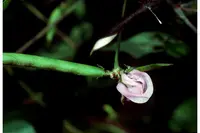
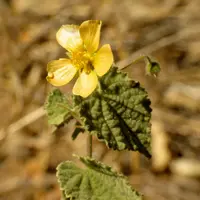
Amberique-bean, Strophostyles helvola, is a twining perennial vine in the pea family, native to prairies, dunes, open woods, and disturbed sites across eastern and central North America. It often scrambles through grasses or along fences, with slender stems, trifoliate leaves, and small pink to purplish pea-like flowers followed by narrow pods.

This species is adapted to sandy or well-drained soils and tolerates heat, drought, and nutrient-poor conditions, which can make it relatively undemanding once established. It suits naturalistic plantings, restoration projects, and wildlife gardens where its modest size and nitrogen-fixing roots support local ecosystems.

Gardeners who want to care for amberique-bean should provide sun, good drainage, and space to climb or sprawl, while accepting its naturally informal growth habit.

Main Plant Requirements

Care Difficulty

Easy Care

Light Preference

Full Sun

Water Requirements

Moderate Water

Temperature Preference

Cold Hardy

Hardiness Zone

4–9

Soil Texture

Sandy, Loamy, Silty

Soil pH

Slightly acidic (6.5–7.0), Neutral (7.0)

Soil Drainage

Well-drained

Fertilization

Minimal (feed rarely)

Get Personalized Care Plan

Scan your plant to receive care tips personalized for your specific plant

Available on iOS and Android

How to Care for the amberique-bean

This North American vine prefers bright outdoor light that mimics open, sunny habitats.

  • Provide 6–8 hours of direct sun, with morning sun and light afternoon shade ideal, especially in hotter regions.
  • Tolerates light or dappled shade for part of the day, but flowering and pod set in amberique-bean decrease if it receives less than 4–5 hours of direct sun.
  • In hot summers, protect from intense late-afternoon sun to reduce leaf scorch and moisture stress, especially in dry or exposed sites.

This species prefers evenly moist but well-drained soil and tolerates short dry spells once established.

  • Before watering, let the top 3–5 cm of soil dry; soil should feel dry on top but still slightly moist deeper down.
  • Increase watering during active growth and flowering, watching for dull, folding leaves as a sign the plant needs water; reduce watering during cooler or dormant periods.
  • Ensure soil drains freely to prevent waterlogging, which can cause yellowing leaves, soft stems, and root rot, especially in heavy or compacted soils.

This warm-season annual grows best in moderate to hot conditions and is sensitive to frost.

  • Optimal growth occurs around 70–85°F (21–29°C), with vigorous vining and flowering in consistently warm weather.
  • Tolerates summer heat up to about 95°F (35°C) if soil moisture is maintained, but prolonged hotter periods can slow growth and stress the plant.
  • Frost is usually fatal; seeds germinate once spring temperatures stay above about 55°F (13°C), and plants decline when night temperatures drop near 40°F (4°C).

This species handles a wide humidity range and usually needs no special humidity control outdoors or in typical homes.

  • Target 30–60% relative humidity; levels within this band are suitable for most amberique-bean plants.
  • Dry indoor air above heating vents can crisp leaf edges and increase leaf drop, especially in young plants.
  • If foliage shows repeated marginal browning, move the plant away from hot, dry airflow and group it with other plants to slightly raise local humidity.

Strophostyles helvola prefers loose, well-drained soils that do not stay waterlogged.

  • Use a sandy or sandy-loam mix with 30–40% coarse sand plus 20–30% compost to provide both drainage and moderate fertility.
  • Aim for slightly acidic to neutral pH, around 6.0–7.0, which supports nutrient uptake and healthy root growth.
  • Mix in perlite or fine gravel (10–20%) to improve aeration, especially in heavier native soils or compacted garden beds.
  • Avoid dense clay, poorly drained low spots, or soils enriched with excessive manure, which encourage root rot and rank, weak growth.

This species can be grown in containers if given ample root space and secure support for its twining vines.

  • Choose a deep, relatively narrow pot (at least 25–30 cm tall) to accommodate its taproot and reduce lateral circling of roots.
  • Use a heavier material such as terracotta or ceramic when placing the pot outdoors so wind and vine weight do not tip it over.
  • Install a trellis, fence panel, or strings directly in the pot at planting time so young vines can attach early and distribute weight evenly.

Strophostyles helvola, often called amberique-bean, usually needs minimal fertilization in average to lean soils.

  • In very poor soils, apply a light top-dressing of compost in early spring to support initial growth.
  • If using fertilizer, choose a balanced, low-strength NPK product diluted to 25–50% label rate.
  • Feed only during active growth in spring–summer, no more than every 4–6 weeks.
  • Stop fertilizing in late summer so plants can harden growth before cold weather.

Pruning Strophostyles helvola is mainly about keeping the vine manageable and healthy.

  • Cut back dead, damaged, or diseased stems whenever noticed, using clean, sharp pruners or scissors.
  • In late spring or early summer, thin crowded or tangled vines to improve air flow and reduce fungal issues.
  • Lightly shorten overly long runners to control spread and direct growth along supports.
  • Avoid very hard cutting during peak flowering, as this can reduce blooms.

This species is more often direct-sown or field-grown, so care focuses on gentle transplanting rather than frequent repotting.

  • Transplant young plants in spring after frost once seedlings have several true leaves and steady growth.
  • Look for roots circling the pot drainage holes or stalled top growth as signs container plants need a larger pot or ground planting.
  • Move into a container 1–2 in wider or a loose, well-drained garden bed, disturbing roots as little as possible.
  • Water thoroughly after transplanting, then keep soil evenly moist and shaded for 2–3 days to limit transplant shock.

Strophostyles helvola is most commonly propagated from seed for restoration or ornamental vine use.

  • Sow seeds in spring after frost, either directly outdoors or in small pots under bright, warm conditions.
  • Use a well-drained mix, keep soil lightly moist, and aim for 65–75°F to support steady germination.
  • Lightly scarify hard seed coats with sandpaper if germination is slow or uneven.
  • Transplant seedlings once they have several true leaves, handling roots gently to avoid damage.

This warm-season annual vine generally dies back with hard frost and needs limited winter care.

  • In cold climates, allow top growth to wither naturally after frost, then remove dead vines to reduce disease carryover.
  • Mulch the soil surface lightly if self-seeding is desired, leaving some pods to drop seed.
  • For container plants, collect mature seed before freeze, then discard spent plants and store seed dry for next season.

Care Tips

Use Light Trellis

Provide a low, open trellis or mesh fence so vines can climb loosely, which improves airflow around foliage and reduces foliar disease pressure in humid weather.

Encourage Root Depth

During early establishment, water less frequently but more deeply so roots grow down rather than staying near the surface, which makes plants more resilient to short dry spells.

Targeted Inoculation

Dust seeds or lightly coat roots at planting with a legume-specific rhizobium inoculant to enhance nitrogen fixation and reduce the need for supplemental nitrogen fertilizer.

Timed Cutting Back

If vines become overly dense or sprawl into paths, cut back part of the growth after the first main flush of pods to stimulate new flowering stems without shocking the entire plant.

Monitor Pod Maturity

For seed collection, check pods frequently and harvest as they turn tan and begin to dry but before they split open, then finish drying them in a breathable paper bag in a shaded, airy place when growing amberique-bean.

Common Pests and Diseases

Bean leaf beetles

This pest commonly feeds on foliage and pods, leaving small round holes and sometimes scarring on seed pods. Symptoms include skeletonized leaf areas and reduced vigor in heavily infested plants.

Solution

Hand-pick beetles where practical and remove plant debris that can shelter overwintering adults. In field or large plantings, use floating row covers early in the season and consider spot treatments with a labeled insecticidal soap or pyrethrin product, applying in the evening to limit impact on pollinators.

Mexican bean beetles

These insects feed on the undersides of leaves, causing a lace-like or skeletonized appearance and bronzing of foliage. Heavy feeding can slow growth and reduce flowering and seed set.

Solution

Inspect leaf undersides regularly, crush yellow egg clusters, and remove heavily infested leaves. Encourage natural enemies such as parasitic wasps, and in small plantings use row covers or targeted applications of neem oil or insecticidal soap, making sure to coat the leaf undersides.

Fusarium root and stem rot

This disease is caused by soilborne Fusarium fungi and leads to stunted growth, yellowing foliage, and brown to reddish lesions at the stem base and roots. Symptoms include wilting during hot parts of the day and poor stand in young plants.

Solution

Use well-drained soils or raised beds, avoid overwatering, and rotate away from legumes for at least 3–4 years in affected ground. Remove and dispose of severely affected plants and plant residues, and avoid working in wet soil to reduce spread of contaminated particles.

Bacterial blight

This disease produces water-soaked spots on leaves that enlarge into brown lesions with yellow halos, often starting on lower foliage after rain or overhead irrigation. Symptoms include leaf edge burn, premature leaf drop, and in severe cases, blackened pods.

Solution

Avoid overhead watering, especially in the evening, and increase plant spacing to improve air movement and leaf drying. Remove and discard infected leaves, avoid working among plants when they are wet, and rotate out of legume plantings for several years where blight has been a problem.

Bean rust

This disease causes small, raised pustules that are orange to brown on leaves, stems, and pods, often surrounded by yellow tissue. Symptoms include premature leaf drop and reduced vigor when infections are heavy.

Solution

Promote good airflow with adequate spacing and reduce leaf wetness by watering at soil level. Remove and destroy heavily infected leaves or plants, clean up all plant debris at the end of the season, and avoid planting susceptible legumes in the same location in consecutive years to limit spore buildup.

Interesting Facts

North American beach native

This species is naturally distributed along sandy riverbanks and coastal dunes in eastern and central North America, where it helps stabilize loose, shifting substrates with its twining, fibrous roots.

Seeds adapted for water

Its seeds often retain parts of the pod and hairs that increase buoyancy, allowing them to disperse by water along rivers and shorelines and colonize new sandy habitats.

Nitrogen-fixing dune legume

Like many legumes, it forms root nodules with nitrogen-fixing bacteria, enriching poor sandy soils and supporting plant communities in nutrient-limited coastal and riverside environments.

Botan icon

Did you know?

This species shows notable seed coat color variation, from pale to dark tones, which has been used by botanists to distinguish it from closely related Strophostyles species in ecological and taxonomic studies.

FAQs about amberique-bean

This species is a short-lived perennial in much of its native range, but may behave as an annual in colder climates where winter kills top growth. It often regenerates from seed, so it can appear annual in gardens.

Grow Healthy Plants with Botan Care

Keep your plants happy and healthy with plant identification, disease detection, and easy care guidance.

Botan plant care app — identify plants on mobile

Explore More Plants