Veiled Poisonpie Care (Hebeloma mesophaeum)

Veiled Poisonpie

About Veiled Poisonpie

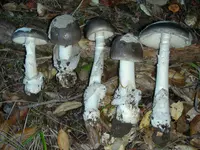
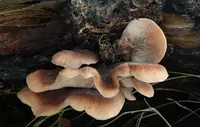
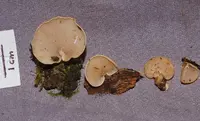
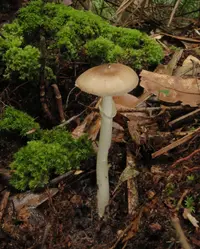
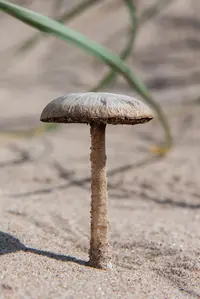
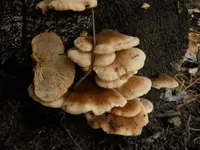
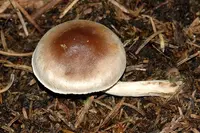
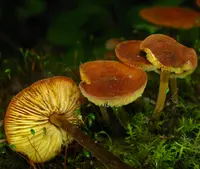
Hebeloma mesophaeum, commonly called veiled poisonpie, is a small to medium gilled fungus rather than a traditional foliage plant. It forms slender, pale to brownish caps with a darker center, usually growing in groups on soil or among grass.

This mushroom is native to temperate regions and often appears in parks, lawns, and woodland edges, especially near conifers and disturbed ground. It is considered inedible and potentially poisonous, so any attempt to care for Veiled Poisonpie is mainly for observation, not for consumption.

It tends to fruit in cool, moist conditions and prefers organic-rich, well-drained soil. Cultivating it intentionally is difficult, as it depends on complex relationships with nearby plants and soil fungi.

Main Plant Requirements

Care Difficulty

Hard Care

Light Preference

Partial Shade

Water Requirements

Keep Soil Moist

Temperature Preference

Cool Climate

Hardiness Zone

Unknown

Soil Texture

Loamy, Silty, Organic-rich

Soil pH

Acidic (5.5–6.5), Slightly acidic (6.5–7.0)

Soil Drainage

Moist but well-drained

Fertilization

Minimal (feed rarely)

Get Personalized Care Plan

Scan your plant to receive care tips personalized for your specific plant

Available on iOS and Android

How to Care for the Veiled Poisonpie

This woodland fungus prefers soft, indirect light similar to a lightly shaded forest floor.

  • Provide dappled shade or light filtered sun, with 2–4 hours of weak morning sun and no harsh afternoon sun, to mimic conditions Veiled Poisonpie experiences under trees.
  • Site it where it receives bright shade under deciduous shrubs or trees; avoid open, exposed positions that receive more than 4–5 hours of direct summer sun.
  • In summer, protect from strong midday light to prevent substrate drying; in autumn, slightly more open light is acceptable as the sun angle lowers.

This species needs consistently moist, not waterlogged, soil to fruit and persist.

  • Maintain evenly moist ground, letting only the top 2–3 cm of soil start to feel slightly dry before rewatering or allowing natural rainfall to replenish moisture.
  • Use soil with very good drainage and plenty of organic matter; standing water, sour odors, or slimy mycelium indicate overwatering and poor aeration.
  • In hot, dry weather, increase monitoring, watching for cracked soil or shrinking caps as signs of moisture stress, while reducing added water during cool, rainy periods.

This fungus thrives in cool to mild conditions typical of temperate woodlands.

  • Optimal fruiting usually occurs around 50–65°F (10–18°C), with mycelium growth tolerating roughly 40–70°F (4–21°C) in the soil.
  • It copes with light frosts down to about 28°F (-2°C), but extended freezes below this can damage mycelium, especially in shallow, exposed soil.
  • In hotter spells above 77°F (25°C), shade and steady soil moisture become critical, as high temperatures and dry conditions can halt fruiting and desiccate caps.

Humidity is not a primary factor for Hebeloma mesophaeum, which behaves like most temperate woodland mushrooms in outdoor conditions.

This fungus relies on a suitable outdoor soil environment to form mycorrhizal associations with nearby plants.

  • Favor moderately moist, well-drained, loamy to sandy mineral soils enriched with leaf litter or other decomposed organic matter.
  • Aim for a slightly acidic to neutral pH around 5.5–7.0, as strongly alkaline or saline soils can reduce fruiting.
  • In compact or heavy clay sites, incorporate coarse sand and fine gravel to improve aeration and prevent standing surface water.
  • Avoid sterile potting substrates, peat-only mixes, or heavily fertilized garden beds, which disrupt the natural soil community it depends on.

This species is not suitable for container growing, as it requires complex outdoor soil and root associations that are difficult to reproduce in pots.

This wild ectomycorrhizal fungus generally requires no fertilizer when grown in soil with its tree hosts.

Pruning is not a standard practice for Hebeloma mesophaeum, as the fruiting bodies are temporary and naturally short-lived.

Transplanting focuses on moving associated host trees or soil rather than the delicate fungal fruiting bodies.

  • Transplant in cool, moist weather to limit stress on both host roots and fungal mycelium.
  • Look for signs like poor mushroom production or disturbed soil before shifting a colonized area.
  • Move intact soil blocks with minimal disturbance, keeping root systems and surrounding substrate together.
  • Water gently after transplanting and shade the area to maintain even moisture while the fungus re-establishes.

Propagation of Hebeloma mesophaeum is specialized and not typically performed by home growers, so it is usually left to natural spore spread and root association.

This species is naturally cold hardy in temperate climates and usually needs no special winter care when left in the ground near its tree partners.

Care Tips

Spore Print Monitoring

Take regular spore prints on white and dark paper from mature caps to monitor color and density, which helps verify correct identification and indicates whether your fruiting conditions are stable over time.

Patch Rotation Strategy

Rotate inoculated substrate patches every 2–3 years in the same outdoor area to reduce pathogen buildup and maintain vigorous mycelial growth while still allowing existing colonies to fruit naturally.

Minimal Disturbance Harvest

When harvesting, cut fruiting bodies at the base with a clean knife instead of pulling them up, to avoid damaging the underlying mycelium and to support consistent fruiting in subsequent flushes.

Targeted Debris Management

Maintain a thin, even layer of leaf litter or fine wood debris over the colonized soil to keep the microclimate stable, but periodically remove thick clumps that trap excess moisture and encourage mold rather than mushrooms.

Site Hygiene Practices

Disinfect tools and containers with 70% isopropyl alcohol before handling colonized substrate, and remove obviously contaminated patches promptly, which lowers competition from molds and bacteria when growing Veiled Poisonpie outdoors.

Common Pests and Diseases

Fungal parasitism

This disease affects basidiomata (fruiting bodies), causing distorted caps, poor spore production, and premature collapse in nutrient-poor or contaminated soils. Symptoms include patchy, irregular growth and rapid decay of the mushrooms on site.

Solution

Remove and dispose of malformed or collapsing fruiting bodies and avoid disturbing contaminated soil. Improve site hygiene, limit organic waste buildup, and if cultivating, rotate fruiting sites and avoid reusing heavily colonized casing or substrate to reduce competing fungi.

Soil nematode damage

These microscopic roundworms feed on fine mycelial threads and root-associated structures, leading to weak, sparse, or patchy fruiting in areas where the fungus previously fruited well. Symptoms include reduced mushroom numbers and uneven distribution in small rings or gaps.

Solution

If growing Veiled Poisonpie in a managed bed, remove and replace heavily affected substrate and avoid overworking or compacting wet soil. Incorporate clean, well-drained, low-salt material and, where allowed, rest the site from use for at least 1–2 seasons so nematode populations can decline naturally.

Bacterial blotch

This disease causes water-soaked, greasy-looking spots on caps and stems that turn yellow-brown, often during cool, wet weather or prolonged surface moisture. Symptoms include slimy patches and a sour odor on affected basidiomata.

Solution

Harvest and discard affected mushrooms and avoid overhead watering or prolonged wetting of caps in cultivated settings. Improve air movement across the site, space fruiting bodies where possible, and water soil or substrate directly rather than wetting the fruiting surfaces.

Slug and snail feeding

These mollusks chew irregular holes in caps and gills, often overnight, and can consume small basidiomata completely in damp conditions. Symptoms include ragged edges, slime trails, and missing portions of young fruiting bodies.

Solution

Hand-remove slugs and snails during cool evening or early morning periods and use physical barriers such as copper bands or sharp mineral grit around small cultivation beds. Keep surrounding vegetation and debris tidy to reduce hiding places and, if needed, use iron phosphate bait products labeled as safe for gardens, following label directions.

Interesting Facts

Variable stem ring

This species often shows a faint, fragile ring zone on the stem where the partial veil once attached, but the ring can be so indistinct that it sometimes appears absent, which is one reason field identification is difficult.

Cold-tolerant fruiting

It commonly fruits in late autumn and even into early winter in temperate regions, producing mushrooms at relatively low temperatures when many other fungi have already finished their season.

Ammonia reaction cap

Application of household ammonia to the cap surface can cause a noticeable color change in this species, a chemical reaction that mycologists sometimes use as a supporting identification character.

Botan icon

Did you know?

Molecular studies have shown that populations once all called Hebeloma mesophaeum actually include several closely related but distinct species, which has led to ongoing taxonomic revision and means that many older field records may not refer to the same fungus in the modern sense.

FAQs about Veiled Poisonpie

This mushroom is regarded as inedible and potentially poisonous. It contains gastrointestinal irritants that may cause nausea, vomiting, abdominal pain, and diarrhea. It should never be eaten or taste-tested, even in small amounts or when misidentified.

Grow Healthy Plants with Botan Care

Keep your plants happy and healthy with plant identification, disease detection, and easy care guidance.

Botan plant care app — identify plants on mobile

Explore More Plants