Xeromphalina tenuipes Care

Xeromphalina tenuipes

About Xeromphalina tenuipes

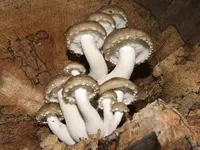
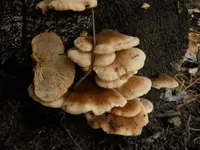
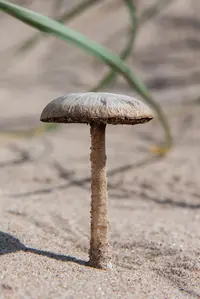
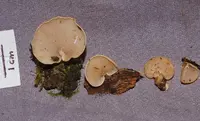
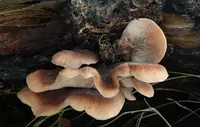
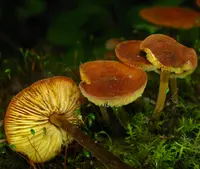
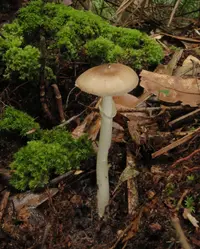
Xeromphalina tenuipes is a small, wood-inhabiting mushroom rather than a traditional leafy houseplant. It typically forms dense clusters of tiny, orange to yellow caps on decaying wood, with slender, tough stems. In nature it is found on rotting logs, stumps, and woody debris in forests, often in moist, shaded sites.

This fungus plays a role in breaking down dead wood and recycling nutrients in woodland ecosystems. It is considered a specialist of damp, well-rotted substrates, so attempts to grow or care for Xeromphalina tenuipes at home are uncommon and can be challenging without controlled, high-humidity and consistently cool, shaded conditions.

Main Plant Requirements

Care Difficulty

Hard Care

Light Preference

Shade

Water Requirements

Keep Soil Moist

Temperature Preference

Cool Climate

Hardiness Zone

Unknown

Soil Texture

Organic-rich, Peaty

Soil pH

Acidic (5.5–6.5)

Soil Drainage

Moist but well-drained

Fertilization

Minimal (feed rarely)

Get Personalized Care Plan

Scan your plant to receive care tips personalized for your specific plant

Available on iOS and Android

How to Care for the Xeromphalina tenuipes

This saprotrophic woodland fungus prefers cool, subdued light rather than direct, open sun.

  • Provide bright, filtered light or dappled shade for 2–4 hours per day, such as beneath shrubs or a light tree canopy, to mimic forest conditions for Xeromphalina tenuipes.
  • Allow partial shade or full shade the rest of the day; persistent strong midday or afternoon sun can dry the substrate and halt fruiting.
  • In summer, protect from direct sun with leaf litter, logs, or shade cloth; in cooler seasons, slight morning sun is acceptable if the substrate stays moist.

This fungus requires consistently moist, but not waterlogged, decomposing wood or organic substrate to fruit well.

  • Aim for substrate that feels evenly damp 1–3 cm deep; if the surface looks pale, dry, or crumbly, re-wet gently rather than heavily drenching.
  • Use well-drained, humus-rich wood chips, bark, or decaying logs; standing water or sour, anaerobic smell indicates overwatering and risk of rot.
  • Increase moisture during warm, dry periods with light, frequent misting; in cool, wet seasons, rely mostly on rainfall and avoid saturating hollows where water collects.

This small woodland fungus fruits best in cool to mild conditions and declines in extremes.

  • Optimal fruiting occurs around 50–68°F (10–20°C), with steady, moist conditions and minimal rapid temperature swings.
  • Tissue may tolerate brief drops near 32°F (0°C), but repeated hard frosts below 28°F (-2°C) usually stop fruiting and can damage fine mycelium near the surface.
  • Growth slows sharply above 77°F (25°C); extended heat over 86°F (30°C) combined with dry air often desiccates caps, so maintain shade and substrate moisture in hot weather.

This saprophytic mushroom prefers moderately moist air around the substrate rather than highly controlled ambient humidity.

  • Aim for 60–80% humidity near the fruiting substrate by lightly misting the surrounding area, not the caps directly.
  • It tolerates brief drops to 40–50%, but prolonged dry air slows or distorts cap development and may halt fruiting.
  • Signs of humidity stress include cracked caps, tough stems, and stalled pin growth; increase humidity with a humidity tent or close-fitting plastic dome with air gaps.

Xeromphalina tenuipes grows best on moist, well‑aerated organic substrate that drains freely yet stays evenly damp.

  • Use finely shredded hardwood sawdust or well‑decayed wood chips mixed with 20–30% leaf mold or compost for structure and nutrients.
  • Ensure the substrate drains easily but does not dry out; excess free water should run off rather than pool around the mycelium.
  • Maintain a slightly acidic environment, roughly pH 5.5–6.5, by avoiding lime and using hardwood rather than alkaline materials.
  • Improve aeration by mixing in coarse particles (small bark chips or coarse vermiculite) and avoiding compacted, heavy garden soil or pure clay.

This species can be grown in containers if the focus is on maintaining a stable, moist, wood‑based substrate rather than traditional potting soil.

  • Choose a wide, shallow container to spread the inoculated substrate in a 5–10 cm layer, which balances aeration with moisture retention.
  • Drill multiple small side and base holes so excess water drains while still allowing gas exchange for the mycelium.
  • Use opaque or dark containers to limit light on the substrate sides, reducing surface drying and unwanted algal growth at the edges.

This small saprophytic fungus gains most nutrients from decaying wood, so Xeromphalina tenuipes usually needs no additional fertilizer in naturalistic culture.

As a short-lived mushroom, Xeromphalina tenuipes does not benefit from pruning in the way vascular plants do.

Transplanting focuses on maintaining suitable decaying wood rather than moving individual Xeromphalina tenuipes fruiting bodies.

  • Shift colonized wood or substrate only when it is fully spent, contaminated, or drying out despite adequate moisture.
  • Choose cool, moist weather to move substrate trays or logs, limiting temperature and humidity shock.
  • Transfer mycelium with a sharp, clean tool, keeping as much of the intact colonized material together as possible.
  • Moisten the new substrate evenly after transfer and keep it shaded to reduce stress on the mycelium.

Propagation of Xeromphalina tenuipes focuses on extending the mycelium rather than handling the delicate mushrooms themselves.

  • Use spore prints on sterile, moist media as a technical method, best done in cool, clean indoor conditions.
  • More simply, move small pieces of colonized wood or substrate into fresh, similar material to allow mycelium to spread.
  • Keep the new substrate consistently moist, shaded, and well ventilated to reduce contamination and support colonization.

Outdoor cultures of this woodland fungus are generally cold tolerant and need little targeted winter care.

  • Allow colonized logs or wood to remain in a naturally sheltered, shaded spot with good drainage.
  • Avoid waterlogged conditions that can freeze solid and damage the mycelium within the substrate.
  • Container setups in very cold zones can be moved to an unheated garage or cold frame to moderate temperature swings.

Care Tips

Sterilize Wood Substrate

Use only well-aged, hardwood chips or small blocks that have been pressure-sterilized or oven-pasteurized to reduce competing fungi and bacteria before inoculating with spawn.

Thin Competing Fungi

Inspect the colonized substrate regularly and remove any obviously different or fast-spreading molds or mushrooms to give this species a clearer advantage on the wood.

Control Air Exchange

Provide gentle but steady fresh air exchange with a small fan or regularly opened vents to prevent carbon dioxide buildup, which can lead to elongated, weak stems and sparse fruiting.

Targeted Misting Routine

Mist the fruiting area walls or a humidity tent rather than directly soaking the caps, and allow brief periods of surface drying between mistings to limit bacterial blotch and cap rot when caring for Xeromphalina tenuipes.

Stage Substrate Depth

Arrange wood chips or shavings in a shallow but even layer, about 3–5 cm deep, so mycelium can colonize quickly and produce more uniform clusters instead of scattered, weak fruiting bodies.

Common Pests and Diseases

Mucor mold contamination

This disease affects cultivation trays or culture plates as a fast-growing gray to white mold that quickly overgrows the mycelium and fruiting bodies. Symptoms include cottony growth that turns darker and may cause collapse of young mushrooms.

Solution

Remove and discard heavily contaminated substrates immediately and clean all tools and surfaces with a 10% bleach solution or 70% isopropyl alcohol. Improve hygiene by using pasteurized or sterilized substrate, working in clean conditions, and increasing fresh air exchange so the substrate surface dries slightly between mistings.

Trichoderma green mold

This disease appears as dense white mycelium that rapidly turns bright to dull green as spores form on the substrate or around mushroom bases. Symptoms include stunted or aborted fruiting bodies and a patchy green crust on the growing surface.

Solution

Cut out and discard affected substrate sections if contamination is localized, and avoid disturbing the green spores. Reduce excess moisture, improve air movement, and start future cultures from clean spawn only; disinfect shelves, trays, and tools thoroughly between batches to reduce spore load and support more stable Xeromphalina tenuipes care.

Sciarid fungus gnats

These insects are small dark flies whose larvae feed within the moist substrate, damaging fine mycelial strands and young pins. Symptoms include poor pin set, soft or distorted fruiting bodies, and small flying adults around trays or bags.

Solution

Allow the surface of the substrate casing to dry slightly between waterings, use fine mesh screens on vents, and remove decaying organic debris around the growing area. Yellow sticky traps help reduce adult numbers, while a biological control such as Bacillus thuringiensis israelensis (BTI) in water can suppress larvae without harming the fungus when used according to label instructions.

Mite infestations

These pests are tiny arthropods that move through substrate and on caps, sometimes visible as pale or reddish specks. Symptoms include roughened cap surfaces, slow or uneven growth, and in severe cases partial consumption of gills and stems.

Solution

Discard heavily infested substrates and clean the growing area thoroughly, paying attention to cracks and shelving where mites can hide. Reduce excess humidity on surfaces, avoid storing grain or other food sources nearby, and, if needed, use predatory mites sourced from mushroom-crop suppliers as a targeted biological control.

Bacterial blotch

This disease causes slimy, water-soaked spots on caps, often yellow to brown, that can merge and lead to soft decay. Symptoms include sticky surfaces and an unpleasant odor on affected mushrooms.

Solution

Improve air circulation and reduce direct water sitting on caps by using finer mist and shorter watering periods. Remove and discard affected mushrooms promptly, sanitize tools and surfaces, and keep relative humidity in the recommended range, avoiding condensation on caps and growing room surfaces to help prevent recurrence when you grow Xeromphalina tenuipes.

Interesting Facts

Pin-loving wood decomposer

This small agaric mushroom is especially common on well-decayed conifer wood, often appearing on thin sticks, twigs, and rotting pin-like branches where it helps break down lignin and cellulose.

Sticky, rooting stem base

The stem typically has a distinctly dark, tough, and somewhat rooting base that can feel slightly sticky or cartilaginous, allowing the fruiting body to anchor firmly into soft, decomposed wood.

Crowded yellow gills

It produces very densely packed, yellow to orange-yellow gills that often run slightly down the stem (decurrent), giving the underside a strongly textured appearance when viewed closely.

FAQs about Xeromphalina tenuipes

This small woodland mushroom is not considered an edible species. It is reported as inedible due to its tough texture and insubstantial flesh. Identification can be difficult, so avoid consuming it or similar lookalike fungi.

Grow Healthy Plants with Botan Care

Keep your plants happy and healthy with plant identification, disease detection, and easy care guidance.

Botan plant care app — identify plants on mobile

Explore More Plants