








Wasabi (Eutrema japonicum) Light Needs

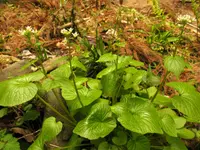
Wasabi grows best in cool partial shade with bright filtered light and only gentle morning sun.

Light Preference

Partial Shade

Eutrema japonicum Light Requirements

Eutrema japonicum is native to cool, humid mountain stream valleys in Japan, where surrounding vegetation and steep terrain soften the sun. In these habitats, leaves receive filtered light, bright shade, and limited seasonal sun rather than open exposure.

Cultivation works best when that sheltered pattern is repeated. Strong open sun is not part of its normal habitat. The preferred light is cool partial shade with filtered light.

  • Ideal exposure:

    Wasabi needs about 6–8 hours of filtered light or bright shade daily, including 1–2 hours of gentle direct morning sun.

  • Direct sun limit:

    Soft morning sun is tolerated, but midday and afternoon sun are usually too strong.

  • Shade tolerance:

    Bright shade is safe, while very deep shade can slow active growth.

  • Best timing:

    Morning exposure is safer because it gives useful light before heat and glare build.

Strong sun can overwhelm this cool, shade-adapted species.

Bleached patches:

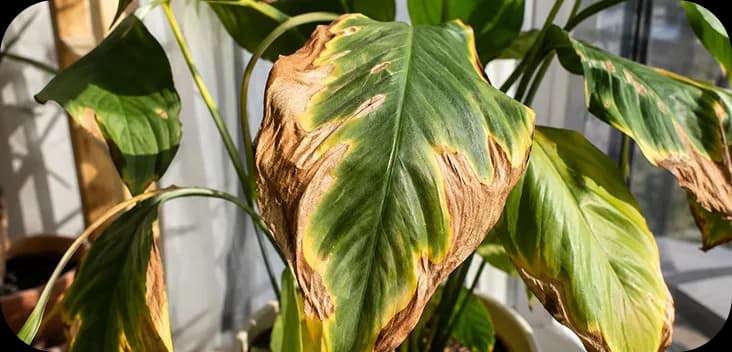
Exposed leaves may develop pale, papery areas where direct sun hits hardest.

Tan scorch marks:

Dry tan patches can appear after sudden exposure to midday or afternoon sun.

Afternoon collapse:

Leaves may droop during bright hot hours even when the site seemed suitable in morning.

Cupped leaves:

Newer leaves can look slightly cupped or hardened when light and heat are excessive.

Move the plant back into bright shade or filtered light right away. Add shade cloth or a natural screen before exposing it again.

Deep shade can keep this species alive, but growth often weakens when light stays very dim.

  • Long leaf stalks:

    Petioles may stretch upward or outward as the plant reaches for brighter light.

  • Leaning growth:

    The crown may tilt toward the brightest side instead of growing evenly.

  • Small new leaves:

    Fresh leaves may emerge smaller than older leaves during the active growing season.

  • Thin canopy:

    Fewer leaves may develop, giving the crown a sparse appearance.

Shift it to brighter filtered light, not harsh direct sun. Improvement is usually seen in new growth rather than existing leaves.

Choose the coolest bright-shade spot available if ideal filtered light is limited. Accept brief morning sun, but reject any location that receives direct afternoon sun.

Use shade cloth, a slatted screen, or nearby structure to soften strong overhead light. Rotate containers every 1–2 weeks if growth leans toward one side.

An open, reflective patio is unsuitable because it increases both glare and heat.

Get Personalized Care Plan

Scan your plant to receive care tips personalized for your specific plant

FAQ

The best light for Wasabi is cool partial shade with bright filtered light or bright shade for much of the day. Brief morning sun is acceptable, but strong afternoon sun is risky.

More Plant Light Guides

Get the Botan App

Discover how to care for your plants with Botan.

Botan app identifying a plant with a phone camera
How Fast Does Bamboo Grow Per Day, Month, and Year

10 min read · 7 Jul 2026

How Fast Does Bamboo Grow Per Day, Month, and Year

Bamboo grows extremely fast: some species can reach 5-6 m in just 3-4 months under the right conditions. This guide explains how much bamboo can grow per day, week, and year, and what affects its growth rate.

Plant Recommendations
How Fast Does Bamboo Grow Per Day, Month, and Year
How Long Can Flowers Go Without Water? Everything You Need to Know

6 min read · 10 Jul 2026

How Long Can Flowers Go Without Water? Everything You Need to Know

Flowers can survive without water anywhere from 1-2 hours to several months, depending on the plant type, species, and growing conditions. Some strong-looking flowers are drought-sensitive, while delicate-looking plants may tolerate long dry periods surprisingly well.

Plant Care
How Long Can Flowers Go Without Water? Everything You Need to Know
When to Harvest Carrots: Timing, Signs, and How to Pick Them

6 min read · 23 Oct 2026

When to Harvest Carrots: Timing, Signs, and How to Pick Them

Carrots are usually ready 60-80 days after sowing them in the soil, depending on the variety. Learn how to recognize maturity signs, choose the right harvest season, pull carrots without damaging them, and store roots after picking.

Plant Care
When to Harvest Carrots: Timing, Signs, and How to Pick Them