Provide discreet staking
Install slim, dark stakes or low ring supports early in the season so the tall, airy stems stay upright in wind and rain without looking visually cluttered later.

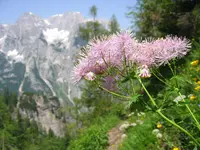
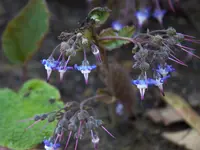
French meadow-rue, Thalictrum aquilegiifolium, is a clump-forming perennial grown mainly for its soft, cloud-like flower clusters and finely divided foliage. It has tall, upright stems with lacy, columbine-like leaves that give a light, airy texture in mixed borders or woodland-style plantings.
This species is native to parts of Europe and Asia, where it grows in meadows, light woodland, and moist mountain slopes. It generally prefers cool conditions, consistent moisture, and humus-rich, well-drained soil.
Thalictrum aquilegiifolium is moderately easy to grow if it receives enough moisture and protection from strong heat. Gardeners who learn how to care for French Meadow-rue usually find it reliable and long-lived.

Care Difficulty
Moderate Care

Light Preference
Partial Shade

Water Requirements
Regular Water

Temperature Preference
Cold Hardy

Hardiness Zone
5–8

Soil Texture
Loamy, Silty, Organic-rich

Soil pH
Acidic (5.5–6.5), Slightly acidic (6.5–7.0)

Soil Drainage
Moist but well-drained

Fertilization
Minimal (feed rarely)
Scan your plant to receive care tips personalized for your specific plant
Available on iOS and Android
This perennial prefers bright but gentle light that mimics a dappled woodland edge.
This species prefers consistently moist, cool soil without becoming waterlogged.
This hardy perennial thrives in cool to mild outdoor conditions with distinct seasons.
This species prefers moderate, slightly moist air but usually adapts to typical outdoor humidity.
This perennial performs best in deep, moisture-retentive but well-drained soil.
This species can grow in containers, but only when the pot is prepared to mimic a cool, moist, stable border site.
This perennial needs only modest feeding, as French Meadow-rue prefers consistently fertile, humus-rich soil.
Thalictrum aquilegiifolium benefits from light, well-timed pruning to maintain vigor and appearance.
This plant is usually grown in the ground, so focus on thoughtful transplanting rather than frequent repotting.
Thalictrum aquilegiifolium is commonly propagated by seed or careful division of mature clumps.
This hardy perennial tolerates typical winters in most temperate gardens and usually needs only minimal attention.

Plant Health Check
Not sure what's wrong with your plant? Check your plant's health inside the app.
The leaves of this species closely resemble those of columbines (Aquilegia), with divided, rounded leaflets that create a soft, lacy texture, which is the reason for its species name aquilegiifolium, meaning columbine-leaved.
Its showy, fluffy flower heads are made mainly of long, colored stamens rather than petals, and many of these stamens are functionally sterile but help attract pollinators by creating a large visual display.
In the wild, this species typically grows along woodland edges, streams, and damp meadows in parts of Europe and western Asia, where it benefits from consistent soil moisture and partial shade.

This species is sometimes used in traditional European cottage-style plantings to create a soft, misty layer between taller shrubs and lower perennials, because its airy flowering stems can rise through surrounding plants without shading them heavily.
Lack of flowers usually comes from too much shade, insufficient nutrients, or overcrowding. Ensure partial sun, fertile soil with added compost, and enough space for air flow. Mature clumps flower more reliably than very young plants.
Keep your plants happy and healthy with plant identification, disease detection, and easy care guidance.