Control Self-Seeding
Deadhead spent flowers and remove dry seed pods before they split if you want to limit spread, as this species ejects seeds forcefully and can quickly colonize nearby beds and pots.

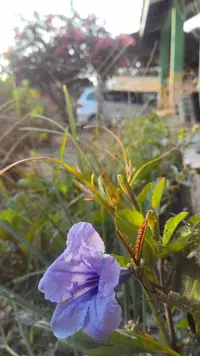
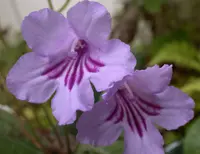
Minnieroot, Ruellia tuberosa, is a small, tuberous perennial often grown as a groundcover in warm climates. It forms low clumps of narrow leaves and trumpet-shaped purple flowers.
In its native tropical Americas and many naturalized regions, it commonly appears in lawns, roadsides, and open disturbed sites. Flowers open in the morning and may be followed by seed pods that can spread the plant readily.
Ruellia tuberosa is generally easy to grow, as it tolerates heat, short dry periods, and poor, compacted soils. It performs best with moderate light, regular moisture, and well-drained soil, which also makes it simple to care for minnieroot in home gardens.

Care Difficulty
Easy Care

Light Preference
Full Sun

Water Requirements
Moderate Water

Temperature Preference
Tropical / Frost Sensitive

Hardiness Zone
10–12

Soil Texture
Sandy, Loamy, Organic-rich

Soil pH
Acidic (5.5–6.5), Slightly acidic (6.5–7.0)

Soil Drainage
Moist but well-drained

Fertilization
Minimal (feed rarely)
Scan your plant to receive care tips personalized for your specific plant
Available on iOS and Android
Ruellia tuberosa prefers bright, warm conditions and flowers best with consistent direct light.
This species prefers evenly moist but not waterlogged soil, with short dry periods between waterings.
This warm-climate perennial grows best in consistently mild to hot conditions without frost exposure.
Ruellia tuberosa grows well in typical indoor humidity but benefits from slightly moist air.
Ruellia tuberosa prefers light, well-drained soil that holds some moisture without staying wet.
This species is well suited to container growing outdoors in warm climates.
Ruellia tuberosa benefits from light, consistent nutrition during active growth but does not need heavy feeding.
Ruellia tuberosa responds well to light, targeted pruning that maintains shape and flowering.
This species is often grown in the ground, so transplanting is more common than container repotting.
Ruellia tuberosa is commonly multiplied by seeds, stem cuttings, or division in warm seasons.
Ruellia tuberosa is frost-sensitive and needs protection in regions with cold winters.

Plant Health Check
Not sure what's wrong with your plant? Check your plant's health inside the app.
The plant uses a ballistic mechanism where mature seed capsules dry and suddenly split open, flinging seeds several meters away from the parent plant.
Individual funnel-shaped purple flowers usually last only a single day, but the plant produces them repeatedly, so a healthy specimen can look floriferous over a long warm season.
This species often colonizes compacted soils, roadside edges, and lawn cracks in tropical and subtropical regions, showing a strong tolerance for heat, sun, and poor substrates.

In some tropical regions this species is considered a minor agricultural weed because its durable tuberous roots allow it to resprout after mowing or drought, making it difficult to eradicate once established.
This species spreads readily by self-seeding and underground tubers in warm climates. In garden beds it can become weedy, so remove spent seed pods, thin extra seedlings, and use edging or containers to keep it contained.
Keep your plants happy and healthy with plant identification, disease detection, and easy care guidance.