honeywort Care (Cerinthe major)

Also known as: Greater honeywort
honeywort

About honeywort

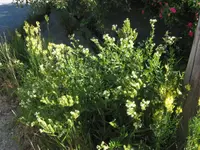
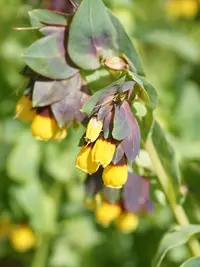
Honeywort, Cerinthe major, is an annual flowering plant valued for its arching stems, blue-green leaves, and nodding, tubular flowers often shaded in blue, purple, or burgundy. The bracts surrounding the flowers are particularly ornamental and can change color as the plant matures.

Native to the Mediterranean region, it thrives in sunny, dry, and coastal climates and fits well in informal borders and wildlife-friendly gardens. It generally prefers full sun, well-drained soil, and moderate moisture, and many gardeners find it fairly easy to grow once they understand how to care for honeywort.

Main Plant Requirements

Care Difficulty

Easy Care

Light Preference

Full Sun

Water Requirements

Moderate Water

Temperature Preference

Cool Climate

Hardiness Zone

7–10

Soil Texture

Sandy, Loamy, Organic-rich

Soil pH

Slightly acidic (6.5–7.0), Neutral (7.0)

Soil Drainage

Well-drained

Fertilization

Minimal (feed rarely)

Get Personalized Care Plan

Scan your plant to receive care tips personalized for your specific plant

Available on iOS and Android

How to Care for the honeywort

Cerinthe major grows best in bright outdoor conditions with moderate direct sun.

  • Provide 4–6 hours of direct sun daily, ideally with morning sun and light afternoon shade, especially in hotter regions.
  • Allow light or dappled shade in the afternoon to prevent leaf scorch; intense all-day summer sun can bleach bracts and dry the soil too fast for honeywort.
  • In cooler seasons, choose the sunniest spot available so plants build sturdy stems and strong flower color before summer heat arrives.

Cerinthe major prefers evenly moist but not saturated soil with good drainage.

  • Water when the top 3–5 cm of soil feels dry, soaking the root zone thoroughly, then let excess drain away.
  • In cool spring weather, water less often; increase frequency in dry, hot periods, watching for slight leaf droop as an underwatering signal.
  • Reduce watering if lower leaves yellow, stems feel soft, or soil stays wet for more than 2–3 days, which suggests poor drainage or overwatering.

This plant performs best in mild conditions and struggles with hard frost or extreme heat.

  • Aim for active growth in 55–75°F (13–24°C), which supports strong stems and good flowering.
  • Protect plants from frost; growth slows below 40°F (4°C) and hard freezes below 28°F (-2°C) can kill foliage and young plants.
  • In hot summers above 85°F (29°C), provide afternoon shade and mulch the soil to keep roots cooler and reduce heat stress.

This plant thrives in relatively dry air and usually does not need special humidity management.

  • Target 30–50% air humidity, similar to typical indoor and outdoor conditions in most homes and gardens.
  • Honeywort tolerates dry air well, but prolonged hot, windy conditions can speed leaf moisture loss and cause crisp leaf edges.
  • If foliage shows curling or browning tips in very arid climates, group pots together and mulch soil to reduce water loss rather than misting leaves.

Cerinthe major prefers well-draining, moderately fertile soil that does not stay wet for long.

  • Use a sandy or loamy mix with a loose, crumbly structure so water passes through quickly while roots still anchor well.
  • Aim for slightly alkaline to neutral pH, around 6.8–7.5, which often occurs in garden beds with some lime content.
  • For containers, combine roughly 60% all-purpose potting mix with 20% coarse sand and 20% perlite to improve drainage and aeration.
  • Avoid heavy clay, compacted areas, or mixes with high peat content that hold water and increase the risk of root rot.

This species grows well in containers when given adequate depth and fast drainage.

  • Choose a pot at least 25–30 cm deep so the taproot can extend without coiling tightly at the base.
  • Select a heavier terracotta or ceramic container if plants become tall, as extra weight helps prevent wind tipping.
  • Elevate the pot slightly on feet or bricks so drainage holes stay clear and excess water can escape quickly after rain or irrigation.

Cerinthe major benefits from modest feeding in fertile, well-drained soil during its main growth phase.

  • Use a balanced, water-soluble fertilizer (for example 10-10-10) at 1/2 strength every 3–4 weeks in spring and early summer.
  • Alternatively, apply a thin layer of garden compost or a light slow-release fertilizer at planting time.
  • Stop feeding honeywort by late summer so growth can slow and harden naturally before cold weather.
  • Avoid overfeeding, which can produce lush foliage with fewer flowers and weaker stems.

Cerinthe major responds well to light, timely pruning that keeps plants compact and flowering longer.

  • In mid to late spring, pinch back soft shoot tips with clean fingers or small snips to encourage branching.
  • Remove spent flower stems and faded bracts to extend the blooming period and reduce self-seeding.
  • Cut away any dead, damaged, or flopping stems at the base to tidy the plant and improve air flow.
  • At the end of the season, shear remaining growth close to ground level once frost has blackened the foliage.

Cerinthe major is usually grown as a seasonal bedding plant, so transplanting young seedlings is more common than long-term repotting.

  • Transplant once seedlings have 2–3 true leaves and roots just begin to fill starter cells, before they become rootbound.
  • Move plants in early to mid spring after hardening off, when frost risk is low and soil is workable.
  • Choose a sunny, well-drained site and plant at the same depth, handling the root ball gently to limit disturbance.
  • Water thoroughly after transplanting, then keep soil evenly moist for 1–2 weeks to reduce stress and support establishment.

New plants of Cerinthe major are most often produced from seed, which germinates reliably in the right conditions.

  • Sow fresh seed in late winter to early spring, indoors in trays or directly outside where plants will flower.
  • Use a free-draining seed mix, cover seed lightly, and keep at 60–68°F with consistent, moderate moisture.
  • Provide bright light as soon as seedlings emerge to prevent stretching and to build sturdy growth.
  • Self-sown seedlings commonly appear in spring; thin or transplant them while still small to desired spacing.

In mild climates Cerinthe major often behaves as a hardy annual or short-lived perennial and usually needs minimal winter care.

  • Plants tolerate light frosts but may be damaged by prolonged freezes below about 20–25°F, especially in containers.
  • In colder regions, treat as an annual and allow plants to self-seed or collect seed for re-sowing.
  • For overwintering in borderline zones, mulch lightly around the root zone, keeping mulch off the crowns.

Care Tips

Pinch For Bushiness

Pinch out the soft tip of young stems once they reach about 10–15 cm to encourage branching, stronger stems, and more flowering shoots instead of one tall, floppy spike.

Staggered Succession Sowing

Sow small batches of seed every 2–3 weeks in late winter to spring so flowering is spread over a longer season and gaps from plants finishing early are reduced.

Minimal Root Disturbance

Sow into deep modules or biodegradable pots and transplant before roots circle the container, as this species resents root disturbance and establishes faster when the root ball stays intact.

Wind-Hardening Outdoors

Before planting out, expose seedlings to increasing air movement and light outdoors over 7–10 days to produce sturdier, less brittle stems that cope better with wind in open beds.

Efficient Seed Saving

Check bracts every few days and collect dark, swollen seeds just as they loosen in the calyx, then dry and store them cool and dry so you can reliably grow honeywort from your own saved seed next season.

Common Pests and Diseases

Aphids

This pest often clusters on young shoots and flower stems, sucking sap and causing distorted growth and sticky honeydew on leaves and bracts.

Solution

Spray plants with a strong jet of water to dislodge colonies, then treat remaining insects with insecticidal soap or a ready-to-use neem oil spray, repeating every 5–7 days until new growth is clean. Encourage natural predators such as lady beetles by avoiding broad-spectrum insecticides in the surrounding area.

Powdery mildew

This disease appears as white, powdery patches on leaves and sometimes bracts, leading to yellowing and premature leaf drop in crowded or dry, stagnant conditions.

Solution

Remove heavily affected leaves and improve air circulation by thinning crowded stems and avoiding overhead watering, especially late in the day. If conditions stay favorable for disease, apply a labeled sulfur or potassium bicarbonate fungicide, coating both upper and lower leaf surfaces.

Downy mildew

Symptoms include yellow, patchy areas on upper leaf surfaces with gray to purplish fuzzy growth underneath, often in cool, damp weather or when foliage stays wet for long periods.

Solution

Promptly remove and dispose of affected foliage, water at soil level in the morning, and reduce dense plantings to improve airflow. In areas with frequent outbreaks, use a phosphonate or copper-based fungicide preventively when cool, moist conditions are forecast.

Leaf spot

This disease causes brown to purplish spots with possible yellow halos on leaves, which can coalesce and lead to partial defoliation under prolonged wet or humid conditions.

Solution

Prune out heavily spotted leaves, avoid wetting foliage, and water early in the day so plants dry quickly. If the problem persists, apply a copper or chlorothalonil fungicide according to label directions and rotate bedding sites yearly to reduce inoculum in the soil.

Slugs and snails

These pests chew irregular holes in leaves and young shoots, often leaving slime trails around the base of plants, particularly in cool, damp conditions and heavy soils.

Solution

Hand-pick slugs and snails in the evening, remove hiding places such as boards and dense debris, and use iron phosphate slug bait around but not touching stems. Mulching with coarse grit or crushed eggshells can also make the soil surface less favorable, supporting more reliable Cerinthe major care instructions in wet gardens.

Interesting Facts

Color‑changing bracts

The tubular flowers are surrounded by bracts that shift from bluish green to deep purple as they mature, creating a bicolor effect that is more visually prominent than the small true flowers.

Specialist bee magnet

In its Mediterranean range, the nectar‑rich flowers are especially attractive to long‑tongued bees, which can easily reach the deep nectaries and act as primary pollinators.

Waxy, glaucous foliage

Leaves and bracts have a glaucous, bluish coating of epicuticular wax that reduces water loss and reflects excess light, an adaptation to the dry, sunny habitats where this annual often grows.

Botan icon

Did you know?

Cerinthe major produces relatively heavy, dark seeds that often self‑sow close to the parent plant, allowing it to reappear annually in the same area without forming an aggressively spreading population.

FAQs about honeywort

Poor flowering usually results from low light, excessive nitrogen fertilizer, or heat stress. Provide full sun, avoid high-nitrogen feeds, and deadhead fading bracts so energy goes into new buds rather than seed production.

Grow Healthy Plants with Botan Care

Keep your plants happy and healthy with plant identification, disease detection, and easy care guidance.

Botan plant care app — identify plants on mobile

Explore More Plants