Stake Early
Install slender stakes when shoots reach 15–20 cm so you can loosely tie stems as they elongate, preventing wind damage and snapped flower spikes later in the season.

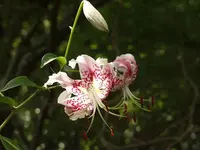
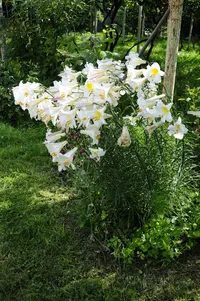
Japanese lily, Lilium speciosum, is a bulbous perennial known for its large, fragrant, often pink or white flowers with recurved petals and spotted markings. It typically produces tall, upright stems with whorled leaves and showy blooms in mid to late summer.
This species is native to Japan and nearby regions of East Asia, where it grows in woodland edges and well-drained, humus-rich soils. It prefers bright light with some protection from harsh afternoon sun, along with consistent moisture that never becomes waterlogged.
Because it needs cool, well-aerated soil and protection from rot, it is moderately demanding but rewarding when its needs are met. Understanding how to care for Japanese lily helps improve flowering and long-term performance.

Care Difficulty
Moderate Care

Light Preference
Partial Sun

Water Requirements
Regular Water

Temperature Preference
Cool Climate

Hardiness Zone
5–8

Soil Texture
Sandy, Loamy, Organic-rich

Soil pH
Acidic (5.5–6.5)

Soil Drainage
Moist but well-drained

Fertilization
Light (every 4–6 weeks)
Scan your plant to receive care tips personalized for your specific plant
Available on iOS and Android
This lily prefers bright, gentle sun with some protection during the hottest part of the day.
This bulb needs steady moisture around the roots but reacts poorly to waterlogged soil.
This lily favors cool to mild conditions and dislikes extremes of heat or cold.
This species prefers moderate, slightly humid conditions and usually adapts to typical indoor levels.
This bulb performs best in loose, well-aerated, sharply drained soil that still holds steady moisture.
This lily is suitable for container growing when the pot is deep, stable, and drains rapidly.
Lilium speciosum benefits from consistent but moderate nutrition during the active growing season.
Lilium speciosum needs light, targeted pruning focused on spent stems and damaged foliage.
Garden-grown Lilium speciosum is usually transplanted rather than repotted, with bulbs divided only when overcrowded.
Lilium speciosum is most often propagated by bulb division or scaling, with seeds used mainly by specialists.
Lilium speciosum tolerates moderate cold in the ground but benefits from some winter protection, especially in colder regions.

Plant Health Check
Not sure what's wrong with your plant? Check your plant's health inside the app.
This species typically opens its large, recurved flowers in the evening and releases a strong, sweet fragrance that becomes more intense at night, attracting nocturnal pollinators such as hawkmoths.
The tepals curve sharply backward, creating a turk’s-cap shape with prominent crimson to carmine spots on a white or pale pink background, a pattern thought to help guide insect and moth pollinators to the nectar source.
In its native East Asian range and in cultivation, this lily tends to bloom later than many other garden lilies, often from late summer into early autumn, extending the flowering season for bulbous ornamentals.

Historical records from Japan describe this species as one of the classic ornamental lilies cultivated in temple and courtyard gardens during the Edo period, contributing notably to the breeding of many modern hybrid lilies used in ornamental horticulture today.
Lack of blooms usually comes from insufficient maturity, bulbs planted too shallow or deep, nutrient imbalance from high nitrogen, or stress from recent division or transplanting. Ensuring stable conditions improves flowering when following general Lilium speciosum care.
Keep your plants happy and healthy with plant identification, disease detection, and easy care guidance.