Tennessee purple coneflower Care (Echinacea tennesseensis)

Tennessee purple coneflower

About Tennessee purple coneflower

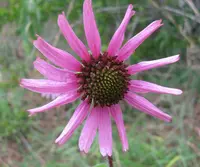
Tennessee purple coneflower, Echinacea tennesseensis, is a compact, clump-forming perennial native to a few limestone glades in central Tennessee. It produces upright stems topped with pink-purple daisy-like flowers and a raised, coppery cone. Plants typically grow in tidy clusters rather than spreading aggressively.

This species evolved in hot, sunny, dry sites with shallow, rocky soils, so it is naturally drought tolerant and suited to low-maintenance gardens. It adapts well to average garden beds if drainage is good, making it fairly straightforward to care for Tennessee purple coneflower.

Main Plant Requirements

Care Difficulty

Easy Care

Light Preference

Full Sun

Water Requirements

Low Water

Temperature Preference

Cold Hardy

Hardiness Zone

5–9

Soil Texture

Sandy, Loamy, Rocky

Soil pH

Acidic (5.5–6.5), Slightly acidic (6.5–7.0)

Soil Drainage

Well-drained

Fertilization

Minimal (feed rarely)

Get Personalized Care Plan

Scan your plant to receive care tips personalized for your specific plant

Available on iOS and Android

How to Care for the Tennessee purple coneflower

This species thrives in open, sunny sites that mimic its native prairie habitat.

  • Provide 6–8 hours of direct sun daily; morning and early afternoon sun produce strongest flowering and compact growth.
  • Tennessee purple coneflower tolerates light afternoon shade, especially in hotter regions, but flowering may drop if sun falls below about 4–5 hours.
  • Avoid dense shade, which leads to weak, floppy stems and fewer blooms; in cool, cloudy climates choose the brightest, south- or west-facing exposure available.

This prairie perennial prefers slightly dry conditions and dislikes constantly wet soil.

  • Water only when the top 3–5 cm of soil are dry, using a deep soak that moistens the root zone, then allow the soil to dry again.
  • During the first growing season, check soil after hot, windy days; established Echinacea tennesseensis usually needs less frequent watering except in extended drought.
  • Ensure sharply drained soil; limp, yellowing foliage and persistent wetness suggest overwatering, while crisp, browning leaf edges and drooping that improves after rain indicate underwatering.

This hardy perennial tolerates a wide temperature range once established in the ground.

  • Active growth and flowering are strongest around 70–85°F (21–29°C), with good performance from 60–90°F (16–32°C) in most regions.
  • Mature plants withstand winter lows near 0°F (−18°C) in well-drained soil; crown rot risk increases if cold combines with waterlogging.
  • During heat waves above 95°F (35°C), flowering may pause; mulch the root zone 5–8 cm deep to moderate soil temperature and reduce stress.

Humidity is rarely a concern for Echinacea tennesseensis, which thrives in typical outdoor air conditions.

Echinacea tennesseensis prefers lean, well-drained mineral soils that do not stay wet after rain or watering.

  • Use a sandy or sandy-loam mix with 50–70% mineral content (sand or gritty topsoil) and modest organic matter.
  • Aim for slightly acidic to neutral pH, around 6.0–7.0, avoiding strongly alkaline or salty substrates.
  • Improve drainage and aeration by blending coarse sand, small gravel, or perlite into heavier native soil before planting.
  • Avoid dense, water-retentive mixes rich in peat or clay, which promote crown and root rot when moisture lingers.

This species can grow in containers if the pot mimics its naturally dry, well-drained conditions.

  • Choose a deep, heavy container to anchor the tall flowering stems and prevent tipping in wind.
  • Select a gritty, fast-draining mix and raise the pot on feet or bricks so drainage holes never sit in collected water.
  • Place containers in full sun on a warm, exposed surface such as gravel or pavers to keep roots from staying cool and damp.

This native perennial needs modest feeding, especially in poor soils, to support steady growth and flowering in Tennessee purple coneflower.

  • Use a balanced, slow-release fertilizer (around 10-10-10) or a thin layer of compost in early spring as new growth emerges.
  • Apply once at the start of the growing season; a second light dose in midsummer is enough on very lean soils.
  • Water well before and after feeding, and use about half the label strength to avoid forcing weak, lush growth.
  • Stop fertilizing in late summer so plants harden off before winter and roots store energy without soft new shoots.

Pruning Echinacea tennesseensis is mainly about tidiness and managing flowering, not reshaping the plant.

  • In early summer, deadhead spent blooms just above a set of leaves to encourage additional flowering flushes.
  • Leave some seed heads in late season for wildlife food and winter interest, then remove in late winter before new growth.
  • Cut back dead, diseased, or broken stems at the base using clean, sharp hand pruners to limit pest and disease entry.
  • Thin crowded stems lightly at the clump edges if air flow is poor, but avoid heavy cutting that removes most foliage.

This deep-rooted perennial is usually grown in garden beds, so transplanting is more common than repotting.

  • Transplant in early spring or early fall when temperatures are mild and soil is moist but not waterlogged.
  • Look for signs such as stunted growth, a congested clump, or roots circling inside a pot if container-grown.
  • Move plants only every few years, lifting with a wide root ball to preserve the taproot and attached feeder roots.
  • Replant at the same soil depth, water thoroughly, and shade lightly for 3–5 days to reduce transplant shock and wilting.

Propagation of Echinacea tennesseensis is straightforward by seed or careful division in suitable conditions.

  • Sow seeds in late fall outdoors or use 4–6 weeks of cold stratification in the fridge before spring sowing for better germination.
  • Provide bright light, well-drained sandy or loamy mix, and moderate moisture; avoid waterlogged conditions around young seedlings.
  • Divide mature clumps in early spring, splitting into sections with several buds and roots, then replant promptly.
  • Keep new divisions evenly moist, not saturated, for the first 2–4 weeks to support recovery and new root growth.

This coneflower is cold hardy in much of the US and usually needs minimal winter care in the ground.

  • Tolerates typical winter frosts once established, especially in well-drained soil that prevents root rot.
  • Allow stems and seed heads to remain over winter to shield crowns slightly and support birds, then cut back in late winter.
  • Apply a light 5–7 cm mulch after the ground cools in late fall, keeping mulch just away from the crown.
  • For container plants in colder zones, move pots into a sheltered, unheated but frost-sheltered area to protect roots.

Care Tips

Seed Head Management

Leave some spent flower heads on the plant over winter to provide natural reseeding and wildlife food, then cut back only in late winter to tidy clumps and control spread.

Targeted Clump Division

Divide mature clumps every 4–5 years in early spring, replanting only the healthiest outer sections to maintain vigor and prevent overcrowding in restoration or garden plantings.

Support in Windy Sites

In exposed locations, install low, discreet ring supports or short stakes around young plants in late spring to keep stems upright without restricting air flow.

Drought Conditioning

Once plants are established, allow the soil surface to dry several inches down between deep waterings to encourage a deep root system and greater drought resilience when caring for Tennessee purple coneflower.

Weed Pressure Control

Use a thin (2–3 cm) layer of coarse, un-dyed mulch set back from the crowns to suppress aggressive weeds while still allowing the crown and stems to stay dry and well aerated.

Common Pests and Diseases

Aster yellows

This disease is caused by a phytoplasma spread by leafhoppers and leads to distorted, stunted flower heads with green, deformed petals. Symptoms include witches'-broom growth, yellowing foliage, and loss of normal cone development.

Solution

Remove and destroy infected plants promptly to prevent further spread, as there is no cure once symptoms appear. Reduce nearby weed hosts, encourage beneficial insects that prey on leafhoppers, and avoid overhead watering that attracts leafhoppers to tender new growth.

Powdery mildew

This disease produces a white to gray powdery coating on leaves, especially in humid, crowded plantings. Symptoms include reduced vigor, yellowing, and premature leaf drop late in the season.

Solution

Improve air circulation by thinning or spacing plants, and avoid wetting foliage when watering. Remove heavily affected leaves, and if needed apply a sulfur or potassium bicarbonate fungicide labeled for ornamentals at the first sign of disease.

Leaf spot

This disease causes tan to dark brown spots on foliage, sometimes with purple margins, and can lead to partial defoliation in wet summers. Symptoms include small lesions that expand and merge, reducing photosynthetic area and plant vigor.

Solution

Remove and discard spotted leaves and spent stems in fall to reduce overwintering spores. Water at soil level, increase spacing, and, in severe or recurrent cases, use a labeled ornamental fungicide during prolonged wet periods.

Japanese beetles

These insects skeletonize leaves and chew flower petals, often congregating on flower heads and upper foliage. This pest can significantly reduce flowering display and overall plant vigor during peak feeding periods.

Solution

Hand-pick beetles in early morning into soapy water and remove heavily infested flower heads. Reduce nearby favored host plants when possible, and consider targeted traps placed away from plantings rather than next to the coneflowers to limit attraction to the area.

Eriophyid mite damage

This pest causes abnormal, tufted growth in the cone and twisted or stunted ray petals, sometimes mistaken for aster yellows. Symptoms include deformed seed heads with uneven bristly tissue and poor seed set.

Solution

Cut off and discard affected flower heads as soon as distortion appears to reduce mite populations. Maintain good plant vigor through proper watering and avoid excessive nitrogen fertilization, which can promote lush, susceptible growth; in severe cases, remove and destroy highly affected plants to break the cycle of infestation when growing Tennessee purple coneflower in small garden groups.

Interesting Facts

Unique Tennessee endemic

This species occurs naturally only in a very small area of central Tennessee, primarily on sunny limestone cedar glades, making it a narrow regional endemic with a highly restricted native range.

Forward-tilted petals

Unlike most purple coneflowers whose ray petals droop downward, this species has narrow ray florets that often stand more upright or angle slightly forward, giving the flower head a more cupped and distinctive profile.

Recovery from near extinction

The species was once thought to be on the brink of extinction due to habitat loss and was listed as federally endangered, but targeted habitat protection and managed propagation have allowed several natural populations to stabilize and expand.

Botan icon

Did you know?

This plant was one of the first species ever to be formally removed from the U.S. federal endangered species list because of clear evidence of recovery driven by habitat conservation and carefully managed reintroductions.

FAQs about Tennessee purple coneflower

This species is highly attractive to native bees, honeybees, butterflies, and some moths. The prominent central cone provides easy access to nectar and pollen, making it a strong choice for supporting pollinator activity in sunny garden beds and meadows.

Grow Healthy Plants with Botan Care

Keep your plants happy and healthy with plant identification, disease detection, and easy care guidance.

Botan plant care app — identify plants on mobile

Explore More Plants