Canada germander Care (Teucrium canadense)

Also known as: American germander, creeping germander, Wood sage
Canada germander

About Canada germander

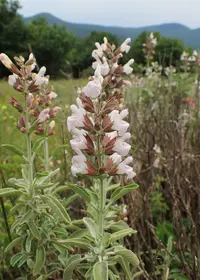
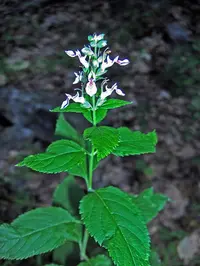
Canada germander (Teucrium canadense) is a hardy, herbaceous perennial in the mint family, valued mainly for naturalistic and pollinator-friendly plantings. It forms upright clumps with square stems, toothed opposite leaves, and spikes of pale pink to lavender tubular flowers in summer.

This species is native to North America and typically occurs in moist meadows, stream banks, and open woodland edges. It spreads by rhizomes, so it can form colonies and may become vigorous in favorable conditions.

It is generally easy to grow, as it tolerates a range of soils and temperatures, provided there is consistent moisture and at least moderate light. Gardeners who want to care for Canada germander should be comfortable managing its spread through division or edging.

Main Plant Requirements

Care Difficulty

Easy Care

Light Preference

Full Sun

Water Requirements

Regular Water

Temperature Preference

Cold Hardy

Hardiness Zone

3–8

Soil Texture

Loamy, Silty, Organic-rich

Soil pH

Slightly acidic (6.5–7.0), Neutral (7.0)

Soil Drainage

Moist but well-drained

Fertilization

Minimal (feed rarely)

Get Personalized Care Plan

Scan your plant to receive care tips personalized for your specific plant

Available on iOS and Android

How to Care for the Canada germander

This sun-loving North American perennial grows best in open, bright conditions outdoors.

  • Provide 6–8 hours of direct sun daily; morning sun with light afternoon shade suits most sites.
  • Canada germander tolerates partial shade (3–4 hours sun), but flowering and density decrease as shade increases.
  • In hot summers, protect from intense late afternoon sun to reduce leaf scorch and drought stress, especially in dry soils.

This moisture-loving native prefers steadily damp but not waterlogged soil.

  • Allow the top 2–3 cm of soil to start drying, then water deeply so moisture reaches the root zone, rather than giving light, frequent splashes.
  • During hot, dry weather, check soil every 1–2 days; in cool or rainy periods, rely more on rainfall and skip irrigation when soil already feels moist.
  • Watch for overwatering signs such as yellowing, limp stems and sour-smelling soil; crisp leaves and drooping in dry soil suggest underwatering for Teucrium canadense.

This hardy perennial tolerates a wide temperature range in temperate climates.

  • Best growth occurs around 65–80°F (18–27°C), especially in late spring and early summer when soil is warming but not hot.
  • Established plants tolerate winter lows below 0°F (-18°C) when crowns are in the ground, but new plantings benefit from mulch for added insulation.
  • In summer heat above 90°F (32°C), growth may slow; provide consistent soil moisture and some afternoon shade to reduce stress and leaf scorch.

This species handles a broad humidity range and rarely needs special humidity management outdoors.

  • Thrives in 40–70% humidity, typical of most temperate outdoor conditions.
  • Tolerates short dry-air periods, but prolonged heat with low humidity can cause leaf edges to brown and curl slightly.
  • In very dry, exposed sites, group plants or use nearby water features to modestly raise local humidity and reduce stress.

Teucrium canadense prefers moist, well-structured mineral soils and tolerates a range of fertility levels.

  • Aim for loamy or sandy-loam soil that retains moisture but still drains freely, avoiding heavy, compacted clay that stays waterlogged.
  • A mix of garden loam with 20–30% compost and 10–20% coarse sand or fine gravel improves both nutrient supply and drainage.
  • Target a slightly acidic to neutral pH around 6.0–7.0, which supports root activity and micronutrient availability.
  • On dense or poorly aerated sites, raise the planting area or form low berms to keep roots above standing water and increase oxygen in the root zone.

This species can be grown in containers, but it needs careful management to prevent waterlogging and root crowding.

  • Choose a deep, heavy container to support vigorous top growth and prevent the tall, spreading stems from tipping the pot in wind.
  • Use a moisture-retentive but free-draining mix, such as compost-rich potting soil cut with 20–30% coarse grit or perlite, to keep roots moist without stagnation.
  • Place the container where excess rainwater can drain away quickly, since constant saucer water around the base promotes root problems in this wetland-adapted plant.

Teucrium canadense grows well in average soils and usually needs only light fertilization.

  • Apply a thin layer of compost around plants in early spring to refresh nutrients.
  • Use a balanced slow-release fertilizer (around 10-10-10) once in spring if growth or flowering seems weak.
  • During the main growing season, avoid frequent additional feeding to prevent overly lush, floppy stems.
  • Stop fertilizing in late summer so growth hardens before winter, and always follow label dilution rates.

Pruning Teucrium canadense helps manage height, spread, and flowering performance.

  • In late winter or early spring, cut back dead or winter-damaged stems to healthy growth with clean hand pruners.
  • After flowering, shear or lightly trim spent flower spikes to tidy plants and encourage denser regrowth.
  • Remove crowded or crossing stems at the base to improve air flow and reduce disease risk.
  • Avoid cutting into very old, woody bases; focus on younger stems for shaping.

This species is usually grown in the ground, so care focuses on transplanting rather than frequent repotting.

  • Transplant in early spring or early fall when temperatures are mild and soil is moist but not waterlogged.
  • Move plants when clumps outgrow their space, crowd neighbors, or show poor vigor despite good care.
  • Dig a wide root ball, replant at the same depth, and water thoroughly to settle soil and limit root stress.
  • For container-grown plants, shift to a slightly larger pot every 2–3 years if roots circle and growth slows.

Teucrium canadense plant care often involves propagation to manage spreading clumps or create new patches.

  • Divide mature clumps in early spring or early fall, keeping several healthy shoots and roots per division.
  • Take 7–10 cm softwood cuttings in late spring, place in moist, free-draining mix, and maintain high humidity.
  • Sow fresh seeds in fall or early spring outdoors; light cold exposure improves germination.
  • Water new divisions or cuttings consistently until established, avoiding waterlogged conditions.

This hardy perennial usually needs minimal winter care in most temperate climates.

  • Plants tolerate frost and typical winter cold in much of their native range when grown in the ground.
  • After hard frost, stems can be cut back to a few cm above soil once fully dormant.
  • Apply a 5–8 cm mulch layer around the root zone in colder regions to moderate freeze–thaw cycles.
  • Container-grown plants benefit from shelter in an unheated garage or cold frame to reduce root freeze.

Care Tips

Control Spreading Rhizomes

Install a shallow root barrier 20–25 cm deep or grow in a contained bed to keep rhizomes from spreading into adjacent planting areas while still allowing a dense patch to form.

Cut Back After Flowering

Mow or shear stems to 5–10 cm right after peak bloom to tidy the stand, encourage fresh foliage, and help reduce self-seeding in small gardens.

Staggered Patch Renewal

Every 3–4 years, remove and compost one-third of the oldest clump sections in late fall or early spring to prevent overcrowding and maintain vigorous, upright growth.

Targeted Pollinator Strip

Plant in a long, narrow strip along vegetable beds or orchards to create a pollinator corridor that supports bees and beneficial insects without shading food crops.

Powdery Mildew Management

In humid regions, thin crowded stems in early summer and water only at soil level to improve air flow and reduce the risk of powdery mildew when caring for Canada germander.

Common Pests and Diseases

Leaf spot

This disease causes small water-soaked or brown lesions on leaves that may enlarge and merge, leading to premature yellowing and drop. Symptoms include more damage in dense, wet stands or during long rainy periods.

Solution

Remove and discard heavily spotted leaves and thin crowded stems to improve air movement. Avoid overhead watering, water early in the day so foliage dries quickly, and if outbreaks are severe in ornamental plantings, use a labeled copper or chlorothalonil fungicide according to directions as part of broader Teucrium canadense care instructions.

Powdery mildew

This disease appears as a white or gray powdery coating on upper leaf surfaces and young stems, which can cause distorted growth and reduced vigor. Symptoms include more intense coverage in partial shade or where air circulation is poor.

Solution

Cut back and remove affected stems to reduce spore levels, and increase spacing or divide clumps to improve airflow. Avoid excess nitrogen fertilization, water at soil level, and if needed use a sulfur or potassium bicarbonate product labeled for powdery mildew on ornamentals, applied in dry weather.

Rust

This disease produces small orange, yellow, or brown pustules on the undersides of leaves, sometimes with yellowing on the upper surface. Symptoms include early leaf drop and a thinning appearance of the clump when infections are heavy.

Solution

Remove and destroy infected leaves as soon as pustules are noticed and clear away plant debris at the end of the season to lower inoculum. Improve spacing and sun exposure if possible, and where rust recurs every year, consider applying a labeled rust-control fungicide preventively early in the season.

Leafhoppers

These insects feed on sap, causing small pale speckles, leaf yellowing, and sometimes a scorched or stippled appearance on foliage. This pest may also transmit leafhopper-borne pathogens between wild and garden plants.

Solution

Rinse plants with a strong stream of water to knock leafhoppers off foliage and reduce numbers, and encourage natural predators such as spiders and lady beetles by minimizing broad-spectrum insecticides nearby. If populations stay high, use insecticidal soap or a light horticultural oil, sprayed to cover leaf undersides in the early morning or evening.

Aphids

These insects cluster on tender shoot tips and undersides of leaves, sucking sap and excreting sticky honeydew that can attract sooty mold. Symptoms include curled or distorted new growth and increased ant activity on stems.

Solution

Pinch off or wash away infested shoot tips with a firm spray of water, repeating as needed. For persistent colonies, apply insecticidal soap or horticultural oil, coating all infested surfaces, and limit high-nitrogen fertilizer that encourages soft, aphid-prone growth.

Interesting Facts

Specialist bee resource

The flowers are an important nectar and pollen source for several specialist bees that preferentially visit mint-family plants, supporting native pollinator communities along wetlands and prairies.

Aggressive clonal spread

This species spreads vigorously through shallow rhizomes, forming dense colonies that can quickly dominate open, moist soils along ditches, stream banks, and disturbed wet meadows.

Moisture-tolerant habitat

Canada germander naturally occurs in floodplains, marsh edges, and damp roadsides, showing high tolerance for periodic flooding and fluctuating water tables in temperate North America.

Botan icon

Did you know?

In parts of its native range, Canada germander can act as a facultative wetland indicator species, meaning its consistent presence is often used by botanists to help classify and map wetland boundaries in ecological surveys.

FAQs about Canada germander

Poor flowering often comes from too much shade, very dry soil, or excessive nitrogen fertilizer. Ensure at least moderate sun, consistent moisture, and avoid high-nitrogen lawn feeds. Cutting stems back lightly after flowering can improve next season’s display.

Grow Healthy Plants with Botan Care

Keep your plants happy and healthy with plant identification, disease detection, and easy care guidance.

Botan plant care app — identify plants on mobile

Explore More Plants