Pinch For Bushiness
Regularly pinch 1–2 cm off soft shoot tips from late spring to midsummer to encourage dense, branching growth and delay premature flowering, which keeps foliage production high for longer harvests.

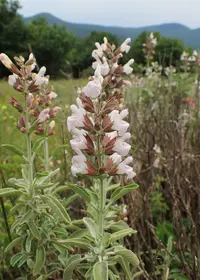
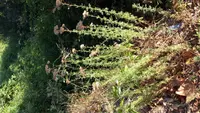
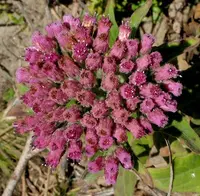
Greek oregano, Salvia fruticosa, is a perennial Mediterranean herb grown for its aromatic leaves and compact, bushy habit. It forms woody stems with soft, gray-green foliage and pale lilac to pink flowers that attract pollinators.
In its native range around the eastern Mediterranean, it thrives in dry, rocky hillsides with high light and good air movement. The plant is generally easy to grow when given plenty of sun, sharp drainage, and not too much moisture. These traits make it a good choice for gardeners who want to learn how to care for Greek oregano without complicated routines.

Care Difficulty
Easy Care

Light Preference
Full Sun

Water Requirements
Low Water

Temperature Preference
Warm Climate

Hardiness Zone
8–10

Soil Texture
Sandy, Loamy, Rocky

Soil pH
Slightly acidic (6.5–7.0), Slightly alkaline (7.0–7.5)

Soil Drainage
Well-drained

Fertilization
Minimal (feed rarely)
Scan your plant to receive care tips personalized for your specific plant
Available on iOS and Android
Salvia fruticosa thrives in bright, direct sun and develops best flavor and compact growth with strong light exposure.
This Mediterranean shrub prefers infrequent, deep watering and dries slightly between waterings to prevent root problems.
This species favors warm, dry conditions and tolerates some cold but is not fully frost-hardy in all regions.
This Mediterranean shrub handles low indoor humidity well and rarely needs extra moisture attention.
This species prefers lean, mineral, sharply drained soil that dries quickly after watering.
This aromatic subshrub adapts well to container growing on sunny patios or balconies.
Salvia fruticosa grows well in lean soil but benefits from light feeding in containers or poor ground.
Salvia fruticosa responds well to thoughtful pruning that maintains a compact, leafy mound.
Container-grown Salvia fruticosa benefits from occasional repotting or transplanting to maintain healthy root growth.
New plants of Salvia fruticosa are most often produced from cuttings, with seeds as a secondary option.
This Mediterranean shrub is moderately cold tolerant but benefits from some winter protection in colder regions.

Plant Health Check
Not sure what's wrong with your plant? Check your plant's health inside the app.
Greek sage typically develops characteristically tri-lobed, softly hairy leaves with a strong, resinous aroma, which helps distinguish it from many other culinary sages that have entire or only slightly toothed leaves.
This species is naturally distributed around the eastern Mediterranean, especially Greece and neighboring regions, where it grows on dry, rocky slopes and open scrub in full sun.
Greek sage leaves are a traditional flavoring and herbal tea ingredient in parts of Greece and Turkey, contributing a resinous, slightly camphor-like note that differs from common garden sage used in western European cooking.

Genetic and chemical studies suggest that Greek sage has been historically hybridized and selected in its native range, which has produced local forms with notably different essential oil compositions used for regional teas and flavorings.
Brown leaves usually result from underwatering, intense heat, or fertilizer burn. Check soil moisture, provide some protection from harsh midday sun, and flush excess fertilizer salts with a thorough watering if recently fed.
Keep your plants happy and healthy with plant identification, disease detection, and easy care guidance.