Shaded Positioning
Site plants in light dappled shade on the north or east side of taller shrubs or fences to protect flower spikes from bleaching and wind damage while still allowing good air movement.

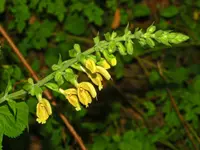
Sticky sage, Salvia glutinosa, is a hardy, herbaceous perennial from central and southeastern Europe. It naturally grows in light woodlands and along shady mountain edges.
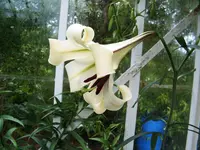
The plant forms upright clumps with soft, slightly sticky leaves and tall spikes of pale yellow, sometimes brown-marked flowers that attract bees. Its generous flowering and tolerance of shade make it suitable for woodland-style gardens and informal borders.
It is generally easy to grow where summers are not too hot and soils stay evenly moist but free-draining. Gardeners who learn how to care for sticky sage usually find it a reliable, low-fuss background plant.

Care Difficulty
Easy Care

Light Preference
Partial Shade

Water Requirements
Moderate Water

Temperature Preference
Cold Hardy

Hardiness Zone
5–8

Soil Texture
Loamy, Silty, Organic-rich

Soil pH
Acidic (5.5–6.5), Slightly acidic (6.5–7.0)

Soil Drainage
Moist but well-drained

Fertilization
Minimal (feed rarely)
Scan your plant to receive care tips personalized for your specific plant
Available on iOS and Android
This shade-tolerant perennial thrives in bright, dappled light rather than intense, all-day sun.
This woodland sage prefers consistently moist, well-drained soil without staying soggy.
This hardy perennial tolerates cool climates but grows best in mild, stable temperatures.
This species tolerates a wide humidity range and usually does not need special humidity management outdoors or in pots.
Salvia glutinosa prefers moist, well-structured ground that drains freely but never dries out completely.
This species can be grown in containers if the pot is prepared to support its moisture needs and spreading roots.
Salvia glutinosa benefits from modest feeding on reasonably fertile soil, especially in containers or poor ground.
Salvia glutinosa responds well to light, timely pruning that maintains a tidy shape and good flowering.
This species is usually grown in the ground, so focus on transplanting Salvia glutinosa rather than frequent repotting.
Salvia glutinosa is commonly propagated by division, cuttings, and seeds under suitable conditions.
Mature Salvia glutinosa is generally cold hardy in temperate climates and needs only modest winter care.

Plant Health Check
Not sure what's wrong with your plant? Check your plant's health inside the app.
The leaves and stems are covered with glandular hairs that exude a sticky resin, which often traps small insects; these caught insects are thought to reduce herbivory by distracting or deterring pests rather than feeding the plant.
Unlike many sun-loving Salvias, this species is naturally adapted to cool, moist, deciduous woodlands in central and eastern Europe, where it thrives in partial shade and on humus-rich, limestone-influenced soils.
It flowers from late summer into early autumn, providing a valuable late nectar and pollen source for bees and other pollinators when many woodland plants have already finished blooming.

In parts of its native range, this woodland sage is considered an indicator of long-established, relatively undisturbed forest habitats, so its presence can help botanists assess historical continuity and ecological quality of a site.
Lack of flowers is usually caused by too much shade, excess nitrogen fertilizer, or young plants that are not yet established. Ensure at least partial sun, avoid high-nitrogen feeds, and allow 2–3 seasons to mature.
Keep your plants happy and healthy with plant identification, disease detection, and easy care guidance.