Formative framework pruning
In the first 3–5 years, remove low, crowded, or crossing branches in late winter to build a strong, open framework that supports heavy berry clusters and reduces future breakage.

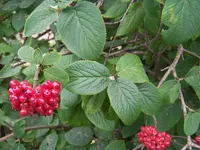
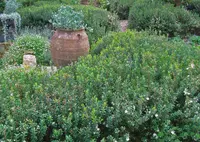
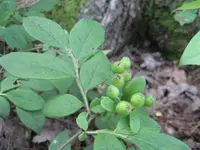
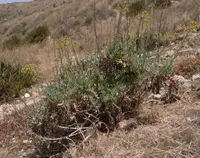
Wayfaring-tree, Viburnum lantana, is a hardy deciduous shrub valued for its dense branching and coarse, felted leaves. It typically forms a rounded, upright shape with multiple stems. In spring it produces flat clusters of creamy white flowers, followed by berries that change from green to red and then black as they mature. This sequential fruit color is a key ornamental feature. The species is native to Europe and western Asia, often found in hedgerows, woodland edges, and dry slopes. It adapts well to many garden soils and tolerates wind, drought, and urban conditions, which makes it relatively easy to establish. To care for Wayfaring-tree, provide sun to light shade and moderately moist, well-drained soil.

Care Difficulty
Easy Care

Light Preference
Full Sun

Water Requirements
Moderate Water

Temperature Preference
Cold Hardy

Hardiness Zone
3–7

Soil Texture
Sandy, Loamy, Clay

Soil pH
Slightly acidic (6.5–7.0), Slightly alkaline (7.0–7.5)

Soil Drainage
Well-drained

Fertilization
Minimal (feed rarely)
Scan your plant to receive care tips personalized for your specific plant
Available on iOS and Android
Viburnum lantana thrives in sites with ample direct light but adapts to some shade.
This shrub prefers evenly moist, well-drained soil rather than frequent shallow watering.
This hardy shrub tolerates a wide range of outdoor temperatures once established.
This shrub tolerates a wide humidity range and rarely needs special attention in typical outdoor conditions.
This shrub prefers moderately fertile, well-structured mineral soil that drains freely yet holds some moisture.
This species can be grown in containers for several years, though it ultimately performs best in the ground.
Viburnum lantana is a tough shrub that benefits from modest feeding rather than heavy fertilization.
Pruning Viburnum lantana helps maintain a healthy framework and encourage flowering.
Viburnum lantana is usually grown in the ground and benefits most from careful transplanting rather than frequent repotting.
New Viburnum lantana plants are most commonly produced from cuttings or seeds under suitable conditions.
This shrub is generally cold hardy in temperate climates and needs minimal winter care once established.

Plant Health Check
Not sure what's wrong with your plant? Check your plant's health inside the app.
The flattened, slightly wrinkled drupes turn from red to black as they ripen and are a key autumn food source for thrushes and other birds, which disperse the hard seeds after passing through their digestive tract.
This species naturally hybridizes with other viburnums, such as Viburnum opulus, forming stable hybrids where their ranges overlap, which makes field identification challenging for botanists.
Viburnum lantana shows a strong preference for calcareous, lime-rich soils in its native European range and is often used in ecological restoration on chalk and limestone slopes because of this tolerance.

In parts of central and southern Europe, long-lived hedgerows and boundary plantings of this shrub have been used as historical landscape markers, allowing researchers to trace centuries-old land divisions and former grazing routes.
Poor flowering often comes from insufficient light, heavy pruning at the wrong time, or nutrient imbalance. Avoid hard pruning after flower buds form, test soil phosphorus and potassium, and ensure the shrub receives several hours of direct sun.
Keep your plants happy and healthy with plant identification, disease detection, and easy care guidance.