Cool rest period
Provide a cool, bright rest period at 50–59°F for 8–10 weeks after berries fade to encourage compact regrowth and better fruiting the next season.

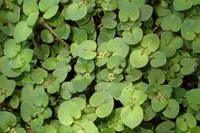
Nertera villosa is a low-growing, mat-forming perennial often grown as a small ornamental for its bright, decorative berries. It forms dense cushions of tiny round leaves that create a soft, moss-like surface.
In nature it occurs in cool, high-altitude regions of Central and South America, where it grows in moist, well-drained, often rocky soils. The plant is valued mainly for its long-lasting orange to red fruits, which provide strong visual interest compared with its very fine foliage.
This species can be more demanding than it looks, as it prefers cool conditions, stable moisture, and good light without harsh heat. Understanding how to care for Nertera villosa helps prevent issues with berry drop, leaf scorch, and decline in warm, dry indoor air.

Care Difficulty
Hard Care

Light Preference
Bright Indirect Light

Water Requirements
Keep Soil Moist

Temperature Preference
Tropical / Frost Sensitive

Hardiness Zone
10–11

Soil Texture
Loamy, Peaty, Organic-rich

Soil pH
Acidic (5.5–6.5)

Soil Drainage
Moist but well-drained

Fertilization
Light (every 4–6 weeks)
Scan your plant to receive care tips personalized for your specific plant
Available on iOS and Android
This plant prefers bright, gentle light to support compact growth and reliable berry production.
Moist, airy soil is essential to support this shallow‑rooted ground cover.
Stable, cool to mild temperatures help this plant form dense mats and hold its berries longer.
This species prefers moderately moist air and reacts quickly to very dry conditions.
This plant needs a loose, moisture-retentive but well-drained mix to support its shallow roots.
This species is well suited to shallow containers because of its low, mat-forming habit.
This plant benefits from light, controlled feeding to support foliage density and berry production.
Pruning is mainly used to keep Nertera villosa compact and remove unhealthy growth.
This plant has a shallow, fibrous root system and prefers careful, infrequent repotting.
Propagation is most successful by division and fresh seed under controlled conditions.
This species dislikes hard frost and benefits from moderate winter protection in cooler climates.

Plant Health Check
Not sure what's wrong with your plant? Check your plant's health inside the app.
This species is native to southern South America, including parts of Chile and Argentina, where it grows in cool, often coastal or montane habitats with consistently moist but well-drained soils.
Nertera villosa forms a very low, carpet-like mat of tiny leaves, with creeping stems that root at the nodes, allowing it to cover ground efficiently in its natural habitat.
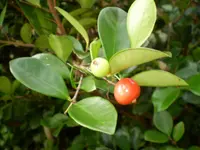
After inconspicuous greenish flowers, the plant develops numerous bright orange berries that can persist for months and are believed to attract small birds, which help disperse the seeds.
Poor flowering usually relates to stress from recent repotting, low light, fluctuating temperatures, or inconsistent moisture. Allow the plant to settle, keep conditions stable, and avoid heavy feeding, which can encourage foliage at the expense of berries.
Keep your plants happy and healthy with plant identification, disease detection, and easy care guidance.