Macaw palm Care (Acrocomia aculeata)

Macaw palm

About Macaw palm

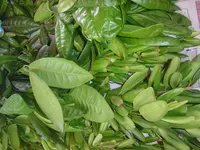
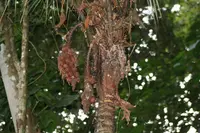
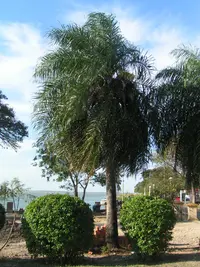
Macaw palm, Acrocomia aculeata, is a large, spiny feather palm native to tropical and subtropical regions of Central and South America. It often forms a single tall trunk with a full crown of arching, pinnate fronds and a somewhat untidy, rugged appearance.

In habitat it grows in open woodlands, savannas, and disturbed areas, showing good tolerance to heat, sun, and seasonal drought. This species can be slow and challenging in cooler climates, and the sharp spines demand careful handling.

Those who want to learn how to care for Macaw palm should note its preference for bright light, warmth, and well-drained soil with moderate, regular moisture.

Main Plant Requirements

Care Difficulty

Moderate Care

Light Preference

Full Sun

Water Requirements

Moderate Water

Temperature Preference

Tropical / Frost Sensitive

Hardiness Zone

10–12

Soil Texture

Sandy, Loamy, Rocky

Soil pH

Acidic (5.5–6.5), Slightly acidic (6.5–7.0)

Soil Drainage

Well-drained

Fertilization

Minimal (feed rarely)

Get Personalized Care Plan

Scan your plant to receive care tips personalized for your specific plant

Available on iOS and Android

How to Care for the Macaw palm

This sun-loving palm grows best in consistently bright, open sites in warm climates.

  • Provide full sun for 6–10 hours daily; young plants benefit from light afternoon shade in very hot regions to reduce leaf scorch.
  • Tolerates light, dappled or high open shade for part of the day, but growth slows and fronds become sparse with less than 4–5 hours of direct sun.
  • Macaw palm in cooler or marginal climates should be sited in a south- or west-facing, wind-sheltered position to maximize seasonal sun exposure.

This drought-tolerant palm prefers deep, infrequent watering once established in the landscape.

  • At planting, water thoroughly, then water again when the top 5–8 cm of soil are dry, focusing on long, deep soakings rather than light, frequent passes.
  • In hot, dry seasons, watch leaf tips and older fronds; crisp, folding leaves signal underwatering, while yellowing and soft, collapsing new growth indicate overwatering or poor drainage.
  • Ensure fast-draining, sandy or loamy soil for Acrocomia aculeata, avoiding standing water around the root zone, especially on heavy clay sites or compacted ground.

This palm thrives in consistently warm, frost-free climates with hot summers.

  • Optimal growth occurs around 75–95°F (24–35°C), with strong performance in tropical and subtropical regions that offer long, warm growing seasons.
  • It tolerates brief lows near 28–30°F (-2 to -1°C) once established, but repeated frosts damage fronds and young spear growth, slowing recovery.
  • Heat-tolerant up to about 105°F (40°C) if soil moisture is adequate; mulch the root zone and avoid reflected heat pockets to limit heat stress in peak summer.

This palm tolerates a wide humidity range, with only mild preferences in cultivation.

  • Aim for 40–60% humidity; the Macaw palm generally adapts well to typical outdoor and household levels.
  • It copes with dry air but prolonged humidity below 30% may cause leaf-tip browning and slower growth.
  • If air is very dry, group plants, use a pebble tray, or run a nearby humidifier rather than misting heavily.

Acrocomia aculeata prefers sharply draining, mineral-rich substrates that do not stay wet around the roots.

  • Use a sandy or gritty loam with coarse texture; combine roughly 50–60% mineral material (sand or fine gravel) with 40–50% organic matter such as composted bark or leaf mold.
  • Ensure rapid drainage; mix in coarse sand, pumice, or perlite so water drains through within a few seconds and the root zone does not remain soggy.
  • Maintain slightly acidic to neutral pH, around 6.0–7.2, avoiding strongly acidic or saline soils that can burn roots and reduce nutrient uptake.
  • Avoid heavy clay, compacted ground, or peat-heavy mixes that hold water tightly; loosen existing soil with coarse aggregates to improve aeration and reduce root rot risk.

This species can be grown in containers when young, but long-term container culture is challenging due to its eventual size and root strength.

  • Select a very deep, heavy container to accommodate the strong taproot and to prevent the tall palm from becoming top-heavy and tipping in wind.
  • Choose thick plastic or reinforced clay, as thin or brittle pots may crack under lateral root pressure over time.
  • Place the container where it cannot be easily knocked or shifted, since the tall canopy can act as a sail and stress the root–soil interface if the pot moves.

This palm benefits from moderate feeding in cultivation, especially in poor or sandy soils.

  • Use a balanced slow-release NPK palm fertilizer or well-rotted compost at the beginning of the warm growing season.
  • Feed Acrocomia aculeata every 2–3 months in spring and summer, following label rates and avoiding over-application near the trunk.
  • For liquid products, apply at 1/2 strength to moist soil to reduce root burn and improve nutrient uptake.
  • Stop or greatly reduce feeding in fall and winter when growth slows, especially in cooler climates.

Pruning for this palm is mainly hygienic and structural, not decorative.

  • Carry out light pruning of Acrocomia aculeata in late winter or early spring before strong new growth starts.
  • Remove only completely dead, diseased, or broken fronds, cutting close to the trunk without injuring living tissue.
  • Eliminate crossing or dangerously low fronds to improve airflow, reduce pest habitat, and maintain a clear trunk line.
  • Use long-handled loppers or a pruning saw, plus gloves and eye protection, as the leaf bases and spines are sharp.

Acrocomia aculeata is usually field-grown, but young plants can be held in containers for limited periods.

  • Look for roots circling the pot drainage holes, slowed growth, or quick drying soil as signs a larger container or planting site is needed.
  • Transplant in late spring or early summer when soil is warm and the palm can re-establish quickly.
  • Plan to step up container size every 2–3 years for young plants, then move to a permanent ground position once size and climate allow.
  • Hydrate the root ball before moving, disturb roots as little as possible, then water deeply and shade lightly for 1–2 weeks to limit stress.

Reproduction of this species is done almost exclusively from seed and is considered slow and technical.

  • Use fresh, fully ripe seeds of Acrocomia aculeata, as older seed often shows poor germination.
  • Sow in late spring to early summer in a warm medium kept at 80–86°F with consistent moisture and excellent drainage.
  • Scarify or carefully nick the hard seed coat and soak seeds for 24–48 hours to speed germination.
  • Place trays or pots in bright, indirect light and maintain warmth for several months, as germination can be very gradual.

This palm is tropical to subtropical and is not suited to prolonged cold or frost without intervention.

  • In ground, use a 5–10 cm layer of dry mulch around the root zone in late fall, keeping it slightly away from the trunk.
  • Where frost occurs, wrap the crown and upper trunk with breathable horticultural fleece during cold snaps.
  • For containers, use Macaw palm indoor care in winter, moving plants into a bright, frost-free space above 45–50°F.

Care Tips

Protective planting distance

Site young palms at least 2–3 m from paths, walls, and play areas so the spines do not interfere with movement and you have safe room for future canopy spread and trunk access.

Safe handling protocol

When working near the trunk or pruning old fronds, always wear thick leather gloves, long sleeves, and safety glasses to avoid injury from the stout spines, and use long-handled tools to keep distance from the crown.

Mulch for root resilience

Maintain a 5–8 cm ring of coarse organic mulch around but not touching the trunk to buffer soil temperature, reduce erosion on sandy sites, and improve long-term root health in windy or drought-prone locations.

Wind-hardening young plants

Stake only very young or newly transplanted palms loosely, then gradually reduce support over 1–2 seasons so the trunk and root system can strengthen naturally in wind without snapping or leaning.

Cluster management strategy

In plantings intended for easier access and lower maintenance, regularly remove unwanted basal suckers while small so the palm develops a single strong trunk instead of a dense, spiny thicket, which simplifies caring for Macaw palm over time.

Common Pests and Diseases

South American palm weevil

This pest bores into the crown and trunk, causing internal tunneling, frond yellowing, and eventual collapse of the growing point. Symptoms include oozing sap, foul odor from the crown, and sudden death of the central spear leaf.

Solution

Remove and destroy heavily infested palms to prevent spread, and inspect the crown area regularly for fresh holes and sap exudation. In production or landscape settings, use monitoring traps and apply targeted systemic insecticides to the crown area as part of broader Acrocomia aculeata care when this weevil is known to occur locally.

Palm bud rot

This disease attacks the apical meristem (growing point) and young leaves, leading to soft, water-soaked tissue, spear leaf collapse, and a foul smell from the crown. Symptoms include yellowing or browning of the youngest fronds while older leaves may remain green for some time.

Solution

Remove and destroy the dead spear and any obviously rotted crown tissue, and avoid overhead watering that keeps the crown wet for long periods. Improve drainage and airflow around the plant, and in high-value specimens apply a labeled fungicide as a crown drench at the first signs of spear leaf decline.

Scale insects

These insects attach to leaflets and petioles, sucking sap and causing yellow spotting, reduced vigor, and sticky honeydew that can lead to sooty mold. This pest is often found along the midrib and undersides of fronds, sometimes appearing as small brown or whitish bumps.

Solution

Prune and discard heavily infested fronds, then wash remaining foliage with water and a mild insecticidal soap, focusing on leaflet undersides. For persistent infestations, use a suitable systemic insecticide and monitor new growth regularly, intervening early when new scales appear.

Palm leaf spot

This disease causes small brown or gray lesions on leaflets that can enlarge and merge, leading to premature browning and shedding of older fronds. Symptoms include spotting that often starts on lower, older leaves, especially under humid or poorly ventilated conditions.

Solution

Remove and dispose of badly spotted fronds to reduce inoculum, and water at the soil level rather than over the canopy to keep foliage dry. Improve spacing and airflow, avoid excess nitrogen fertilization, and where disease pressure is high, use a labeled foliar fungicide as a protective spray on young leaves.

Interesting Facts

High-oil palm nuts

The seeds of this species, often called macaúba nuts, are notably rich in oil with a composition suitable for biofuel production and edible uses, leading to interest as an alternative oil crop in tropical and subtropical regions.

Spiny trunk defense

The trunk and leaf bases are densely armed with sharp spines, which are understood as a mechanical defense against herbivores that might otherwise damage the stem or feed on the palm heart.

Drought-tolerant native

Native to seasonally dry regions of Central and South America, this palm has a deep root system and physiological adaptations that allow it to tolerate prolonged dry periods compared with many other palms.

Botan icon

Did you know?

In parts of Brazil, this species is traditionally managed in silvopastoral systems, where scattered palms are retained in grazing lands so that farmers can harvest fruits, oil, and fibers while still using the same area for livestock.

FAQs about Macaw palm

Growth is moderate. In warm, frost-free climates it typically adds about 30–60 cm of trunk per year once established, slower in cooler or drier sites. Early years focus on root and crown development before visible trunk elongation.

Grow Healthy Plants with Botan Care

Keep your plants happy and healthy with plant identification, disease detection, and easy care guidance.

Botan plant care app — identify plants on mobile

Explore More Plants