manzanilla de Escombreras Care (Anthemis chrysantha)

manzanilla de Escombreras

About manzanilla de Escombreras

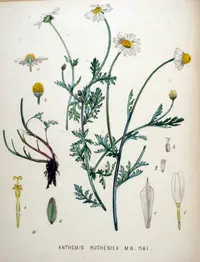
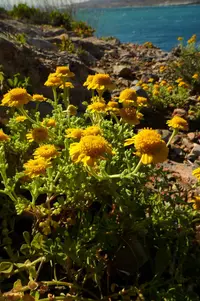
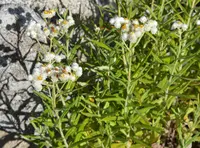
Manzanilla de Escombreras, Anthemis chrysantha, is a small annual daisy from very restricted coastal areas in southeast Spain and nearby North Africa. It forms low, bushy clumps with finely divided, fern-like foliage and bright yellow, chamomile-like flower heads. In nature it grows on rocky, salty slopes and disturbed coastal soils, often in full sun and exposed conditions. This background makes it adapted to dryness, poor substrates, and high light, but less suited to humid or poorly drained sites. Gardeners who want to care for manzanilla de Escombreras should provide strong light, lean, well-drained soil, and moderate but not excessive watering.

Main Plant Requirements

Care Difficulty

Hard Care

Light Preference

Full Sun

Water Requirements

Low Water

Temperature Preference

Warm Climate

Hardiness Zone

9–11

Soil Texture

Sandy, Rocky, Loamy

Soil pH

Slightly alkaline (7.0–7.5), Alkaline (7.5–8.5)

Soil Drainage

Well-drained

Fertilization

Minimal (feed rarely)

Get Personalized Care Plan

Scan your plant to receive care tips personalized for your specific plant

Available on iOS and Android

How to Care for the manzanilla de Escombreras

This coastal chamomile prefers bright, direct sun similar to its native Mediterranean cliffs.

  • Provide 6–8 hours of full sun daily; in very hot inland sites, aim for full morning sun with light afternoon shade to prevent scorching.
  • The plant tolerates light partial shade (around 3–4 hours direct sun) but flowering of manzanilla de Escombreras will be reduced and stems may stretch.
  • In winter, choose the sunniest, south- or west-facing exposure available, avoiding heavy shade from buildings or evergreen trees.

This species prefers dry to slightly moist conditions and is sensitive to prolonged wetness.

  • Allow the top 3–5 cm of soil to dry between waterings; in well-drained, sandy or rocky soil this often means long gaps without added water once established.
  • Increase watering only during extended hot, dry periods if foliage begins to droop and lower leaves crisp, indicating drought stress.
  • Watch for yellowing, soft stems or a sour smell in the root zone as signs of overwatering and poor drainage, and improve runoff rather than adding more water.

This Mediterranean annual is adapted to mild, relatively dry, coastal climates.

  • Optimal growth occurs around 60–75°F (16–24°C), with strongest performance in cool to warm, not hot, conditions during its active season.
  • Plants tolerate brief dips to about 32°F (0°C) but are damaged by hard frost; in frost-prone areas, grow during the frost-free period only.
  • Heat above 86–90°F (30–32°C) can shorten flowering and stress plants, so combine full sun with airy exposure and sharply drained soil in hot summers.

This Mediterranean annual or short-lived perennial handles low to moderate humidity without special care.

  • Target 30–50% humidity, similar to most heated indoor or dry coastal outdoor conditions.
  • Tolerates dry air well; manzanilla de Escombreras rarely shows humidity stress unless roots are also too dry.
  • Watch for crispy leaf tips and slowed growth in very hot, dry wind, then give light shade and more frequent watering.
  • Increase local humidity only in extreme heat by grouping plants or using a nearby tray of water, not by misting.

This species prefers very free-draining, low-organic mineral soil that mimics rocky coastal habitats.

  • Use a sandy or gritty mix such as 50–60% coarse sand or fine gravel with 40–50% loam-based potting soil to keep structure open.
  • Ensure rapid drainage; water should clear the surface within seconds and not leave the mix soggy or compacted.
  • Keep pH slightly alkaline to neutral, around 7.0–8.0, by including crushed limestone chips or a small amount of garden lime if your mix is acidic.
  • Avoid heavy, peat-dominant, or clayey substrates that stay wet, and improve aeration further with 10–20% perlite or pumice if water lingers.

This species can be grown in containers if the pot and substrate stay sharply drained and not waterlogged.

  • Choose a wide, shallow container that allows its fibrous roots to spread horizontally rather than deeply, which reflects its natural rocky habitat.
  • Use a heavier terracotta or stone pot when growing outdoors in windy spots so the plant’s bushy top growth does not tip the container.
  • Raise the pot slightly on feet or spacers so drainage holes stay clear and runoff leaves the container area quickly after rain or watering.

Anthemis chrysantha is adapted to nutrient-poor, rocky soils and needs only light feeding in cultivation.

  • Use a low-dose balanced fertilizer (around 5-5-5 NPK) or a thin layer of well-rotted compost in spring to support caring for manzanilla de Escombreras.
  • Feed once at the start of the main growing season; extra applications usually encourage weak, lush growth instead of compact plants.
  • Dilute liquid fertilizer to 25–50% strength and apply to moist soil to reduce root burn risk.
  • Stop feeding in late summer and avoid fertilization during winter dormancy, especially in cool climates.

Pruning Anthemis chrysantha focuses on keeping plants compact and encouraging continued flowering.

  • In late winter or very early spring, remove dead, damaged, or diseased stems with clean, sharp scissors or hand pruners.
  • Lightly trim back leggy, crowded growth after the first flowering flush to maintain a low, bushy shape.
  • Deadhead spent flower stalks during the season to promote additional blooms and limit self-seeding.
  • Avoid cutting into old, woody crowns; retain healthy green shoots to ensure strong regrowth.

This species is usually grown in the ground, so care focuses on careful transplanting rather than frequent repotting.

  • Transplant in early spring or early autumn, when temperatures are mild and soil is workable.
  • Choose a sharply drained, sandy or gritty soil and a sunny, open site to reduce transplant shock and root rot risk.
  • Move only young plants; older clumps dislike disturbance, so leave them undisturbed unless growth declines or centers die out.
  • Water lightly after transplanting, keep soil just barely moist, and avoid heavy overhead watering while new roots establish.

Propagation of Anthemis chrysantha is most reliable from seed, with some potential for careful division of young plants.

  • Sow fresh seed in late winter or early spring in a gritty, free-draining mix, keeping it just barely moist and in bright light.
  • Maintain a cool to mild temperature range (55–68°F) for germination, avoiding waterlogging and high humidity.
  • For division, split only small, vigorous clumps in early spring, keeping as much root and surrounding soil intact as possible.

Anthemis chrysantha is not very frost tolerant and benefits from basic winter protection in colder regions.

  • In climates with frost, grow in well-drained, raised beds or containers to keep roots drier in winter.
  • Apply a light, dry mulch around but not over the crown to buffer short cold spells while preventing rot.
  • In containers, move plants to a cold, bright, frost-free spot and water sparingly so the soil stays almost dry.

Care Tips

Promote compact growth

Pinch back young shoot tips once or twice early in the season to encourage low, branching plants that resist wind damage and flower more evenly.

Use gritty mulch

Apply a thin mulch layer of coarse sand or fine gravel around the crown to keep the root zone cool, reduce soil splash on foliage, and mimic the plant’s natural rocky habitat.

Prevent waterlogging

If planting in heavy soil, mound up a raised ridge or berm 10–15 cm high so excess water drains away from the crown and reduces the risk of root and crown rot.

Time seed collection

Allow a few flower heads to dry fully on the plant, then collect seed on a dry day and store it in paper envelopes in a cool, airy place for short-term use in conservation or propagation when growing manzanilla de Escombreras.

Wind exposure management

In very exposed sites, position plants near low rocks or use discreet, low stakes to break wind force without shading the plant, helping stems stay upright and intact.

Common Pests and Diseases

Aphids

This pest feeds on tender shoots and flower stalks, sucking sap and causing distortion of young growth and sticky honeydew on foliage. Symptoms include curling leaves, stunted stems, and reduced flowering in dry, sheltered sites.

Solution

Rinse colonies off stems and flower stalks with a firm stream of water, then inspect regularly and repeat as needed. If populations persist, spot-treat clusters with insecticidal soap or a light horticultural oil, applied in the early morning to avoid stressing the plant in strong sun.

Powdery mildew

This disease produces a white, powdery film on leaves and stems, especially in crowded, humid, or poorly ventilated plantings. Symptoms include dull, discolored foliage that may yellow and age prematurely, reducing the ornamental value and vigor of the plant.

Solution

Improve air circulation by thinning nearby vegetation and avoiding overhead watering, especially late in the day. Remove and discard heavily infected leaves, and if needed apply a sulfur-based or bicarbonate fungicide labeled for ornamentals at the first appearance of the white coating.

Botrytis blight

This disease causes soft, water-soaked spots on flower heads and foliage that quickly develop gray, fuzzy mold, particularly under cool, humid, coastal conditions. Symptoms include browning flower petals, collapsing buds, and rotting stem bases around dense growth.

Solution

Promptly remove and discard all affected flowers and plant debris, keeping the crown area clear and dry. Reduce overhead irrigation, water early in the day, and in persistent cases use a targeted botrytis fungicide on susceptible plantings, following label rates and ensuring good coverage of buds and lower stems.

Leaf spot

This disease produces small brown to dark spots on leaves, sometimes with a yellow halo, which may merge into larger blotches during wet periods. Symptoms include premature leaf drop and thinning foliage on older parts of the plant.

Solution

Collect and discard fallen leaves and prune out heavily spotted foliage to reduce inoculum. Water at soil level, avoid wetting the leaves, and if spotting progresses under prolonged wet weather, apply a copper-based or other labeled foliar fungicide, spacing treatments according to label directions.

Interesting Facts

Micro‑endemic distribution

This species is naturally restricted to a handful of tiny coastal sites in southeast Spain and a single locality in northwest Algeria, making its native range one of the most geographically limited among Mediterranean daisies.

Annual life strategy

It lives as a small winter–spring annual, germinating with cooler, wetter conditions, then flowering and completing its life cycle before intense summer drought, an adaptation to highly seasonal Mediterranean climates.

Gypsum coastal specialist

Wild populations typically grow on gypsum-rich coastal soils and rocky maritime slopes, tolerating high salinity, wind exposure, and thin, nutrient-poor substrates that exclude many competing plants.

Botan icon

Did you know?

Anthemis chrysantha is classified as Critically Endangered on the IUCN Red List because several of its natural populations occur within a single industrial harbor complex near Cartagena, Spain, where intensive habitat management and translocation programs have been set up specifically to prevent its extinction in the wild.

FAQs about manzanilla de Escombreras

This species forms small, low clumps and does not spread aggressively. It is slow-growing, short-lived, and typically stays where it is planted, making it suitable for carefully managed rock gardens or conservation plantings.

Grow Healthy Plants with Botan Care

Keep your plants happy and healthy with plant identification, disease detection, and easy care guidance.

Botan plant care app — identify plants on mobile

Explore More Plants