Use Pinching Cycles
Pinch out the soft shoot tips when stems reach 10–15 cm, then again 3–4 weeks later, to create a compact, heavily branching plant with a denser canopy of flower buds.

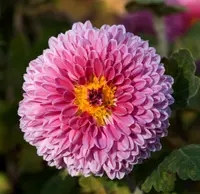
Florist's daisy, Chrysanthemum × morifolium, is a compact, bushy flowering plant widely used for indoor decoration and seasonal displays. It produces dense mounds of bright blooms in many colors, with divided, slightly aromatic leaves.
This hybrid chrysanthemum was developed from Asian garden species rather than occurring naturally in the wild. It is grown worldwide in greenhouses and gardens for its long-lasting flowers.
The plant prefers bright light, even moisture, and a well-drained, fertile potting mix. Its short blooming window indoors and need for good light make it moderately demanding, so learning how to care for florist's daisy helps maintain attractive, long-lasting plants.

Care Difficulty
Moderate Care

Light Preference
Full Sun

Water Requirements
Regular Water

Temperature Preference
Cool Climate

Hardiness Zone
5–9

Soil Texture
Loamy, Sandy, Organic-rich

Soil pH
Acidic (5.5–6.5), Slightly acidic (6.5–7.0)

Soil Drainage
Moist but well-drained

Fertilization
Moderate (every 2–4 weeks)
Scan your plant to receive care tips personalized for your specific plant
Available on iOS and Android
Chrysanthemum × morifolium needs bright conditions to build strong, flower-producing growth.
This species prefers evenly moist, well-drained soil that never stays soggy for long periods.
Stable, moderate temperatures support compact growth and reliable flowering in florist's daisy.
This species prefers moderate humidity and reacts if air is too dry for long periods.
Chrysanthemum × morifolium grows best in slightly acidic, well‑structured, fast‑draining soil.
This species is very suitable for container growing on patios, balconies, and entrances.
Nutrient-rich but well-balanced feeding supports compact growth and abundant blooms in florist's daisy.
Targeted pruning keeps Chrysanthemum × morifolium compact and encourages dense flowering.
Container-grown plants benefit from periodic repotting to maintain vigorous growth and flowering.
This plant is commonly renewed by division and stem cuttings to maintain strong, uniform clumps.
Cold tolerance varies by cultivar, so winter care focuses on protecting roots and crowns from repeated freeze–thaw cycles.

Plant Health Check
Not sure what's wrong with your plant? Check your plant's health inside the app.
This chrysanthemum is a classic short-day plant, forming flower buds only when nights are long enough, which is why commercial growers control day length with blackout curtains and artificial lighting to time flowering for specific holidays.
It is not a wild species but a long-domesticated hybrid complex derived mainly from several East Asian Chrysanthemum species, selected over centuries for diverse flower forms such as pompon, spider, and anemone types.
Laboratory studies, including early NASA research, have shown that potted plants of this chrysanthemum can remove certain volatile organic compounds such as benzene and formaldehyde from sealed test chambers, although this effect is much weaker in typical home conditions.

In parts of East Asia, especially Japan and China, garden forms of this plant have been developed into exhibition cultivars with blooms trained to astonishing sizes and shapes, and specialized chrysanthemum shows and competitions have existed for several centuries to display and judge these highly refined forms.
Lack of flowering is usually caused by insufficient light, too much heat, or excessive nitrogen fertilizer. Old, crowded plants may also bloom poorly. Pinching early in the season and providing cool nights often improves bud formation and display.
Keep your plants happy and healthy with plant identification, disease detection, and easy care guidance.