Sea Chamomile Care (Anthemis maritima)

Sea Chamomile

About Sea Chamomile

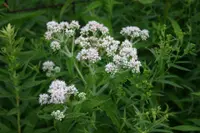
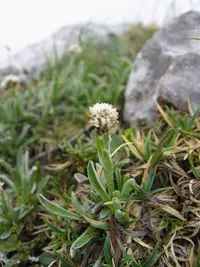
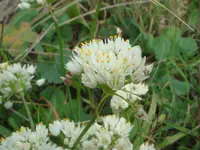
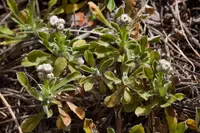
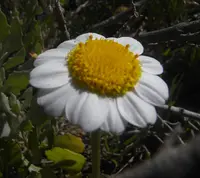
Sea chamomile, Anthemis maritima, is a low, spreading perennial from coastal regions of southern Europe and North Africa. It often forms small mats or loose cushions. Its foliage is finely divided, grey-green, and aromatic when touched, while the plant produces daisy-like yellow and white flowers through the warmer months. It naturally colonizes sandy, salty shores and dunes, which makes it well adapted to wind, sun, and poor, fast-draining soils. These traits generally make it a resilient choice in dry, coastal or rock gardens, provided it has strong light and no standing water. Gardeners who understand how to care for Sea Chamomile usually find it undemanding over time.

Main Plant Requirements

Care Difficulty

Easy Care

Light Preference

Full Sun

Water Requirements

Low Water

Temperature Preference

Warm Climate

Hardiness Zone

8–11

Soil Texture

Sandy, Loamy, Rocky

Soil pH

Slightly acidic (6.5–7.0), Slightly alkaline (7.0–7.5)

Soil Drainage

Well-drained

Fertilization

Minimal (feed rarely)

Get Personalized Care Plan

Scan your plant to receive care tips personalized for your specific plant

Available on iOS and Android

How to Care for the Sea Chamomile

This coastal perennial thrives in bright, open sites with plenty of sun exposure.

  • Provide 6–8 hours of direct sun daily; full sun promotes compact growth and abundant flowers in Sea Chamomile.
  • Tolerates light afternoon shade, especially in hotter regions, but flowering will decrease in sites receiving less than 4–5 hours of direct sun.
  • In winter, avoid deep shade from buildings or shrubs; in very hot summers, slight midday filtering reduces leaf scorch while keeping strong morning sun.

This species prefers drier conditions and is adapted to sandy, fast-draining coastal soils.

  • Allow the top 3–5 cm of soil to dry before watering; the plant should never sit in waterlogged ground.
  • During active growth, water thoroughly but infrequently, then let excess drain away; reduce watering in cool or rainy seasons to prevent root rot in Anthemis maritima.
  • Signs of overwatering include limp, yellowing foliage and blackened stem bases, while crisp, browning leaf tips and drooping stems usually indicate prolonged drought.

This Mediterranean coastal plant handles a wide temperature range but dislikes prolonged hard frost.

  • Optimal growth occurs around 60–75°F (16–24°C), with flowering best in mild, sunny conditions and moderate humidity.
  • Established plants usually tolerate short dips to about 20–25°F (-6 to -4°C), but repeated freezes below this can damage crowns and roots.
  • In summer, plants cope with 85–95°F (29–35°C) if soil is well drained and not waterlogged; extended heat above this may reduce flowering and stress foliage.

This coastal species handles typical indoor humidity and does not need special humidity management.

  • Target 30–50% humidity, similar to most heated or air-conditioned homes.
  • Dry air is usually tolerated, but prolonged exposure near heating vents may cause leaf tip browning and reduced flowering.
  • If air is extremely dry, briefly group Sea Chamomile with other plants away from drafts rather than misting leaves.

This species prefers light, fast-draining soil that mimics sandy coastal conditions.

  • Use a sandy or gritty mix, such as 50–60% coarse sand or grit with 40–50% loam-based potting mix, to keep roots aerated.
  • Ensure very sharp drainage; water should pass through within seconds and not leave the mix soggy.
  • Aim for slightly alkaline to neutral pH around 7.0–7.8, which suits Anthemis maritima and supports strong growth.
  • Avoid dense, clay-heavy, or peat-heavy substrates; lighten any compact mix with extra coarse sand or fine gravel to improve structure.

This species adapts well to container growing in sunny outdoor locations.

  • Select a low, wide container so the spreading root system anchors the plant and the top growth does not make the pot unstable in wind.
  • Choose terracotta or other porous materials to allow faster moisture loss, preventing the constantly wet conditions that encourage root problems.
  • Raise the pot on feet or bricks so drainage holes clear quickly after rain and salty residues from tap water do not accumulate around the base.

This coastal perennial grows best with light feeding in poor to moderately fertile soils.

  • Use a balanced, low-strength liquid fertilizer (for example 10-10-10 at 1/2–1/4 label strength) for Sea Chamomile in containers.
  • Feed every 4–6 weeks during the main growing season if growth looks pale or weak.
  • Apply a thin layer of compost around in-ground plants in spring instead of frequent liquid feeding.
  • Stop feeding in late summer and avoid fertilizing in winter dormancy.

Anthemis maritima responds well to light pruning that maintains compact growth and sustained flowering.

  • Use clean hand pruners or scissors to remove dead, damaged, or diseased stems whenever noticed.
  • Shear back spent flower stems by 1/3 after the main bloom to encourage rebloom and denser growth.
  • In late winter or very early spring, lightly trim leggy or tangled shoots to refine shape.
  • Avoid cutting into old, woody bases; focus on green, active growth for best recovery.

This species is more often transplanted in the garden than repotted long-term in containers.

  • Transplant in early spring or early fall, when temperatures are mild and soil is workable.
  • Move plants if growth is stunted, roots circle the pot, or soil dries out very quickly.
  • Lift with a wide root ball, disturb roots as little as possible, and replant at the same depth in well-drained soil.
  • Water thoroughly after planting, then keep soil lightly moist until new growth shows reduced transplant stress.

Anthemis maritima is commonly propagated by seed, division, or soft cuttings.

  • Sow seeds in spring on the surface of well-drained mix, keeping them lightly covered and at 60–70°F.
  • Divide mature clumps in early spring, retaining several shoots and roots on each section.
  • Take 5–8 cm softwood cuttings in late spring, using a gritty, free-draining medium and high light without direct midday sun.
  • Maintain even moisture and good airflow to limit rot while roots or new shoots establish.

This coastal plant is fairly cold tolerant in mild climates and usually needs minimal winter care.

  • In-ground plants in frost-free or light-frost areas typically overwinter without protection.
  • In colder regions, apply a light, dry mulch around the root zone to moderate soil temperature.
  • Container plants in regions below about 20°F should be moved to a bright, cool, frost-free spot for winter.

Care Tips

Improve Coastal Drainage

In heavy or compact coastal soils, plant on a low mound or raised bed with added grit so the root zone never sits in standing water after storms or high tides.

Use Gravel Mulch

Apply a 2–3 cm layer of sharp gravel or coarse sand around the crown to keep foliage dry, reduce splashing of fungal spores, and mimic the plant’s natural sandy habitat.

Salt Spray Management

In exposed seaside gardens, lightly hose foliage with fresh water every few weeks during calm weather to rinse off accumulated salt without saturating the soil.

Controlled Self-Seeding

After flowering, leave a few spent flower heads on the plant to dry and drop seed where you want a naturalized patch, then deadhead the rest to prevent unwanted spread when growing Sea Chamomile.

Winter Crown Protection

In areas with wet, cool winters, place a loose ring of coarse grit or small stones around the crown in late fall to keep it slightly raised and protect it from rot during prolonged rain.

Common Pests and Diseases

Aphids

This pest feeds on young stems and flower buds, sucking sap and causing distortion, sticky honeydew, and reduced flowering. Symptoms include curled growth and the presence of small soft-bodied insects clustered on tender parts of the plant.

Solution

Spray colonies off stems and buds with a firm stream of water, then treat remaining insects with insecticidal soap or a light horticultural oil, ensuring thorough coverage of undersides of leaves. Encourage natural predators such as lady beetles outdoors and avoid high-nitrogen fertilization that promotes very soft, aphid-prone growth.

Leafhoppers

These insects feed by piercing and sucking on foliage, causing pale stippling, yellow speckling, and sometimes distortion of the fine, feathery leaves. Symptoms include sudden fading or a bleached appearance on exposed foliage, especially in warm, dry weather.

Solution

Reduce numbers by using a strong water spray on foliage and removing nearby weedy hosts that shelter adults. For persistent infestations, apply insecticidal soap or neem oil in the evening, focusing on the undersides of leaves and repeating as needed while maintaining good plant vigor through moderate watering and full-sun exposure.

Powdery mildew

This disease produces white, powdery growth on leaves and stems, which can lead to yellowing, premature leaf drop, and reduced flowering in dense clumps. Symptoms include a dusty coating on older foliage, especially in humid conditions with poor air movement.

Solution

Improve airflow by thinning congested stems and avoiding overhead watering, then remove and discard heavily infected leaves. If conditions stay humid, apply a sulfur-based or potassium bicarbonate fungicide labeled for ornamentals, making sure the foliage dries quickly after each treatment to limit further spread.

Botrytis blight

This disease causes browning and soft decay of flower heads and nearby stems, often covered with gray fuzzy mold in cool, damp weather. Symptoms include flower petals that brown from the edges inward and fail to open fully.

Solution

Remove and discard all affected flower heads and any soft, moldy tissue, and avoid overhead watering or prolonged wetting of blooms. Improve air circulation, reduce crowding around the plant, and, if needed, apply a labeled fungicide for gray mold at the first sign of spotting on buds during extended wet or cool periods.

Interesting Facts

Specialist coastal species

This species is naturally restricted to sandy and rocky seashores of southwestern Europe and parts of North Africa, where it grows very close to the tide line and tolerates salt spray that would kill many other daisies.

Salt and sand tolerance

It shows pronounced halophytic adaptations, meaning it can cope with salty conditions, wind abrasion, and partial burial in sand, which allows it to stabilize fragile coastal dune and cliff-edge habitats.

Compact, cushion-like habit

In its native coastal environment it often forms low, dense mounds rather than tall stems, an adaptation that reduces wind damage and water loss in exposed maritime sites.

Botan icon

Did you know?

This species is an important component of several protected coastal plant communities in Europe, and in some regions its natural populations are monitored as indicators of the ecological health and stability of dune and maritime cliff ecosystems.

FAQs about Sea Chamomile

This species forms low, spreading mats but is not usually aggressive in well-drained, poor soils. It can self-seed and slowly expand. Edging, gravel paths, or containers help keep clumps within their designated area.

Grow Healthy Plants with Botan Care

Keep your plants happy and healthy with plant identification, disease detection, and easy care guidance.

Botan plant care app — identify plants on mobile

Explore More Plants