


Rocky mulch layer
Top-dress around the crowns with a thin layer of coarse gravel or small rocks to keep leaf rosettes dry at the base and reduce crown rot in wet spells.

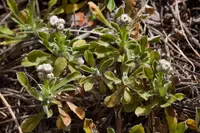
Whitemargin pussytoes (Antennaria marginata) is a low-growing, mat-forming perennial often used as a groundcover in rock gardens and dry landscapes. It forms tight carpets of small, gray-green leaves edged with pale or white margins, topped in season by short stems bearing soft, button-like white flower clusters.
This species is native to dry, rocky slopes and open mountain areas of western North America, where it tolerates poor soils and strong sun. Its drought tolerance and slow, controlled spread make it relatively easy to care for whitemargin pussytoes in well-drained soil with full sun and low to moderate moisture.

Care Difficulty
Easy Care

Light Preference
Full Sun

Water Requirements
Low Water

Temperature Preference
Cold Hardy

Hardiness Zone
3–8

Soil Texture
Sandy, Loamy, Rocky

Soil pH
Slightly acidic (6.5–7.0), Neutral (7.0)

Soil Drainage
Well-drained

Fertilization
Minimal (feed rarely)
Scan your plant to receive care tips personalized for your specific plant
Available on iOS and Android
Antennaria marginata thrives in bright, open sites that mimic its native rocky habitats.
This species prefers dry, well-drained conditions and suffers more from excess moisture than from brief dryness.
This alpine species is strongly cold tolerant but appreciates moderate temperatures during active growth.
This species prefers dry air and usually needs no special humidity management.
This alpine species needs very well-drained, lean soil to prevent root rot.
This species can grow in containers if drainage is excellent and the mix stays dry between waterings.
Antennaria marginata is adapted to lean, rocky soils and usually needs only minimal feeding in gardens.
Antennaria marginata benefits from light, periodic pruning to maintain a compact, tidy mat.
This species is most often grown in rock gardens or groundcover plantings, so care focuses on transplanting rather than frequent repotting.
New plants are commonly produced by division, with seed and cuttings as secondary options for Antennaria marginata.
This alpine perennial is cold hardy and typically needs little specialized winter care in most temperate climates.

Plant Health Check
Not sure what's wrong with your plant? Check your plant's health inside the app.
This species is naturally restricted to high-elevation limestone and dolomite scree slopes in the Rocky Mountains and adjacent ranges, where it anchors loose, shifting gravel with a dense mat of roots and stolons.
Its leaves have a distinctive white, thickened margin and are densely woolly on the underside, features that reduce water loss and reflect intense alpine sunlight in its exposed habitats.
Male and female flowers occur on separate plants, with male heads often slightly more rounded and female heads more cylindrical, a trait that promotes cross-pollination by small insects in harsh alpine conditions.

Antennaria marginata often forms natural hybrids with closely related Antennaria species where their ranges overlap, creating locally distinctive cushion-like colonies that can be difficult for botanists to assign confidently to a single species.
This species forms slow, low mats by short stolons, but it is not aggressive. It gradually fills gaps in lean, well-drained sites. Edging, rocks, or paths easily confine it, so routine division is usually optional.
Keep your plants happy and healthy with plant identification, disease detection, and easy care guidance.

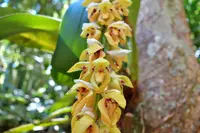
Bulbophyllum occlusum
Bulbophyllum occlusum
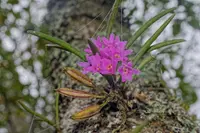
Holcoglossum pumilum
Holcoglossum pumilum
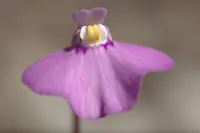
Utricularia uniflora
Utricularia uniflora
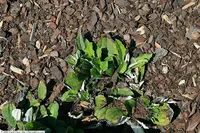
Parlin's pussytoes
Antennaria parlinii
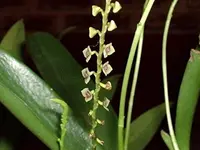
silvery stelis
Stelis argentata
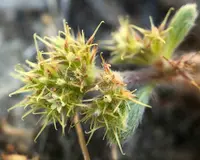
prostrate spineflower
Chorizanthe procumbens
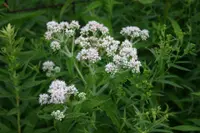
common boneset
Eupatorium perfoliatum
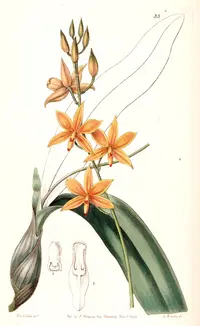
Prosthechea vitellina
Prosthechea vitellina