prostrate spineflower Care (Chorizanthe procumbens)

About prostrate spineflower

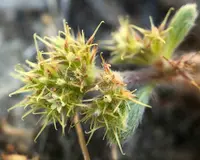
Prostrate spineflower, Chorizanthe procumbens, is a low-growing annual wildflower native to dry, open habitats in the western United States. It typically forms small, spreading mats close to the ground, with tiny clustered flowers surrounded by spiny bracts. These spines give the plant a somewhat prickly look and help protect the seeds. The plant is adapted to sandy or rocky, well-drained soils and survives on limited moisture.

Because it is drought tolerant and completes its life cycle quickly, it can be relatively easy to maintain in suitable conditions. Those who want to learn how to care for prostrate spineflower should focus on providing strong light, good drainage, and avoiding overwatering.

Main Plant Requirements

Care Difficulty

Moderate Care

Light Preference

Full Sun

Water Requirements

Low Water

Temperature Preference

Warm Climate

Hardiness Zone

8–10

Soil Texture

Sandy, Loamy, Rocky

Soil pH

Slightly acidic (6.5–7.0), Neutral (7.0)

Soil Drainage

Well-drained

Fertilization

Minimal (feed rarely)

Get Personalized Care Plan

Scan your plant to receive care tips personalized for your specific plant

Available on iOS and Android

How to Care for the prostrate spineflower

This low-growing annual prefers open, bright sites with plenty of sun exposure.

  • Provide 6–8 hours of direct sun daily; light morning sun plus early afternoon sun suits prostrate spineflower in most coastal and inland areas.
  • Plant in an open location rather than dense shade; it tolerates very light, dappled shade but becomes sparse and weak in less than 4 hours of sun.
  • In very hot inland summers, slight afternoon shade helps prevent leaf scorch and moisture stress, especially on shallow, sandy or rocky soils.

This species is adapted to dry, well-drained soils and low to moderate natural rainfall.

  • Allow the top 3–5 cm of soil to dry completely between waterings; the surface should look pale and feel gritty before adding water.
  • Water deeply but briefly so excess drains quickly; Chorizanthe procumbens is prone to root problems in compacted or poorly drained clay.
  • Reduce or stop supplemental watering once plants are established and seasonal rains end; wilting that persists into cool evening hours signals that the soil is too dry.

This native annual thrives in mild to warm conditions typical of Mediterranean-type climates.

  • Optimal growth occurs around 60–80°F (16–27°C), with best germination and early growth in the cooler part of this range.
  • Plants tolerate brief drops near 32°F (0°C) once established, but hard frost below 28°F (-2°C) can damage foliage and kill young seedlings.
  • During hot spells above 90°F (32°C), survival improves with sharply drained soil and some afternoon shade, especially on exposed inland sites.

This species is adapted to dry, open habitats and does not have demanding humidity requirements.

This annual prefers poor, sharply drained substrates typical of sandy or gravelly coastal or inland sites.

  • Use a very sandy or gravelly mix with minimal organic matter, such as 60–80% coarse sand or grit blended with a lean loam.
  • Ensure extremely rapid drainage; water should pass through within seconds and not leave the soil feeling sticky or compacted.
  • Aim for slightly acidic to neutral pH around 6.0–7.0, avoiding limed or strongly alkaline mixes unless matching local native conditions.
  • Avoid dense clay, peat-heavy, or water-retentive potting mixes, and improve aeration with extra grit or small gravel if necessary for Chorizanthe procumbens plant care.

This low, spreading species can be grown in containers if its preference for fast-draining, lean conditions is respected.

  • Choose a wide, shallow container so the prostrate stems can spread without shading the crown or trapping excess moisture.
  • Select unglazed clay or terracotta pots to increase evaporation and reduce the risk of prolonged wetness around the roots.
  • Raise the pot on feet or bricks outdoors so runoff drains freely and the drainage holes never sit in collected water.

This native annual prostrate spineflower usually needs minimal fertilization, especially in lean, well-drained soils.

  • If container-grown or in very poor soil, apply a light, balanced NPK fertilizer (such as 10-10-10) once at the start of active spring growth.
  • Use at 1/2–1/4 label strength to avoid excessive foliage and weak, lanky stems.
  • Organic compost or a thin top-dressing of low-nutrient native soil mix is often sufficient.
  • Do not feed in late fall or winter, when growth slows or the plant has completed its annual life cycle.

Chorizanthe procumbens needs only light pruning to keep the low mat tidy and healthy.

  • Best time is late winter to very early spring, before strong new growth begins.
  • Remove dead, damaged, or diseased stems with clean, sharp scissors or small snips.
  • Thin crowded or overly dense patches to maintain air flow and the flat, spreading habit.
  • Avoid heavy cutting into green, actively growing tissue, which can reduce flowering display.

This species is usually grown in the ground, so focus on careful transplanting rather than frequent repotting.

  • Transplant in early to mid spring, once frost risk has passed and soil is workable.
  • Move plants only when young; older specimens resent disturbance and may decline.
  • Choose a sunny site with sharply drained, sandy or gravelly soil to limit transplant shock.
  • Water lightly after transplanting, then allow soil to dry between light irrigations to help roots establish without rotting.

Chorizanthe procumbens is most practically propagated by seed rather than vegetative methods.

  • Collect seed from mature, dry seed heads at the end of the growing season.
  • Sow seeds in fall or very early spring onto gritty, well-drained soil, barely covering them.
  • Provide full sun and keep the mix just slightly moist until germination, then reduce watering.
  • Direct sowing outdoors in the final site usually produces stronger plants than transplanting seedlings.

This native annual in mild climates typically requires little specific winter care once seeds have set and the plant dies back.

  • In regions with light frost, seeds generally overwinter in the soil without extra protection.
  • Avoid heavy winter mulches that can hold excess moisture over the seedbed.
  • Container-grown plants in colder climates can be allowed to complete their life cycle, then seed saved and stored cool and dry for spring sowing.

Care Tips

Sand mulch band

Apply a 1–2 cm band of coarse sand or fine gravel around plants to limit weed competition, keep the stem base dry, and mimic the well-drained, sparsely vegetated habitats this species prefers.

Gentle surface disturbance

Lightly rake or scuff the top 0.5–1 cm of soil in late winter before germination to break surface crusts and create small niches that help new seedlings establish without burying existing plants.

Patch renewal sowing

Collect seed from the driest, best-flowering plants and broadcast it back into thin or bare spots at the end of the dry season to maintain a dense, self-sustaining patch over several years when growing prostrate spineflower.

Low-profile protection

Use low, open cloches or short mesh tunnels during establishment in high-traffic areas to protect the low, sprawling stems from foot traffic and pet damage while still allowing full light and air movement.

Targeted companion spacing

Plant only very shallow-rooted, low-growing natives at least 15–20 cm away so they provide visual interest and light shade without outcompeting this plant’s shallow root system for water and nutrients.

Common Pests and Diseases

Aphids

This pest feeds on young stems and inflorescences, sucking sap and causing distortion and yellowing of new growth. Symptoms include sticky honeydew on stems and associated sooty mold on nearby surfaces.

Solution

Dislodge colonies with a firm stream of water and remove heavily infested flowering stems. In small plantings, use insecticidal soap or a ready‑to‑use neem oil spray directed at undersides of stems and flower clusters, applying in the early morning and repeating weekly until populations drop.

Cutworms

These insects are nocturnal caterpillars that chew through young prostrate stems at or just above soil level, leading to sudden collapse of individual patches. Symptoms include severed shoots and missing low foliage near the soil surface.

Solution

Hand-pick caterpillars at dusk or after dark using a flashlight and remove plant debris where larvae hide during the day. In areas with repeated damage, place low collars or small stones around the plant base to create a physical barrier and, if needed, apply a soil-surface bait formulated specifically for cutworms following label directions.

Fusarium wilt

This disease is caused by soil-borne Fusarium fungi that invade the vascular tissue, blocking water movement. Symptoms include one-sided wilting, progressive yellowing, and eventual death of individual stems despite adequate soil moisture.

Solution

Remove and discard affected plants including as much root material as possible and avoid replanting in the same exact spot with other susceptible natives. Improve drainage, avoid overwatering, and keep irrigation water off stems; in restoration or nursery settings, use clean pots and sterile substrate to reduce pathogen buildup.

Powdery mildew

This disease appears as a white, powdery film on leaves and young stems, usually in mild, dry conditions with high humidity at night. Symptoms include dull, chlorotic foliage and reduced vigor in dense groundcover patches.

Solution

Increase spacing and airflow around plants and avoid overhead watering that prolongs leaf wetness. Remove and discard heavily affected stems, and if needed apply a sulfur or potassium bicarbonate fungicide labeled for native forbs, treating during cooler parts of the day to prevent leaf burn and following all label instructions.

Interesting Facts

Sand specialist

This prostrate spineflower is naturally adapted to loose, sandy soils along the California coast and coastal sage scrub, where its low, spreading habit and fine roots help stabilize shifting substrates.

Seasonal life strategy

It is an annual plant that germinates with cool-season rains, grows and flowers in spring, then sets seed and dies back before the hottest, driest part of summer.

Barbed protective bracts

The tiny flower clusters are surrounded by spiny, barbed bracts that help deter small herbivores and may also aid in seed dispersal when the dried structures catch on passing animals.

FAQs about prostrate spineflower

This species performs best outdoors in full sun and well-drained, often sandy or rocky soil. Indoors it tends to stretch, weaken, and decline due to lower light, so prostrate spineflower indoor care is rarely successful long term.

Grow Healthy Plants with Botan Care

Keep your plants happy and healthy with plant identification, disease detection, and easy care guidance.

Botan plant care app — identify plants on mobile

Explore More Plants