


Deadhead In Stages
Remove only the spent individual flower stalks first, then cut back the whole flowering stem once most blooms are finished, which prolongs flowering while still allowing the plant to regroup for the next season.

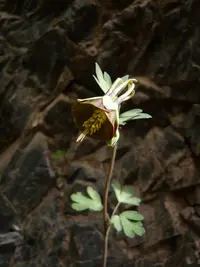
Green-flowered columbine (Aquilegia viridiflora) is a compact, clump-forming perennial grown mainly for its unusual greenish, nodding flowers. The blooms are small, often tinged with purple or brown, and appear above delicate, fern-like foliage.
This species is native to parts of East Asia, where it grows in meadows, open woodland, and rocky slopes. It generally prefers cool conditions, light shade, and well-drained but evenly moist soil.
Aquilegia viridiflora is moderately easy to grow if given protection from extreme heat and very wet or very dry soil. Gardeners who learn how to care for Green-flowered Columbine usually find it reliable once established.

Care Difficulty
Moderate Care

Light Preference
Partial Shade

Water Requirements
Moderate Water

Temperature Preference
Cold Hardy

Hardiness Zone
3–8

Soil Texture
Loamy, Sandy, Organic-rich

Soil pH
Acidic (5.5–6.5), Slightly acidic (6.5–7.0)

Soil Drainage
Moist but well-drained

Fertilization
Minimal (feed rarely)
Scan your plant to receive care tips personalized for your specific plant
Available on iOS and Android
This woodland perennial prefers cool, bright conditions with some protection from intense sun.
This species prefers evenly moist, well-drained soil that never stays soggy for long periods.
This cold-hardy perennial grows best in cool to mild climates with moderate summer heat.
This species handles a wide humidity range and rarely needs special adjustments outdoors.
Aquilegia viridiflora prefers loose, humus-rich soil that drains freely yet holds moderate moisture.
This plant can be grown in containers for a few seasons if moisture and root space are managed carefully.
This woodland perennial needs only modest feeding, as Green-flowered Columbine prefers soils that are not overly rich.
Pruning Aquilegia viridiflora focuses on deadheading and tidying rather than heavy reshaping.
This species is usually grown in garden beds, so transplanting is more common than true repotting.
Propagation relies mainly on seed, as division can stress mature plants and reduce vigor.
This hardy perennial usually needs little winter care in temperate climates.

Plant Health Check
Not sure what's wrong with your plant? Check your plant's health inside the app.
This species is one of the few columbines with predominantly green to greenish-brown flowers, a coloration thought to be linked to adaptation to specific, often low-competition niches in its native Asian habitats.
In the wild it often grows in rocky, well-drained mountain habitats and stays notably compact compared with many other columbine species, which makes it suitable for rock gardens and trough plantings.
The nodding, spurred flowers are structured to present nectar at the tips of the spurs, favoring long-tongued pollinators such as certain bees and moths that can access the nectar while transferring pollen between blooms.

This species shows considerable natural variation in flower color intensity and patterning, and some wild populations display subtle brown or purple suffusion over the green petals and sepals, which has been used as a trait in breeding ornamental columbine cultivars.
Yes. The nodding, tubular flowers produce nectar that attracts bumblebees, other native bees, and sometimes small butterflies. Leaving spent stems until seeds mature also supports wildlife by providing food for seed-eating insects and small birds.
Keep your plants happy and healthy with plant identification, disease detection, and easy care guidance.

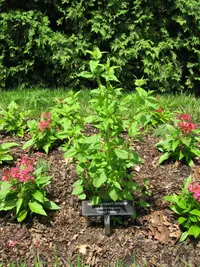
Mexican giant hyssop
Agastache mexicana
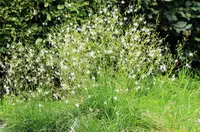
Branched St Bernard's lily
Anthericum ramosum
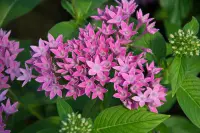
Egyptian starcluster
Pentas lanceolata
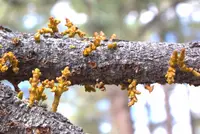
pineland dwarf mistletoe
Arceuthobium vaginatum
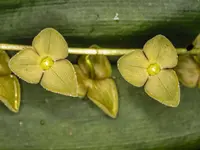
Stelis superbiens
Stelis superbiens
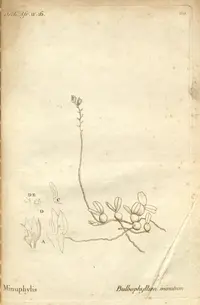
Bulbophyllum minutum
Bulbophyllum minutum
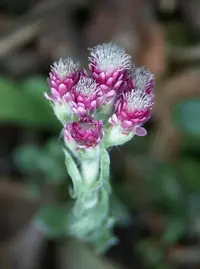
stoloniferous pussytoes
Antennaria dioica
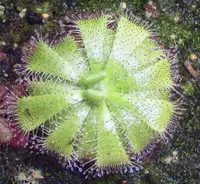
Floating Sundew
Drosera admirabilis