Carpathian everlasting Care (Antennaria carpatica)

Carpathian everlasting

About Carpathian everlasting

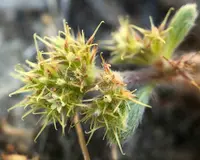
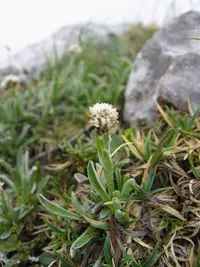
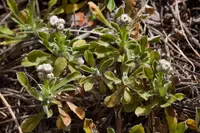
Carpathian everlasting, Antennaria carpatica, is a low, mat-forming perennial from mountain regions of Eastern Europe. It belongs to the daisy family and stays compact and tidy. The plant forms dense clumps of silvery to gray-green leaves, topped with small, white, button-like flower heads that resemble tiny dried blooms. It is often used as a ground cover in rock gardens and between stones. This species is adapted to harsh, exposed sites, which makes it generally resilient and suitable for beginners who want to care for Carpathian everlasting. It prefers sunny, well-drained, rather poor soils and does not tolerate heavy, waterlogged conditions.

Main Plant Requirements

Care Difficulty

Easy Care

Light Preference

Full Sun

Water Requirements

Low Water

Temperature Preference

Cold Hardy

Hardiness Zone

3–7

Soil Texture

Sandy, Loamy, Rocky

Soil pH

Acidic (5.5–6.5), Slightly acidic (6.5–7.0)

Soil Drainage

Well-drained

Fertilization

Minimal (feed rarely)

Get Personalized Care Plan

Scan your plant to receive care tips personalized for your specific plant

Available on iOS and Android

How to Care for the Carpathian everlasting

This alpine perennial prefers bright, open conditions that mimic sunny mountain slopes.

  • Provide 6–8 hours of direct sun daily, with morning and midday sun ideal; light afternoon shade helps in hot summer regions.
  • Tolerates light or dappled shade for part of the day, but flowering and compact growth decline if it receives under 4–5 hours of sun.
  • In very hot climates, protect Carpathian everlasting from intense late-afternoon sun to reduce leaf scorch and soil moisture stress.

This drought-tolerant mat-former prefers careful, infrequent watering once established.

  • Allow the top 3–5 cm of soil to dry fully before watering; the foliage should feel dry and the soil no longer cool to the touch.
  • Water more often only during the first growing season or in prolonged summer drought, then reduce frequency in cool or rainy periods.
  • Use sharply drained, gritty soil to prevent soggy roots; yellowing, soft foliage indicates overwatering, while limp, curling leaves signal underwatering.

This hardy groundcover thrives in cool to moderately warm outdoor conditions.

  • Optimal growth occurs around 60–75°F (16–24°C), typical of mild spring and early summer weather in many temperate regions.
  • Antennaria carpatica tolerates winter cold down to about -20°F (-29°C) with good drainage, remaining dormant but surviving beneath snow.
  • Heat tolerance is moderate; in prolonged periods above 85°F (29°C), combine light afternoon shade with mulch to keep roots cooler and reduce stress.

Humidity is rarely a concern for Antennaria carpatica, which prefers dry, airy conditions.

  • Ideal humidity is 30–50%, similar to most heated indoor or outdoor environments in temperate regions.
  • Tolerates very dry air; issues arise more from excess moisture than from low humidity.
  • If foliage rots or stays damp and gray, reduce nearby watering and increase air movement rather than adding humidity.

Antennaria carpatica prefers lean, sharply drained soil that mimics rocky alpine conditions.

  • Use a sandy or gritty loam with low to moderate organic matter to prevent waterlogging around the roots.
  • Aim for slightly acidic to neutral pH, roughly 6.0–7.0, which supports steady nutrient uptake without excess growth.
  • Blend 50–70% mineral material (coarse sand, fine gravel, or grit) with 30–50% composted bark or light compost for structure.
  • Avoid heavy clay, peat-heavy mixes, or spots where water lingers after rain, as poor drainage quickly leads to root rot.

This species is suitable for container growing, especially in shallow, well-drained pots.

  • Choose a wide, shallow container to match its low, spreading habit and keep the root zone from staying wet.
  • Use a gritty mix and raise the pot slightly on feet or bricks so drainage holes never sit in collected water.
  • Select unglazed clay if conditions are damp, as its porous walls let excess moisture evaporate faster than plastic.

This alpine perennial needs only light feeding to maintain compact, healthy growth.

  • Apply a balanced, slow-release fertilizer (around 10-10-10) once in early spring as new growth begins.
  • For poor soils, top-dress with a thin layer of compost instead of heavier NPK doses.
  • Use fertilizers at 1/2 strength to avoid lush, floppy growth that weakens the mat.
  • Stop feeding Carpathian everlasting by late summer and do not fertilize during winter dormancy.

Light pruning keeps Antennaria carpatica dense, tidy, and flowering well.

  • Shear back spent flower stems in late spring or early summer to encourage a neater cushion and possible rebloom.
  • Remove dead, damaged, or winter-burned foliage in early spring using clean, sharp scissors or hand pruners.
  • Thin out any crowded, woody patches to improve air flow and reduce fungal problems.
  • Avoid cutting into very old, bare centers; instead, trim lightly and rejuvenate by division if needed.

This mat-forming perennial is usually grown in the ground and only sometimes in containers.

  • Plan transplanting or repotting in early spring or early fall, when temperatures are mild.
  • Look for tight root mats, roots circling the pot, or stalled growth as signs a container plant needs attention.
  • Transplant into gritty, sharply drained soil at the same depth, handling the shallow root system gently to limit stress.
  • Water thoroughly after moving, then keep soil lightly moist (not wet) for 1–2 weeks while roots re-establish.

Antennaria carpatica is commonly multiplied by seed and by careful division.

  • Divide mature clumps in early spring, lifting sections with roots and replanting them immediately into well-drained soil.
  • Sow seeds on the surface of a gritty mix in spring; they need light to germinate, so do not cover heavily.
  • Keep seed trays just moist and in bright, cool conditions around 60–65°F until seedlings appear.
  • Space young plants to allow good air flow, which supports strong, low growth.

This species is generally cold hardy in temperate climates and needs minimal winter care outdoors.

  • Tolerates frost and snow when planted in sharply drained soil, which prevents crown and root rot.
  • In very cold or exposed sites, apply a light gravel or bark mulch around, not over, the crown to buffer freeze–thaw cycles.
  • Move container-grown plants to a sheltered, unheated area to avoid waterlogged, frozen roots while still allowing cold dormancy.

Care Tips

Spring gravel mulch

Apply a thin 0.5–1 in layer of coarse gravel or grit around the crowns in spring to keep foliage dry at the base, reduce crown rot, and suppress competing weeds without trapping excess moisture.

Encourage dense mats

After flowering, lightly shear back spent flower stems and any straggly runners to stimulate tighter, denser mats that outcompete weeds and create a more uniform groundcover.

Controlled division timing

Divide older clumps only every 3–4 years in early spring, replanting shallowly so crowns sit just at or slightly above soil level, which maintains vigor without exposing the plant to heaving or rot.

Alkalinity maintenance

In neutral or acidic soils, top-dress with a small amount of horticultural lime every 2–3 years and lightly fork it into the top 2–3 in to keep pH slightly alkaline, which supports compact growth and better flowering when growing Carpathian everlasting.

Winter drainage check

Before winter, confirm that planting sites are slightly raised or on a gentle slope and add extra grit if necessary so melting snow and winter rain drain away quickly from the crowns, reducing the risk of freeze–thaw damage and root loss.

Common Pests and Diseases

Powdery mildew

This disease appears in humid, stagnant air as a white, powdery film on leaves and stems, which can cause yellowing and reduced vigor. Symptoms include a dusty coating that often starts on older foliage in dense mats of Antennaria carpatica.

Solution

Remove and discard affected leaves to reduce spore load, then improve air circulation by thinning crowded clumps and avoiding overhead watering. If conditions stay humid, apply a sulfur or potassium bicarbonate fungicide labeled for ornamentals, following label directions and treating in dry, mild weather.

Leaf spot

This disease causes small brown, tan, or purplish spots on the leaves, sometimes with a yellow halo, especially in prolonged wet or cool weather. Symptoms include spotting that can merge into larger blotches, making the foliage look patchy and unattractive.

Solution

Trim off and discard affected foliage, then water at soil level so leaves dry quickly and avoid evening watering. In beds with a history of issues, space plants for better airflow and use a copper-based or chlorothalonil fungicide if new spots continue to appear under cool, wet conditions.

Aphids

These insects feed on young shoots and flower stems, sucking sap and distorting new growth while leaving sticky honeydew on foliage. This pest is often found clustered on stems and the undersides of leaves of compact mats like Carpathian everlasting.

Solution

Rinse colonies off with a firm stream of water, repeating every few days until populations drop. For persistent infestations, use insecticidal soap or a light horticultural oil, making sure to coat stems and leaf undersides and to avoid spraying in hot sun above 85°F.

Spider mites

These pests thrive in hot, dry conditions and feed by piercing leaf cells, leading to fine stippling, dull grayish foliage, and sometimes delicate webbing. This pest is more likely when Carpathian everlasting is grown in very dry, exposed rock gardens or on south-facing slopes.

Solution

Increase humidity around plants with occasional overhead rinsing in the morning and hose off foliage to dislodge mites. If damage continues, apply insecticidal soap or a miticidal horticultural oil to both sides of leaves, repeating at 5–7 day intervals as the product label directs.

Interesting Facts

High mountain specialist

This species is native to the Eastern Carpathians, where it grows on open, rocky alpine and subalpine slopes with thin, fast-draining soils and high light exposure.

Dioecious flower heads

The plant is dioecious, meaning male and female flowers occur on separate plants, and its small woolly flower heads rely mainly on wind for pollen transfer in exposed mountain habitats.

Woolly leaf adaptation

Its silvery, densely hairy leaves reduce water loss and protect tissues from intense alpine sunlight and cold, functioning as a natural insulation layer.

Botan icon

Did you know?

The species name carpatica directly reflects its strong geographic link to the Carpathian Mountains, where it forms low, mat-like patches that help stabilize fragile alpine substrates and create microhabitats for tiny invertebrates and other rock-dwelling plants.

FAQs about Carpathian everlasting

This species forms low, slowly expanding mats through short stolons. It is not usually aggressive in well-drained, lean soils. In richer or very open sites, monitor and edge clumps every few years to keep it contained.

Grow Healthy Plants with Botan Care

Keep your plants happy and healthy with plant identification, disease detection, and easy care guidance.

Botan plant care app — identify plants on mobile

Explore More Plants