Rock mulch use
Apply a thin layer of coarse gravel or small rocks around the crowns to keep foliage dry at the base, limit weed competition, and mimic the sharp drainage of its natural alpine habitat.

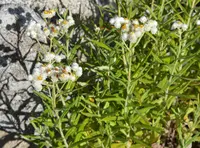
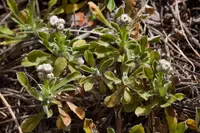
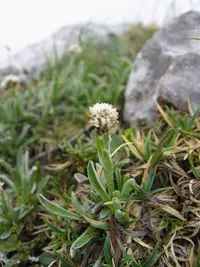
Woolly pussytoes (Antennaria lanata) is a low, mat-forming perennial groundcover in the aster family. It is valued for its dense, silvery foliage and soft, fuzzy texture. Small, button-like flower clusters rise slightly above the foliage in spring to early summer, giving a subtle, meadow-like look rather than showy blooms. In the wild it occurs in dry, open, often rocky habitats in colder regions of North America. This background makes it drought tolerant and suited to poor, well-drained soils. Once established, it is relatively easy to maintain, especially in sunny spots with minimal competition from taller plants, and understanding how to care for woolly pussytoes mainly involves avoiding excess moisture and shade.

Care Difficulty
Easy Care

Light Preference
Full Sun

Water Requirements
Low Water

Temperature Preference
Cold Hardy

Hardiness Zone
2–7

Soil Texture
Sandy, Loamy, Rocky

Soil pH
Slightly acidic (6.5–7.0), Neutral (7.0)

Soil Drainage
Well-drained

Fertilization
Minimal (feed rarely)
Scan your plant to receive care tips personalized for your specific plant
Available on iOS and Android
This alpine perennial prefers bright, direct light in open, exposed sites.
This species is strongly drought-tolerant and prefers dry, fast-draining conditions.
This cold-hardy groundcover tolerates wide temperature swings when provided with sharp drainage.
This species prefers dry air and rarely needs humidity adjustments indoors or outdoors.
This alpine-style perennial prefers very lean, sharply drained soil.
This species can grow in containers if the pot is set up to mimic dry, rocky ground.
This alpine native stays compact and healthy with minimal feeding, especially in poor, well-drained soils.
Antennaria lanata needs only light pruning to keep its mats tidy and healthy.
This species is usually grown in the ground or rock gardens, with transplanting done only when necessary.
Antennaria lanata is commonly propagated by division and sometimes from seed to expand groundcover patches.
This cold-hardy perennial generally needs little winter attention in its outdoor range.

Plant Health Check
Not sure what's wrong with your plant? Check your plant's health inside the app.
This species often grows in low, dense cushions that trap a thin layer of warmer air and reduce wind exposure, an effective adaptation to tundra and alpine conditions in its native range.
Antennaria lanata is dioecious, meaning male and female flowers occur on separate plants, which promotes cross‑pollination by wind and small insects in its open, windswept habitats.
The thick, felted hairs on its gray‑white leaves reduce water loss and reflect intense sunlight, helping the plant tolerate cold, dry, and high‑UV environments common in northern and high‑elevation sites.
This species spreads slowly by short stolons, forming low, tidy mats rather than running aggressively. It can gradually fill gaps in rock gardens or dry borders but rarely becomes a nuisance in well-managed plantings.
Keep your plants happy and healthy with plant identification, disease detection, and easy care guidance.