Goeppertia macrosepala Care

Goeppertia macrosepala

About Goeppertia macrosepala

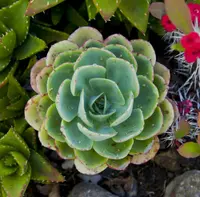
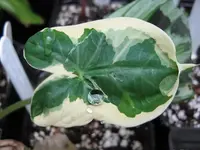
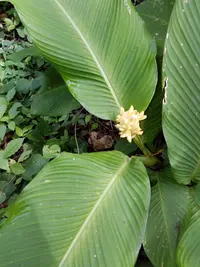
Goeppertia macrosepala is a tropical, clump-forming foliage plant grown mainly for its patterned leaves and compact habit. It belongs to the prayer plant group, known for leaves that slightly move with light changes. Native to humid forest understories in South America, it prefers stable warmth, soft light, and evenly moist conditions. It typically stays low and bushy, making it suitable for tabletops or indoor groupings. This species is considered moderately demanding, as it reacts to low humidity, cold drafts, and irregular watering with leaf browning or curling. Learning how to care for Goeppertia macrosepala is helpful for anyone who enjoys decorative foliage but is ready to offer a bit more attention.

Main Plant Requirements

Care Difficulty

Moderate Care

Light Preference

Bright Indirect Light

Water Requirements

Keep Soil Moist

Temperature Preference

Tropical / Frost Sensitive

Hardiness Zone

11–12

Soil Texture

Loamy, Peaty, Organic-rich

Soil pH

Acidic (5.5–6.5)

Soil Drainage

Moist but well-drained

Fertilization

Light (every 4–6 weeks)

Get Personalized Care Plan

Scan your plant to receive care tips personalized for your specific plant

Available on iOS and Android

How to Care for the Goeppertia macrosepala

This species prefers bright, gentle light that mimics a shaded tropical forest floor.

  • Provide 6–8 hours of bright, filtered light each day, such as light through sheer curtains or under high, bright shade outdoors.
  • Tolerates partial shade, but in very low light leaves may lose pattern contrast and new growth may slow for Goeppertia macrosepala.
  • Avoid direct midday and afternoon sun, which can scorch leaves; soft morning sun for 1–2 hours is acceptable, especially in winter.

This plant prefers evenly moist, not soggy, soil with slight surface drying between waterings.

  • Water when the top 2–3 cm of soil feel dry, using enough water so that excess drains away and the entire root zone is moistened.
  • Reduce frequency in winter when growth slows, but do not allow the soil to dry out completely or leaves may curl and feel papery at the edges.
  • Watch for yellowing, limp leaves as a sign of overwatering and consistently dry, crispy tips as a sign the plant is staying too dry.

Consistent warm temperatures support steady growth and prevent leaf damage.

  • Keep daytime temperatures around 70–80°F (21–27°C) and night temperatures near 65–72°F (18–22°C) for best growth.
  • Protect from cold; growth slows below about 60°F (16°C) and tissue damage can occur near 50°F (10°C), especially with drafts or sudden drops.
  • In hotter periods above 85°F (29°C), increase humidity and airflow while avoiding hot, direct sun, as overheating plus low moisture can cause leaf edge browning.

This species needs consistently high humidity to maintain healthy foliage.

  • Aim for 60–75% humidity; leaves curl, brown at edges, or develop crispy tips when air stays drier.
  • Keep the plant away from heating or AC vents that create constant dry airflow around the foliage.
  • Increase humidity with a nearby humidifier, grouped plants, or a pebble tray that allows evaporation without the pot sitting in water.

Goeppertia macrosepala prefers a loose, airy, organic-rich substrate that stays lightly moist but never heavy or waterlogged.

  • Use a peat- or coco-based mix with added perlite and fine orchid bark to keep the texture open and springy.
  • Ensure fast drainage so excess water exits within seconds, preventing oxygen-poor, compacted conditions that promote root rot.
  • Aim for slightly acidic to neutral pH (6.0–7.0), avoiding strongly alkaline mixes that can lock up nutrients and cause leaf yellowing.
  • Improve aeration by avoiding dense garden soil and by increasing perlite or bark content if the pot feels heavy long after watering.

This species adapts well to container growing in homes and sheltered patios.

  • Choose a pot just 2–4 cm wider than the root mass so moisture dries evenly instead of lingering around sparse roots.
  • Select a stable, heavier container if foliage becomes wide and top-heavy to reduce the risk of tipping when the substrate is moist.
  • Opt for glazed ceramic or plastic pots when indoor air is dry, as these retain moisture longer than unglazed terracotta.

Nutrient support helps Goeppertia macrosepala maintain steady foliage growth in containers.

  • Use a balanced liquid fertilizer (around 10-10-10 or 20-20-20) diluted to 1/4–1/2 strength for each feeding.
  • Apply every 4–6 weeks during spring and summer when growth is active, on already moist soil to avoid root burn.
  • Skip or reduce feeding to once in the entire period during fall and winter as growth slows.
  • Organic options like light compost tea or a mild slow-release fertilizer can be used sparingly at the start of the growing season.

Pruning is light and mainly cosmetic for Goeppertia macrosepala, aimed at maintaining tidy foliage.

  • Trim dead, yellowing, or damaged leaves at the base year-round using clean, sharp scissors or snips.
  • In early spring, remove crowded or misshapen leaves to improve air circulation and overall plant shape.
  • Cut above the soil line without damaging emerging shoots to preserve new growth points.
  • Disinfect tools before and after use to limit transmission of fungal or bacterial problems.

Container-grown plants benefit from careful repotting to support healthy root development.

  • Plan to repot every 2–3 years in spring when new growth starts, choosing 1–2 in wider pots with good drainage.
  • Check for roots circling the pot, growing through drainage holes, or unexplained slow growth as signs repotting is needed.
  • Gently loosen and untangle circling roots, remove a small amount of old soil, and replant at the same depth in fresh, airy mix.
  • Water thoroughly after repotting, then keep the plant in bright, indirect light and slightly higher humidity to reduce transplant stress.

Division is the standard method for propagating Goeppertia macrosepala in home conditions.

  • Divide clumps in spring when repotting, selecting healthy plants with several stems or shoots.
  • Remove the plant from the pot and gently tease apart natural clumps, keeping several roots and at least one growing point per division.
  • Plant each division in a small pot with moist, well-drained, peat-free mix and firm gently around the roots.
  • Maintain warm conditions around 70–80°F, high humidity, and stable moisture until new leaves appear, indicating establishment.

Indoor Goeppertia macrosepala needs stable, warm conditions over winter rather than heavy protection.

  • Keep temperatures around 65–75°F and avoid placing the plant near cold drafts, heaters, or single-pane windows.
  • Move any outdoor containers indoors before temperatures drop near 55°F, providing bright, indirect light.
  • Reduce watering slightly in winter, allowing the top layer of soil to dry, but never letting the root ball become fully dry.
  • Maintain humidity at 50–60% with a pebble tray or humidifier to limit leaf edge browning in heated rooms.

Care Tips

Rotate for symmetry

Rotate the pot 90° every 2–3 weeks to keep the foliage evenly distributed and prevent the plant from leaning toward a single light source.

Use wide, low pots

Select a shallow, wide container rather than a deep, narrow one to accommodate the plant’s spreading rhizomes and reduce the risk of waterlogged lower roots.

Top-dress annually

Once a year gently scrape away 1–2 cm of the old surface mix and replace it with fresh, airy potting mix to renew nutrients without disturbing the root system.

Quarantine new plants

Keep any new tropical houseplants at least 2–3 weeks in a separate area and inspect the leaf undersides regularly before placing them nearby to reduce pest transfer when caring for Goeppertia macrosepala.

Boost airflow gently

Run a small fan on a low, indirect setting in the room to keep air moving around the foliage, which helps reduce fungal leaf spotting while avoiding direct drafts on the plant.

Common Pests and Diseases

Spider mites

This pest thrives in warm, dry indoor air and feeds on the thin, patterned leaves, causing tiny pale speckles, dulling of color, and fine webbing on leaf undersides.

Solution

Rinse foliage thoroughly with lukewarm water, including leaf undersides, then increase humidity to 60–70% and reduce heat stress. For persistent infestations, apply a dilute insecticidal soap or neem oil spray every 5–7 days, isolating the plant until new growth appears clean.

Fungus gnats

These insects develop in chronically damp potting mix and are attracted to the consistently moist conditions favored in Goeppertia macrosepala care, with adults flying around the pot and larvae feeding on fine roots and decaying organic matter.

Solution

Allow the top 2–3 cm of soil to dry slightly between waterings, improve drainage, and remove any moss or debris on the soil surface. Use yellow sticky traps for adults and a biological control such as Bacillus thuringiensis israelensis (BTI) drenches to reduce larvae populations.

Leaf spot

This disease appears as small, water-soaked or brown spots that may have a yellow halo, often starting on older or lower leaves where moisture lingers after watering or misting.

Solution

Remove and discard affected leaves, avoid wetting the foliage, and improve air circulation around the plant while keeping it out of drafts. If new spots continue to develop, use a copper-free, broad-spectrum houseplant fungicide according to label directions and space plants farther apart.

Edema

Symptoms include small, corky blisters or raised rough patches on the lower leaf surface, caused by roots taking up water faster than the plant can transpire in low light and high humidity conditions.

Solution

Reduce watering frequency so the top layer of mix dries slightly, and increase light to bright, indirect levels while maintaining stable temperatures around 70–80°F. Ensure the pot has drainage holes and avoid sudden shifts from very humid to very dry air.

Thrips

These insects rasp the leaf surface, causing silvery streaks, fine scarring, and distorted new leaves, which is especially noticeable on the broad, patterned foliage of this species.

Solution

Isolate the plant, rinse leaves thoroughly, and prune heavily damaged foliage. Follow with repeated applications of insecticidal soap or neem oil every 5–7 days, and consider introducing predatory mites or minute pirate bugs if the plant is in a larger collection prone to thrips issues.

Interesting Facts

Distinctive macrosepals

The name macrosepala refers to this species’ relatively large, persistent sepals, which remain noticeable around the base of the flowers longer than in many related Goeppertia species.

Subtle forest-floor flowers

In its native Atlantic Forest habitats in Brazil, this plant produces small, pale inflorescences close to the soil surface, an adaptation suited to low light conditions under dense tree canopies.

Patterned photosynthetic leaves

The leaves show a clear contrast between the patterned upper surface and usually paler underside, optimizing light capture and reflection in shaded tropical understories while also aiding in camouflage among forest litter.

FAQs about Goeppertia macrosepala

This species suits indoor decoration due to its patterned foliage, compact size, and preference for stable, warm conditions. It performs well in bright interiors away from drafts, which makes Goeppertia macrosepala indoor care manageable for most households.

Grow Healthy Plants with Botan Care

Keep your plants happy and healthy with plant identification, disease detection, and easy care guidance.

Botan plant care app — identify plants on mobile

Explore More Plants