Common Vingerpol Care (Euphorbia braunsii)

Common Vingerpol

About Common Vingerpol

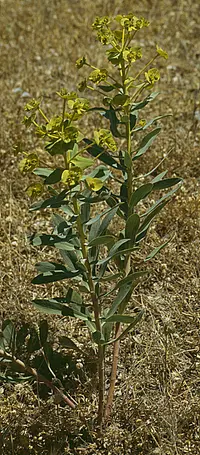
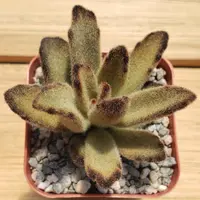
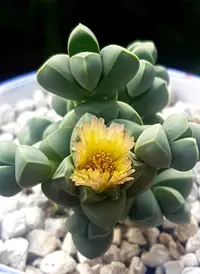
Common Vingerpol (Euphorbia braunsii) is a small, drought-tolerant succulent shrub with thick, often branching stems and small, sparse leaves. It stays compact, which makes it suitable for container growing indoors or in dry, mild outdoor climates.

This species is native to arid regions of southern Africa, where it grows in rocky, well-drained soils and intense sun. Its slow growth and tolerance of dry air make it relatively easy to manage, though it dislikes overwatering and poorly drained mixes.

Bright light, infrequent but deep watering, and gritty soil are usually enough to care for Common Vingerpol successfully.

Main Plant Requirements

Care Difficulty

Moderate Care

Light Preference

Full Sun

Water Requirements

Low Water

Temperature Preference

Tropical / Frost Sensitive

Hardiness Zone

10–11

Soil Texture

Sandy, Loamy, Rocky

Soil pH

Slightly acidic (6.5–7.0), Neutral (7.0)

Soil Drainage

Well-drained

Fertilization

Minimal (feed rarely)

Get Personalized Care Plan

Scan your plant to receive care tips personalized for your specific plant

Available on iOS and Android

How to Care for the Common Vingerpol

This compact succulent prefers bright, indirect light with some direct sun to maintain its tight form and coloration.

  • Provide 4–6 hours of direct morning sun or late-afternoon sun, with bright filtered light during midday to prevent scorching of stems.
  • Common Vingerpol tolerates light partial shade, but in less than 3–4 hours of direct or strong indirect light it may stretch and lose its compact shape.
  • In summer, harden plants off before full outdoor sun exposure; in winter, move closer to bright windows or use supplemental light if days are very short.

This species has low water demand and stores moisture in its succulent tissues.

  • Allow the top 3–5 cm of soil to dry completely before watering; in hot active growth periods this may mean watering roughly every 10–21 days, depending on pot size and climate.
  • Use a gritty, fast-draining succulent mix and let excess water drain freely; soggy soil, yellowing, and soft stems indicate overwatering and possible root rot.
  • In winter dormancy, reduce watering sharply, giving only light sips when stems begin to slightly wrinkle, as Euphorbia braunsii is sensitive to cold, wet conditions.

This drought-adapted Euphorbia prefers warm, dry conditions and does poorly in prolonged cold.

  • Aim for 70–85°F (21–29°C) during active growth, with good airflow and low to moderate humidity to reduce fungal problems.
  • Protect from temperatures below 40°F (4°C); brief dips to 35–40°F (2–4°C) may be tolerated if soil is completely dry, but any frost can damage tissues.
  • In very hot weather above 95°F (35°C), give light shade during peak midday sun and avoid watering soil that is extremely hot to prevent root stress.

This drought-adapted succulent handles typical indoor humidity well, so humidity control is rarely critical.

  • Aim for 30–50% humidity; dry household air suits Euphorbia braunsii better than very humid rooms.
  • The plant tolerates brief dips below 30%, but prolonged high humidity can promote stem rot and fungal spots.
  • Signs of humidity stress include soft, mushy stems or blackened lesions; improve airflow and reduce ambient humidity rather than adding moisture when this occurs.

This species needs a very fast-draining, mineral-based mix that prevents water from sitting around the roots.

  • Use a gritty cactus mix made from about 50–60% inorganic material such as pumice, coarse sand, or fine gravel, with 40–50% lean potting mix.
  • Keep structure open and airy; avoid dense, peat-heavy blends that compact and trap water around the root system.
  • Aim for slightly acidic to neutral pH, roughly 6.0–7.0, which suits Euphorbia braunsii and most other succulent euphorbias.
  • Improve drainage by adding extra pumice or perlite to any commercial cactus mix, and never add a water-holding layer like clay at the pot base.

This compact succulent is well suited to container growing.

  • Choose a pot just 2–4 cm wider than the root ball to limit excess wet substrate that can stay damp too long.
  • Select unglazed terracotta when possible, as its porous walls let moisture escape faster and reduce rot risk.
  • Place the container where it cannot be easily knocked over, since the plant’s heavy, water-storing stems can make small pots unstable.

This drought-tolerant succulent needs modest feeding, but light fertilization supports healthy growth of Common Vingerpol in containers.

  • Use a balanced liquid cactus or succulent fertilizer at 1/4–1/2 strength for Euphorbia braunsii.
  • Feed every 4–6 weeks during the active growing season in spring and summer only.
  • Avoid organic compost-heavy mixes that stay wet; prioritize mineral, free-draining substrates instead.
  • Stop feeding in fall and winter when growth slows, to prevent soft, weak tissue and root problems.

Euphorbia braunsii needs minimal pruning, mainly for safety, health, and shape control.

  • Carry out light pruning in late spring or early summer when growth is active.
  • Remove any dead, damaged, or diseased stems with clean, sharp scissors or pruners.
  • Thin congested stems slightly to improve air flow and maintain a compact, balanced form.
  • Avoid heavy cuts; the plant’s latex sap is irritating, so wear gloves and protect skin.

Container-grown plants benefit from careful, infrequent repotting to maintain drainage and root health.

  • Repot every 3–4 years, or when roots circle the pot, growth slows, or soil compacts strongly.
  • Choose late spring as the best time to shift Euphorbia braunsii into a slightly larger, shallow container.
  • Use a gritty cactus mix with extra mineral content to maintain rapid drainage and prevent root rot.
  • Water lightly after repotting, then keep soil just barely moist until new growth confirms recovery.

Propagation of this species is usually done in cultivation and is moderately straightforward with the right precautions.

  • Use stem cuttings in late spring to mid-summer when plants are actively growing.
  • Allow latex sap to dry, then let cut ends callus for several days in a shaded, airy place.
  • Insert cuttings into a sterile, gritty cactus mix and keep slightly warm and just barely moist.
  • Seed propagation is possible but slower; provide bright light, 70–75°F, and very free-draining soil.

This succulent prefers cool, dry winter conditions and has limited frost tolerance, especially in containers.

  • Keep above roughly 40°F; brief light frost may be tolerated but can scar tissue.
  • In cold climates, move pots indoors to a bright, cool, dry room before hard frost arrives.
  • Water very sparingly in winter, allowing the mix to dry fully between light waterings.
  • Outdoors in mild regions, ensure excellent drainage and avoid waterlogged soil around the crown.

Care Tips

Root zone shading

Place light-colored top dressing, such as fine grit or pumice, around the base of the plant to keep the shallow roots cooler and reduce moisture swings in small pots.

Controlled offset removal

When offsets crowd the main stem, remove a few with a sterile knife, allow cut surfaces to dry for 5–7 days, then replant in a gritty mix to maintain airflow and prevent rot around the mother plant.

Cold season protection

In regions with cool winters, move containers under a deep eave or into a bright, unheated porch before nights drop near freezing to avoid cold, wet soil that can damage the caudex and fine roots.

Copper mesh drainage

Line drainage holes with a small piece of copper mesh or a single flat shard to keep the gritty mix from escaping while still allowing fast water outflow, which supports long-term Euphorbia braunsii care.

Prevent sap contact

When pruning or taking cuttings, wear disposable gloves and keep paper towels ready to blot the white latex sap immediately, which reduces skin contact and helps the cut surface dry and callus more evenly.

Common Pests and Diseases

Spider mites

This pest thrives on Euphorbia braunsii in hot, dry indoor or greenhouse conditions and feeds on sap, causing fine stippling and dull, dusty-looking stems. Symptoms include very fine webbing between ribs and a general loss of vigor.

Solution

Rinse the plant thoroughly under a strong but controlled stream of lukewarm water, then increase humidity around (not on) the plant and improve air circulation. If activity persists, treat the stems with insecticidal soap or a neem oil solution every 5–7 days until no new damage appears, keeping products off the soil surface as much as possible.

Mealybugs

These insects hide in rib crevices and at the base of spines, feeding on sap and excreting sticky honeydew that can attract sooty mold. Symptoms include cottony white clusters and slowed or distorted new growth.

Solution

Remove visible clusters with a cotton swab dipped in alcohol and isolate the plant from others. Follow up with targeted applications of insecticidal soap or neem oil into crevices every 7–10 days, and inspect regularly for reinfestation, especially along the stem base and under the rim of the pot.

Scale insects

These insects appear as small, hard, brown or gray bumps along ribs and at branch junctions, where they remain fixed while drawing sap. Symptoms include yellowing patches on the stem and weak, stunted growth over time.

Solution

Gently scrape or pry individual scales off with a fingernail or soft tool and wipe the stem with an alcohol-dampened cloth. For persistent infestations, use repeated applications of horticultural oil or neem oil to smother remaining juveniles, and keep the plant in bright, airy conditions to support recovery.

Corky stem lesions

This disease presents as localized brown, dry, corky patches along ribs, often where minor physical injury or old mite damage occurred. Symptoms include rough, scar-like areas that may slowly expand but usually remain superficial if kept dry and well lit.

Solution

Remove any clearly softened or sunken tissue with a sterile blade, leaving only firm corky areas, and allow cuts to dry and callus fully in bright, indirect light. Reduce watering until the plant shows no spread of lesions, keep the stem surface dry, and improve airflow to limit secondary fungal colonization while monitoring for new spots.

Fungal stem rot

This disease affects Euphorbia braunsii when watering is excessive or drainage is poor, leading to soft, dark, collapsing sections of the stem starting near the base. Symptoms include a foul odor, rapid tissue collapse, and possible spread upward along the ribs.

Solution

Cut away all affected soft tissue well into firm, healthy green tissue using a sterile, sharp blade, then let the plant dry and form a callus in a warm, bright, airy place. Repot into a very fast-draining mineral-rich mix, water sparingly, and keep night temperatures above 60°F to help the plant reestablish while preventing new infections; severely affected plants may be saved by re-rooting only healthy top segments.

Interesting Facts

Namaqualand stone mimic

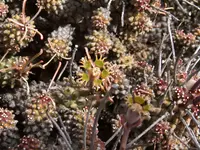
This species is endemic to the arid Namaqualand region of South Africa, where its low, compact stems and mottled coloration help it visually blend with surrounding stones and gravel.

Conical cyathia structure

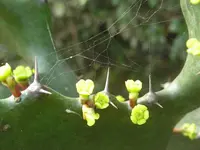
Its tiny inflorescences, called cyathia, are borne on short, conical stalks and mimic single flowers, a hallmark of the genus that is particularly pronounced in this species.

Succulent drought strategy

The plant stores water in its thickened, segmented stems and can retract slightly into the soil substrate during dry periods, an adaptation to highly seasonal winter-rainfall conditions.

FAQs about Common Vingerpol

This species is naturally slow-growing, especially from seed. Slow growth becomes more noticeable in cool temperatures, after repotting, or if slightly underfed. As long as new, firm segments appear each season, growth is usually normal for this plant.

Grow Healthy Plants with Botan Care

Keep your plants happy and healthy with plant identification, disease detection, and easy care guidance.

Botan plant care app — identify plants on mobile

Explore More Plants