McGregor Haworthia Care (Haworthia maraisii)

McGregor Haworthia

About McGregor Haworthia

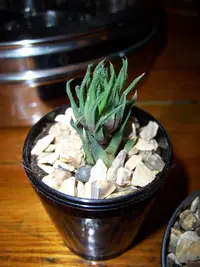
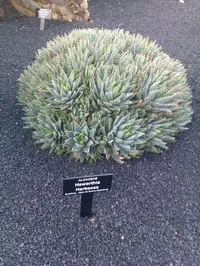
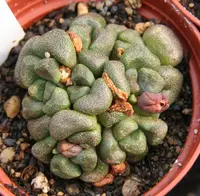
McGregor Haworthia (Haworthia maraisii) is a compact succulent from South Africa’s Western Cape, where it grows in rocky, well-drained habitats with strong light and limited water. It forms low rosettes of firm, triangular leaves, often dark green to brownish, with textured or slightly translucent surfaces.

Growth is slow, and plants stay small, which makes them suitable for windowsills, desks, and small containers. Their drought tolerance and modest light needs make them easier than many succulents for indoor growers.

Understanding how to care for McGregor Haworthia mainly involves providing bright, indirect light, letting the soil dry between waterings, and using a gritty mix that does not stay wet for long.

Main Plant Requirements

Care Difficulty

Easy Care

Light Preference

Bright Indirect Light

Water Requirements

Low Water

Temperature Preference

Tropical / Frost Sensitive

Hardiness Zone

10–11

Soil Texture

Sandy, Loamy, Rocky

Soil pH

Acidic (5.5–6.5), Slightly acidic (6.5–7.0)

Soil Drainage

Well-drained

Fertilization

Minimal (feed rarely)

Get Personalized Care Plan

Scan your plant to receive care tips personalized for your specific plant

Available on iOS and Android

How to Care for the McGregor Haworthia

This small succulent prefers bright, indirect light with gentle direct sun rather than harsh, all-day exposure.

  • Provide 4–6 hours of bright, filtered light or gentle morning sun; an east- or lightly shaded south-facing exposure suits McGregor Haworthia well.
  • Protect from intense midday and afternoon sun, which can cause bleaching, reddish stress coloration, or leaf scorching, especially behind glass.
  • In lower light or partial shade, growth slows and rosettes may stretch; move gradually to a brighter spot, and in winter shift closer to windows to compensate for shorter days.

This species stores water in its leaves and needs thorough but infrequent watering.

  • Water only when the top 3–5 cm of soil are completely dry, then moisten soil deeply and allow full drainage so no water remains standing around the roots.
  • Reduce watering sharply in winter, sometimes to once every 3–4 weeks, while in warm, bright months you may need to water more often if leaves begin to wrinkle slightly.
  • Watch for signs of overwatering such as yellowing, translucent, or mushy leaves, and adjust if soil stays wet longer than 3–4 days; use a very free-draining, gritty mix to protect Haworthia maraisii roots.

This compact succulent prefers moderate, stable temperatures without frost or extreme heat swings.

  • Aim for 65–80°F (18–27°C) during active growth, with slightly cooler nights improving overall vigor and reducing stress.
  • Protect from cold; Haworthia maraisii is best kept above 40°F (4°C) and should not be exposed to hard frost or prolonged temperatures below freezing.
  • In hot spells above 90°F (32°C), provide shade from intense sun, increase airflow, and avoid watering during peak heat to limit heat stress and root problems.

Haworthia maraisii handles typical indoor humidity well and rarely needs special adjustments.

  • Aim for 30–50% relative humidity, which matches most heated or air-conditioned homes.
  • Dry air is usually tolerated, but extreme, hot drafts can desiccate leaf tips over time.
  • If leaf tips shrivel while the soil is correctly watered, slightly increase local humidity with nearby trays of water or grouped plants when caring for McGregor Haworthia.

Haworthia maraisii needs a very fast-draining, mineral-based mix that keeps roots aerated.

  • Use a cactus or succulent base mix heavily amended with coarse sand, pumice, or perlite, aiming for a gritty texture with many air gaps.
  • Include only a small portion of organic material, such as fine bark or compost, to hold minimal moisture without becoming compacted.
  • Ensure water runs through the pot within seconds; if it lingers or the surface crusts, increase the proportion of mineral grit.
  • Keep soil slightly acidic to neutral, around pH 6.0–7.0, and avoid dense garden soil, peat-heavy mixes, or any medium that stays wet for long periods.

This species is very suitable for container growing, including small pots and shallow dishes.

  • Choose a pot only 1–2 in wider than the rosette to prevent large volumes of unused, wet mix around the roots.
  • Select unglazed terracotta if moisture needs to evaporate faster in a cool, low-light position, or plastic if conditions are very dry and bright.
  • Elevate the pot on feet or a stand so drainage holes remain clear and excess water can leave the container tray quickly after watering.

Haworthia maraisii needs only light feeding, as it stores nutrients efficiently in its succulent leaves.

  • Use a balanced liquid cactus fertilizer at 1/4–1/2 strength; avoid rich compost on this species.
  • Feed every 4–6 weeks in spring and summer when actively growing.
  • Skip or reduce feeding to 1 light application in fall; do not feed in deep winter dormancy.
  • For McGregor Haworthia indoor care, always apply fertilizer onto already moist soil to limit root burn.

Haworthia maraisii needs minimal pruning, focused mainly on cleanliness and maintaining rosette quality.

  • Carry out light pruning in spring or early summer when growth is strongest.
  • Remove dead, shriveled, or diseased leaves at the base using clean, sharp scissors or small pruners.
  • Trim off spent flower stalks at the soil line to keep the plant compact and reduce energy loss.
  • Thin crowded offsets only when needed to improve air flow and prevent rot between rosettes.

Repot Haworthia maraisii infrequently, as it prefers slightly tight containers and slow, steady growth.

  • Look for roots circling the pot, pushing through drainage holes, or very crowded offsets as repotting signals.
  • Plan to repot every 3–4 years in late spring, using a shallow pot with fast-draining cactus mix.
  • Lift the plant gently, loosen the root ball lightly, and remove old, soggy soil without tearing healthy roots.
  • After repotting, keep in bright shade for 5–7 days and water lightly to reduce transplant stress and rot risk.

Propagation of Haworthia maraisii is commonly done by division of offsets, with seed used mainly by collectors.

  • Best season is late spring to early summer, when temperatures and light are stable.
  • Gently detach offsets with some roots attached, using a sterile knife if needed.
  • Allow cut surfaces to dry 1–2 days, then plant in dry, gritty cactus mix and wait several days before watering.
  • For seeds, provide warm temperatures around 70–75°F, bright indirect light, and very well-drained, fine-textured substrate.

Haworthia maraisii is not frost hardy and benefits from careful winter management in most temperate climates.

  • Keep temperatures above 40°F; aim for 45–55°F during winter rest for best Haworthia maraisii plant care.
  • Move container plants indoors to a bright, cool windowsill before the first frost.
  • Water very sparingly, letting soil dry almost completely to prevent root rot in cold conditions.
  • Avoid cold drafts on foliage and do not place pots directly against very cold window glass.

Care Tips

Controlled clumping

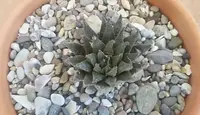
Rotate the pot a quarter turn every 2–3 weeks so the rosette develops evenly and offsets form in a balanced clump rather than leaning toward the light source.

Offset management

Lift and divide offsets only when they have at least 3–4 leaves and visible roots, and replant them in individual small pots to reduce rot risk and promote faster establishment.

Top-dressing use

Add a 0.5–1 cm layer of clean, coarse mineral top-dressing (such as pumice or fine gravel) to keep the crown dry, support the rosette, and reduce fungus gnat breeding in the upper soil layer.

Summer stress coloring

For subtle stress coloring, move the plant to slightly brighter, indirect light in late spring while keeping watering conservative, and monitor the leaves closely to stop before they shrivel or scorch.

Dormancy adjustment

In the hottest part of summer, expect a mild rest period and focus on how to take care of McGregor Haworthia by slightly increasing air movement and spacing pots farther apart to keep the rosettes cooler and drier at the base.

Common Pests and Diseases

Aloe mite

This pest causes distorted, warty, or swollen growths on leaves and in the rosette center due to microscopic gall-forming eriophyid mites. Symptoms include abnormal clumps of tissue, corky patches, and sometimes reddish or brown discoloration.

Solution

Remove and dispose of all affected leaf tissue and rosettes, cutting well into healthy tissue with a sterile blade, then discard in the trash, not compost. Isolate the plant, monitor nearby Haworthia and related succulents, and if new galls appear, treat the collection with a targeted miticide labeled for eriophyid mites while also improving light, airflow, and avoiding overhead watering to limit spread.

Mealybugs

These insects feed on leaf bases and roots, often hiding deep in the tight rosette and around offsets, leading to stunted growth and yellowing leaves. Symptoms include white cottony tufts in crevices, sticky honeydew, and sometimes sooty mold on affected areas.

Solution

Remove visible insects with a cotton swab dipped in 70% isopropyl alcohol and gently flush the rosette with a strong stream of water, keeping the crown tilted to drain. For persistent infestations, unpot the plant to check roots, trim heavily infested roots, refresh the gritty mix, and use a systemic insecticide or repeated applications of insecticidal soap while maintaining drier, bright conditions to discourage reinfestation and support Haworthia maraisii care instructions.

Aphids

These insects occasionally colonize new flower stalks and soft leaf tips, sucking sap and weakening the plant. Symptoms include distorted new growth, sticky honeydew, and sometimes a trail of ants farming the aphids.

Solution

Cut off and discard heavily infested flower stalks and rinse the remaining plant outdoors with a strong but controlled stream of water. If needed, apply insecticidal soap or a neem oil spray to the rosette and flower stems every 7–10 days until no new aphids appear, and reduce nitrogen-heavy fertilizing that encourages very soft, aphid-attracting growth.

Fungal leaf spots

This disease appears as small, sunken, brown to black lesions on leaves, often starting near the base where moisture lingers. Symptoms include slowly enlarging spots that may coalesce, causing cosmetic damage and, in severe cases, leaf dieback.

Solution

Remove affected leaves or cut out localized lesions with a sterile blade, then allow the wounds to dry in a bright, airy place before rewatering. Improve airflow, avoid wetting the rosette, water in the morning so foliage dries quickly, and in recurring cases use a sulfur- or copper-based fungicide labeled for ornamental succulents applied lightly according to label directions.

Soft bacterial rot

This disease causes localized, foul-smelling soft areas at the leaf base or crown, often following mechanical damage or prolonged excess moisture. Symptoms include mushy, translucent tissue that collapses easily and may rapidly spread into the rosette center.

Solution

Immediately cut out all soft, discolored tissue with a sterile knife, trimming back to firm, healthy material, and discard the infected parts. Allow the plant to dry thoroughly in a warm, airy place, repot into a fresh, fast-draining mineral mix, then adjust watering to keep the crown dry and avoid splashing water into the rosette, especially in cool or low-light conditions.

Interesting Facts

Miniature cliff specialist

In the wild, this species often grows tightly wedged in shallow crevices of quartzite or sandstone rock outcrops in the Western Cape region of South Africa, helping it avoid grazing and intense surface heat.

Extremely local distributions

Many recognized forms of this species are known from very restricted local populations, sometimes confined to a single hillside or small valley, reflecting strong geographic isolation and microhabitat specialization.

High morphological variability

Within the species, rosettes can range from flat to slightly raised, with leaves that vary in translucency, surface roughness, and banding pattern, which has led to the description of numerous forms and varieties and complicates its formal taxonomic treatment.

Botan icon

Did you know?

This species often grows partially or almost completely buried in gritty soil or rock chips in habitat, with only the leaf tips exposed at the surface, an adaptation that reduces water loss and shields the plant from intense solar radiation in its arid environment.

FAQs about McGregor Haworthia

Brown leaves usually result from strong direct sun, underwatering, or salt buildup from fertilizer. Check for hard, dry leaf tips, very dry soil, or sun-exposed scorch marks, then adjust light exposure, watering frequency, and leaching practices.

Grow Healthy Plants with Botan Care

Keep your plants happy and healthy with plant identification, disease detection, and easy care guidance.

Botan plant care app — identify plants on mobile

Explore More Plants