Orange coneflower Care (Rudbeckia fulgida)

Also known as: shining black-eyed Susan, coneflower
Orange coneflower

About Orange coneflower

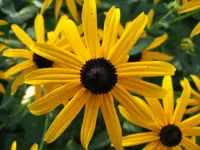
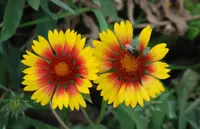
Orange coneflower, Rudbeckia fulgida, is a hardy herbaceous perennial often grown in garden beds, borders, and naturalistic plantings. It forms dense clumps with upright stems topped by golden-orange daisy-like flowers and a dark central cone.

This species is native to eastern North America, where it commonly grows in meadows, open woods, and along roadsides. It is valued for a long flowering season and strong stems that usually do not need staking.

Rudbeckia fulgida is generally easy to grow, adapting well to average garden soils and common weather fluctuations. It prefers full sun and moderately moist, well-drained soil, which makes it straightforward to care for Orange coneflower in most home gardens.


Main Plant Requirements

Care Difficulty

Easy Care

Light Preference

Full Sun

Water Requirements

Moderate Water

Temperature Preference

Cold Hardy

Hardiness Zone

3–9

Soil Texture

Sandy, Loamy, Clay

Soil pH

Acidic (5.5–6.5), Slightly acidic (6.5–7.0)

Soil Drainage

Moist but well-drained

Fertilization

Minimal (feed rarely)

Get Personalized Care Plan

Scan your plant to receive care tips personalized for your specific plant

Available on iOS and Android

How to Care for the Orange coneflower

Rudbeckia fulgida grows best in bright, open conditions with consistent direct sun.

  • Provide 6–8 hours of direct sun daily; morning sun with light afternoon shade is ideal in hot summer regions to reduce leaf scorch.
  • Plant can tolerate light partial shade (4–5 hours sun), but flowering and stem strength decline with less light exposure.
  • In late summer and early fall, maintain unshaded exposure so Orange coneflower can complete flowering and seed set; dense shade causes lanky, floppy growth.

Watering should keep soil lightly moist but never saturated, especially during the first growing season.

  • Outdoors, water when the top 3–5 cm of soil feels dry; soak the root zone thoroughly, then allow excess to drain away.
  • During hot, dry spells, increase watering frequency, while in cool or rainy periods, hold off to prevent soggy soil and root rot in Rudbeckia fulgida.
  • Wilting during midday that recovers by evening is normal in heat; persistent wilting, yellowing foliage, or a sour soil smell indicates overwatering problems.

This hardy perennial tolerates a wide range of outdoor temperatures once established.

  • Active growth and best flowering occur around 65–80°F (18–27°C), typical of late spring through early fall in many temperate climates.
  • Plants survive winter cold well below 32°F (0°C), often down to about -20°F (-29°C) when crowns are mulched and soil drains freely.
  • Summer heat up to 90–95°F (32–35°C) is tolerated if soil is not waterlogged; extended heat above this can shorten bloom and stress foliage.

Humidity is rarely a concern for Rudbeckia fulgida in typical outdoor conditions.

Rudbeckia fulgida grows best in moderately fertile, well-drained but moisture-retentive ground.

  • Aim for a loamy or sandy-loam texture, enriched with 20–30% compost to improve structure and water holding.
  • Ensure drainage by avoiding heavy, compacted clay; mix in coarse sand or fine gravel to open the soil if needed.
  • Target a slightly acidic to neutral pH of 6.0–7.0, as highly alkaline soils can limit nutrient uptake.
  • Avoid low-lying or waterlogged spots, since chronic saturation promotes root rot and weak, floppy growth.

This species is suitable for container growing when the pot is large and stable enough for its clumping habit.

  • Select a container at least 30–35 cm deep to accommodate its fibrous root system and maintain upright stems.
  • Use a heavier material like ceramic or clay if the site is windy, as tall flower stalks can make the pot top-heavy.
  • Leave 3–5 cm below the rim when filling the pot so overhead watering does not wash out the lightweight mix.

Rudbeckia fulgida usually needs only modest feeding, especially in reasonably fertile garden soil.

  • Apply a light layer of compost or well-rotted manure in spring to support new growth and flowering.
  • Use a balanced slow-release fertilizer (e.g., 10-10-10) once in late spring for container or very poor soils.
  • Dilute any liquid balanced NPK fertilizer to half strength and apply no more than monthly during peak growth.
  • Stop feeding Orange coneflower in late summer and avoid fertilizer in winter dormancy to prevent weak, soft growth.

Pruning Rudbeckia fulgida focuses on deadheading and seasonal cleanup to maintain bloom and a tidy clump.

  • Deadhead spent flower stems during summer using clean bypass pruners to extend the flowering period.
  • Remove dead, diseased, or damaged stems whenever noticed to limit disease spread and improve appearance.
  • In late fall or very early spring, cut back old stems to 5–10 cm above soil to refresh growth.
  • Thin out crowded or weak shoots at the base to improve air circulation and maintain a balanced, upright form.

This species is usually grown in garden beds, so care centers on lifting and transplanting rather than frequent repotting.

  • Transplant or divide clumps every 3–5 years when flowering declines, centers die out, or growth becomes crowded.
  • Choose early spring or early fall for moving plants, when temperatures are mild and soil moisture is steady.
  • Dig widely around the clump, lift carefully, and keep roots covered and slightly moist to limit transplant shock.
  • Replant divisions at the same depth in well-drained soil, water thoroughly, then shade lightly for a few days in hot weather.

Rudbeckia fulgida is commonly propagated by division and seeds for consistent, vigorous new plants.

  • Divide mature clumps in early spring or early fall, ensuring each piece has several shoots and a good root portion.
  • Replant divisions promptly in moist, well-drained soil and water consistently until established.
  • Sow seeds in late fall outdoors or in early spring after a brief cold period to improve germination.
  • Provide bright light, moderate moisture, and good air movement for seedlings to develop sturdy, compact growth.

This perennial is generally cold hardy in much of the US and needs only light winter care in the ground.

  • After hard frost, cut back dry stems to a low stubble or leave some standing for wildlife interest, then tidy in late winter.
  • Apply a 5–8 cm mulch layer around the root zone in late fall, keeping it slightly away from crowns.
  • For container plants in colder zones, move pots into a sheltered, unheated space or bury containers up to the rim for insulation.

Care Tips

Staggered Deadheading

Instead of cutting all spent blooms at once, remove fading flower stems in stages through the season to prolong flowering while still allowing a few of the last, healthiest seedheads to mature for self-seeding and wildlife food.

Seedhead Winter Use

Leave sturdy seedheads standing over winter in colder climates to provide food and shelter for birds and beneficial insects, then cut them back at ground level just before new shoots emerge in early spring.

Clump Renewal Division

Every 3–4 years, lift and divide crowded clumps in early spring or early fall, replanting only vigorous, outer sections to maintain strong flowering and reduce disease buildup in the planting area.

Airflow Through Thinning

In dense plantings, selectively thin or slightly increase spacing between clumps to improve air movement around foliage, which helps limit foliar diseases such as powdery mildew during humid periods.

Targeted Pest Monitoring

Inspect the undersides of leaves and flower stalks weekly during warm, dry weather so that any outbreaks of aphids or leaf-chewing insects are caught early and managed with spot treatments rather than broad spraying when growing Orange coneflower.

Common Pests and Diseases

Septoria leaf spot

This disease causes small, round to irregular tan or brown spots on lower leaves that often merge and lead to early leaf drop, especially in humid conditions.

Solution

Remove and discard heavily spotted leaves, thin crowded clumps to improve airflow, and water at soil level to keep foliage dry; in persistent cases, use a labeled copper or chlorothalonil fungicide early in the season according to local guidelines.

Rust

This disease shows as orange to brown powdery pustules on the undersides of leaves, with yellowing and possible leaf drop during warm, moist weather.

Solution

Remove infected leaves as soon as they appear, avoid overhead watering, increase spacing for better air circulation, and apply a sulfur or copper-based fungicide if conditions remain favorable for spread.

Powdery mildew

This disease produces white, talc-like patches on upper leaf surfaces, which can cause leaf distortion and reduced flowering in dense plantings or shade.

Solution

Improve light and airflow around the clump, water early in the day at the base of plants, remove badly affected foliage, and if needed use a labeled horticultural oil or potassium bicarbonate spray at the first sign of symptoms.

Aphids

These insects cluster on young stems and buds, sucking sap and causing curling leaves, sticky honeydew, and sometimes sooty mold growth.

Solution

Dislodge colonies with a strong stream of water, encourage or introduce natural predators like lady beetles, and use insecticidal soap or neem oil sprays directed at the undersides of leaves when populations remain high.

Leafhoppers

These insects feed on foliage, causing pale speckling, leaf tip burn, and occasionally transmitting leafhopper-borne diseases during hot, dry periods.

Solution

Reduce nearby tall weeds where leafhoppers shelter, use a strong hose spray to knock insects off plants, and apply insecticidal soap or a pyrethrin-based product in the evening if damage becomes significant, following label directions.

Interesting Facts

Clonal patch former

This species often spreads by short rhizomes, forming long‑lived clonal patches that can persist for many years in the same meadow or prairie site.

Specialist bee visitor

In its native range, it is an important pollen source for several specialist Andrena mining bees that preferentially visit orange coneflower and closely related Rudbeckia species.

Cone-shaped disc florets

The raised central cone is made of many small tubular disc florets that mature from the outside inward, providing nectar and pollen over an extended period for insects.

Botan icon

Did you know?

The type subspecies, Rudbeckia fulgida subsp. fulgida, is naturally restricted to the Appalachian and Piedmont regions of the eastern United States, making its native distribution more geographically focused than the broadly cultivated forms seen in gardens.

FAQs about Orange coneflower

This species spreads moderately by clumping and short rhizomes. It slowly forms wider patches over several years but is usually not invasive. Division every 3–4 years helps control size and keeps the planting vigorous.

Grow Healthy Plants with Botan Care

Keep your plants happy and healthy with plant identification, disease detection, and easy care guidance.

Botan plant care app — identify plants on mobile

Explore More Plants