Anemone clematis Care (Clematis montana)

Anemone clematis

About Anemone clematis

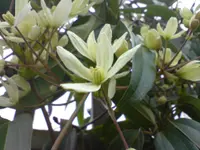
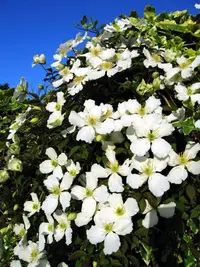
Anemone clematis, botanically known as Clematis montana, is a vigorous deciduous climbing vine from the mountainous regions of Asia, especially the Himalayas. It is grown mainly for its abundant spring flowers. Plants quickly cover trellises, fences, or pergolas with dense green foliage and masses of 4-petaled, usually white or pale pink blooms. The flowers are lightly scented in many forms. Growth is fast and can be quite strong, so regular support and space are important. In gardens, it is considered relatively easy, provided it has sun for the top growth, cooler roots, and well-drained soil. Understanding how to care for Anemone clematis helps keep it healthy and floriferous over many years.

Main Plant Requirements

Care Difficulty

Moderate Care

Light Preference

Partial Sun

Water Requirements

Regular Water

Temperature Preference

Cold Hardy

Hardiness Zone

6–9

Soil Texture

Loamy, Silty, Organic-rich

Soil pH

Acidic (5.5–6.5), Slightly acidic (6.5–7.0)

Soil Drainage

Moist but well-drained

Fertilization

Light (every 4–6 weeks)

Get Personalized Care Plan

Scan your plant to receive care tips personalized for your specific plant

Available on iOS and Android

How to Care for the Anemone clematis

Clematis montana thrives with bright, cool conditions that balance strong light on top with shaded roots.

  • Provide 4–6 hours of direct morning sun with light or dappled shade in the hot afternoon, especially in warmer climates.
  • Tolerates partial shade (2–4 hours sun), but flowering on Anemone clematis declines if light is too low or heavily filtered all day.
  • In summer, protect from intense, reflected midday sun to reduce leaf scorch; in winter, no special light protection is needed once established.

Clematis montana prefers evenly moist, cool soil that never stays waterlogged.

  • Water when the top 3–5 cm of soil feels dry, applying a slow, deep soak so moisture reaches the root zone rather than frequent light splashes.
  • Ensure well-drained soil; yellowing leaves, wilted yet damp soil, or a sour smell indicate overwatering and possible root stress.
  • In hot spells, monitor more often as the plant may need extra deep watering, while in cool or rainy seasons watering may be rarely required.

This climber is a cool- to temperate-climate plant that tolerates winter cold once established.

  • Active growth and flowering are best around 55–75°F (13–24°C), with stable spring temperatures encouraging strong new shoots.
  • Mature plants usually tolerate down to about 0°F (−18°C) with mulched roots; new or potted plants need protection from hard freezes.
  • In summer, brief heat up to 90°F (32°C) is tolerated if roots stay cool and soil moist; prolonged extreme heat can reduce flowering and cause leaf scorch.

Clematis montana handles a wide humidity range, so humidity management is usually low priority outdoors.

Clematis montana prefers deep, moisture-retentive yet well-drained soil for long-term vigor.

  • Use a loamy soil with plenty of organic matter, such as garden loam blended with composted bark or well-rotted compost.
  • Ensure free drainage by avoiding heavy, compacted clay; incorporate sharp sand or fine gravel if water lingers after rain.
  • Aim for slightly alkaline to neutral pH, roughly 6.5–7.5, and avoid very acidic soils without lime correction.
  • Improve structure and aeration by mulching annually with organic material, keeping it away from direct stem contact.

This species can grow well in containers if the pot is large, stable, and drains efficiently.

  • Choose a tall, heavy container that resists tipping once the vine climbs and catches wind on a trellis or support.
  • Select a pot volume that allows a deep root run, roughly 40–50 cm deep, to reduce water stress and overheating of roots.
  • Use thick-walled or glazed containers in hot climates to limit rapid moisture loss and protect roots from temperature swings.

Clematis montana benefits from light, consistent feeding during the active growing season but does not need heavy fertilization.

  • Apply a balanced, slow-release fertilizer (for example 10-10-10) in early spring as new growth starts, following label rates.
  • Top-dress with compost around the root zone 1–2 times during spring–summer to support flowering when caring for Anemone clematis.
  • Use half-strength liquid balanced feed every 4–6 weeks in the growing season if growth or flowering is weak.
  • Stop feeding in late summer and avoid fertilizer in winter dormancy to allow stems to harden and roots to rest.

Clematis montana responds well to thoughtful pruning that manages size and maintains flowering wood.

  • Prune just after flowering in late spring, as it blooms on the previous year’s growth.
  • Remove dead, damaged, or weak stems first using clean, sharp bypass pruners or loppers.
  • Thin congested or crossing stems back to strong buds to improve air flow and reduce disease risk.
  • Shorten overlong shoots to shape the vine and keep it within support structures without cutting hard into the main framework.

This vigorous climber is usually grown in the ground, so focus on careful transplanting rather than frequent repotting.

  • Transplant in early spring or early fall when temperatures are mild and soil is workable.
  • Move Clematis montana only when necessary, such as poor performance, overcrowding, or construction changes.
  • Lift with a wide root ball, disturb roots as little as possible, and replant at the same depth with the crown just below soil level.
  • Water deeply after planting, then keep soil evenly moist and shaded at the base to reduce transplant shock and support root establishment.

Clematis montana can be propagated by layering, semi-ripe cuttings, or seed, with layering the most reliable for home gardeners.

  • Take semi-ripe cuttings in late spring–mid summer, 7–10 cm long, and root in a free-draining, moist mix under high humidity.
  • Use simple layering in spring: pin a flexible stem to the soil, lightly wound the underside, and cover with moist soil until rooted.
  • Sow fresh seed in pots outdoors in fall, allowing natural cold stratification, and expect variable seedling traits.
  • Pot rooted layers or cuttings individually once strong roots form, then grow on in a sheltered spot before planting out.

This species is generally cold hardy in temperate climates and needs only modest winter care once established.

  • Tolerates typical winter frosts in many regions but young plants benefit from extra root protection.
  • Apply 5–8 cm of organic mulch around the root zone in late fall, keeping it slightly away from stems.
  • In very cold or exposed sites, add a loose layer of straw or horticultural fleece around the base to shield lower buds.
  • Move container-grown plants to a sheltered, unheated area to prevent rootball freezing and waterlogging.

Care Tips

Early vine training

In the first 1–2 years, loosely tie young shoots to a trellis or wires with soft garden ties, spacing ties every 20–30 cm to create an even framework that will support heavy flowering later.

Cool roots, airy top

Mulch the root zone with 5–8 cm of composted bark or leaf mold and plant shallow-rooted perennials in front to shade the base while keeping the upper vine open to air and light.

Support inspection routine

Each spring, check fences, pergolas, or wires for rust, loose fixings, or sharp edges and repair them before growth accelerates, so stems do not chafe, snap, or get girdled as they thicken.

Wind and weight management

In exposed sites, add a few extra vertical wires or canes and gently fan out main stems, which spreads wind load and reduces the risk of entire sections tearing away in storms when the vine is in full leaf.

Base health monitoring

Once or twice a year, gently pull back mulch around the crown to inspect for damage, rot, or crowded dead stems, then remove any weak or congested growth to keep air moving and support long-term Clematis montana plant care.

Common Pests and Diseases

Clematis wilt

This disease causes sudden blackening and collapse of young stems and leaves, often just as flower buds are forming. Symptoms include sharp dark lesions on stems followed by rapid wilting of everything above the damage point.

Solution

Cut affected stems back into healthy green tissue, disinfecting pruners between cuts, and dispose of all infected material in household trash. Improve air circulation, keep the crown slightly shaded and at a stable moisture level, and avoid overhead watering to reduce future infection; these steps are central to Clematis montana care instructions.

Powdery mildew

This disease appears as white or gray powdery patches on leaves, especially in warm, dry weather with poor air movement. Symptoms include distorted or yellowing foliage and reduced flowering if infestation is heavy.

Solution

Prune to open the plant for better airflow, remove and discard heavily affected leaves, and water at soil level only. If needed, apply a labeled horticultural sulfur or potassium bicarbonate product, following package directions and avoiding use in very hot weather.

Aphids

These insects cluster on tender shoots and flower buds, sucking sap and excreting sticky honeydew that can encourage sooty mold. Symptoms include curling or distorted new growth and reduced vigor in young vines.

Solution

Spray infested shoots with a strong jet of water to dislodge colonies, then treat remaining clusters with insecticidal soap or a light horticultural oil, coating undersides of leaves. Encourage natural predators such as lady beetles by minimizing broad-spectrum insecticides in the garden.

Slugs and snails

These pests feed on soft new shoots and leaves, often at night, leaving irregular holes and ragged edges. Symptoms include missing or shredded young growth and silvery slime trails on or around the plant.

Solution

Hand-pick slugs and snails in the evening, use barriers such as copper tape around containers or key supports, and reduce hiding places like dense mulch touching the stems. If pressure is high, place iron phosphate bait stations nearby, following label instructions to protect pets and wildlife.

Scale insects

This pest appears as small, rounded or oval bumps on stems and leaf stalks that do not move when touched. Symptoms include sticky honeydew, sooty mold, and gradual decline or thin, weak growth on older vines.

Solution

Gently scrape or wipe individual scales off stems with a cotton swab dipped in alcohol, then prune heavily infested twigs. For larger populations, apply a lightweight horticultural oil during the growing season, thoroughly coating stems to smother the insects.

Interesting Facts

High-altitude native climber

This species is native to montane regions of the Himalayas and western China, where it naturally scrambles through shrubs and small trees on cool mountain slopes and forest edges.

Spring-flowering strategy

It flowers on the previous year’s wood very early in spring, often covering itself in blooms before many surrounding plants leaf out, which helps it attract early pollinators when floral competition is low.

Variable floral scent

Many garden forms have a noticeable sweet, vanilla-like fragrance, but some wild-type populations and cultivars are only faintly scented or almost scentless, reflecting genetic variation within the species.

Botan icon

Did you know?

In mild climates this species can form very large, long-lived woody frameworks that engulf fences or small trees, creating dense, elevated thickets that provide shelter and nesting sites for small birds and invertebrates in otherwise open garden structures.

FAQs about Anemone clematis

This species is a vigorous, twining climber. It anchors itself using leaf petioles that curl around supports rather than tendrils or aerial roots. Without something to climb, it will scramble through shrubs or along the ground.

Grow Healthy Plants with Botan Care

Keep your plants happy and healthy with plant identification, disease detection, and easy care guidance.

Botan plant care app — identify plants on mobile

Explore More Plants