

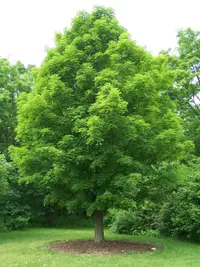
river birch (Betula nigra) Light Needs

river birch grows best in full sun, with steady direct light for most of the day.

Light Preference

Full Sun

Betula nigra Light Requirements

Native to much of the eastern United States, river birch commonly grows along streambanks, floodplains, and low, open woods. These sites often provide open sky and long periods of direct sun, with some filtered or partial shade near taller vegetation. Young trees may tolerate broken light, but stronger growth and fuller canopies develop with ample sun. Its preferred light is full sun.

  • Ideal exposure:

    river birch needs about 6–8 hours of full sun daily, including at least 6 hours of direct sun when possible.

  • Direct sun:

    Established trees tolerate long direct sun, especially where heat is not intensified by pavement or reflected glare.

  • Partial sun:

    It can grow with 4–6 hours of sun, but canopy density and growth rate may be reduced.

  • Shade limits:

    Deep shade is poor and often leads to thin, uneven growth rather than a full crown.

Full sun is usually suitable, but harsh exposure can stress young or recently moved trees.

Scorched patches:

Leaves may show tan, dry areas on the most exposed outer canopy after sudden intense sun.

Bleached surfaces:

Pale or washed-looking areas can appear where afternoon sun is intensified by walls, pavement, or reflected heat.

Curling in heat:

Leaves may cup or curl during bright, hot periods, especially on new growth.

Exposed-side thinning:

The sun-facing side may look sparse if strong light combines with hot, dry site conditions.

Give young trees temporary afternoon shade during heat waves, or move container-grown specimens out of reflected glare. Increase sun exposure gradually after nursery shade or indoor storage.

Too little light is more limiting than bright sun for this species. Shade usually affects shape before it causes obvious leaf damage.

  • Leaning growth:

    New stems may angle toward the brightest opening instead of forming a balanced crown.

  • Sparse canopy:

    Leaves may be concentrated near the outer or upper branches, with open gaps inside the canopy.

  • Long internodes:

    Shoots can develop wider spacing between leaves when light is weak.

  • Small new leaves:

    Active-season growth may produce smaller leaves and shorter extension than expected.

Choose a sunnier planting site or reduce overhead shade where practical. Betula nigra should not be treated as a shade tree for confined, dim locations.

Use the sunniest practical planting area if full sun is limited. A site with morning sun and some afternoon shade is a better compromise than all-day shade.

Remove nearby light barriers, or choose a position away from walls and fences that cast long shadows. Keep young trees out of reflected heat from pavement when sun is intense.

Get Personalized Care Plan

Scan your plant to receive care tips personalized for your specific plant

FAQ

This plant does best with about 6–8 hours of sun each day. At least 6 hours of direct light supports a fuller crown and stronger active-season growth.

More Plant Light Guides

Get the Botan App

Discover how to care for your plants with Botan.

Botan app identifying a plant with a phone camera
Best Fertilizer for Vegetable Gardens – What to Use for Each Plant

11 min read · 20 Jul 2026

Best Fertilizer for Vegetable Gardens – What to Use for Each Plant

Here, you’ll find the right fertilizer formula for vegetables in your garden. Learn how to adjust feeding correctly throughout the growing cycle, spot nutrient deficiencies by their symptoms, and keep your plants healthy and prolific.

Plant Recommendations
Best Fertilizer for Vegetable Gardens – What to Use for Each Plant
How To Revive a Dying Plant: 6 Steps To Bring A Plant Back To Life

6 min read · 1 Sept 2026

How To Revive a Dying Plant: 6 Steps To Bring A Plant Back To Life

Drooping leaves and brown tips don't always mean the end, and a weakened plant can often recover with a little help. These six simple steps will help you revive a dying plant and restore its health.

Plant Care
How To Revive a Dying Plant: 6 Steps To Bring A Plant Back To Life
What Do Plants Need to Grow – 5 Things Every Greenery Can't Live Without

8 min read · 31 Jul 2026

What Do Plants Need to Grow – 5 Things Every Greenery Can't Live Without

To keep plants healthy and thriving, provide the right balance of light, humidity, nutrients, airflow, and quality soil. This guide covers the essentials of year-round plant care.

Beginner Guides
What Do Plants Need to Grow – 5 Things Every Greenery Can't Live Without