


7 min read · 6 Aug 2026
Planting Grass Seed in Summer – What Works and What Fails
Summer seeding succeeds when the grass type suits the season, and the soil stays moist. Find out how to prepare the seedbed and choose a safe window for planting.

To recognize river birch, look first for peeling bark on trunks that often divide into several stems, plus alternate, diamond- to egg-shaped leaves with sharply toothed edges.
It usually grows as a medium to large tree, and the leaves are about 2 to 3 inches (5 to 8 cm) long with a pointed tip.

Take or upload a photo to confirm your plant ID with Botan.
Clear images work best. Avoid photos taken too close or too far away
Use these quick visual cues to check Betula nigra by eye.
Check several traits together, especially trunk form, peeling bark, and leaf shape.
Betula nigra shows clear visual shifts in bark, crown structure, and reproductive parts with age.
Several river birch selections are easy to separate by bark color and overall size.
In spring, Betula nigra leafs out with fresh light green foliage, and slender catkins become noticeable as they release pollen. By late spring to early summer, small cone-like seed clusters are visible on the branches. In fall, leaves turn yellow before dropping. Winter is especially useful for identification because the bare crown reveals fine twigging and the distinctive peeling bark in cinnamon, salmon, and gray tones.
A few other birches are regularly mistaken for river birch.
paper birch(Betula papyrifera)
Confusion comes from peeling bark and a similar upright shape. Paper birch bark is usually bright white on mature trunks; Betula nigra keeps salmon, tan, or cinnamon bark. Its leaves are also more triangular and less unevenly toothed.
gray birch(Betula populifolia)
This species can resemble it when young because both have small birch leaves and light bark. Gray birch usually has chalky white bark with dark patches below branches, and its leaves are distinctly triangular with a long pointed tip.
Betula nigra is native to the eastern and south-central United States, from New England west to the Midwest and south to the Gulf Coast. Its range helps distinguish it from birches centered farther north or in upland forests. In the wild it is most often found along riverbanks, floodplains, stream edges, and other bottomland woods. Seeing a birch growing naturally in wet, low-lying ground is a useful identification clue for this species.
Use Botan to identify or confirm a plant from a photo, which helps avoid mix-ups with similar species.
Peeling bark is the standout trait. On older trunks it curls in thin papery layers, often salmon, cinnamon, or tan, while younger stems are smoother and darker. This is often the quickest clue in river birch identification.
Identify a plant from a photo with Botan, then see species-specific care information, safety notes, and common problems.


7 min read · 6 Aug 2026
Summer seeding succeeds when the grass type suits the season, and the soil stays moist. Find out how to prepare the seedbed and choose a safe window for planting.

6 min read · 4 Aug 2026
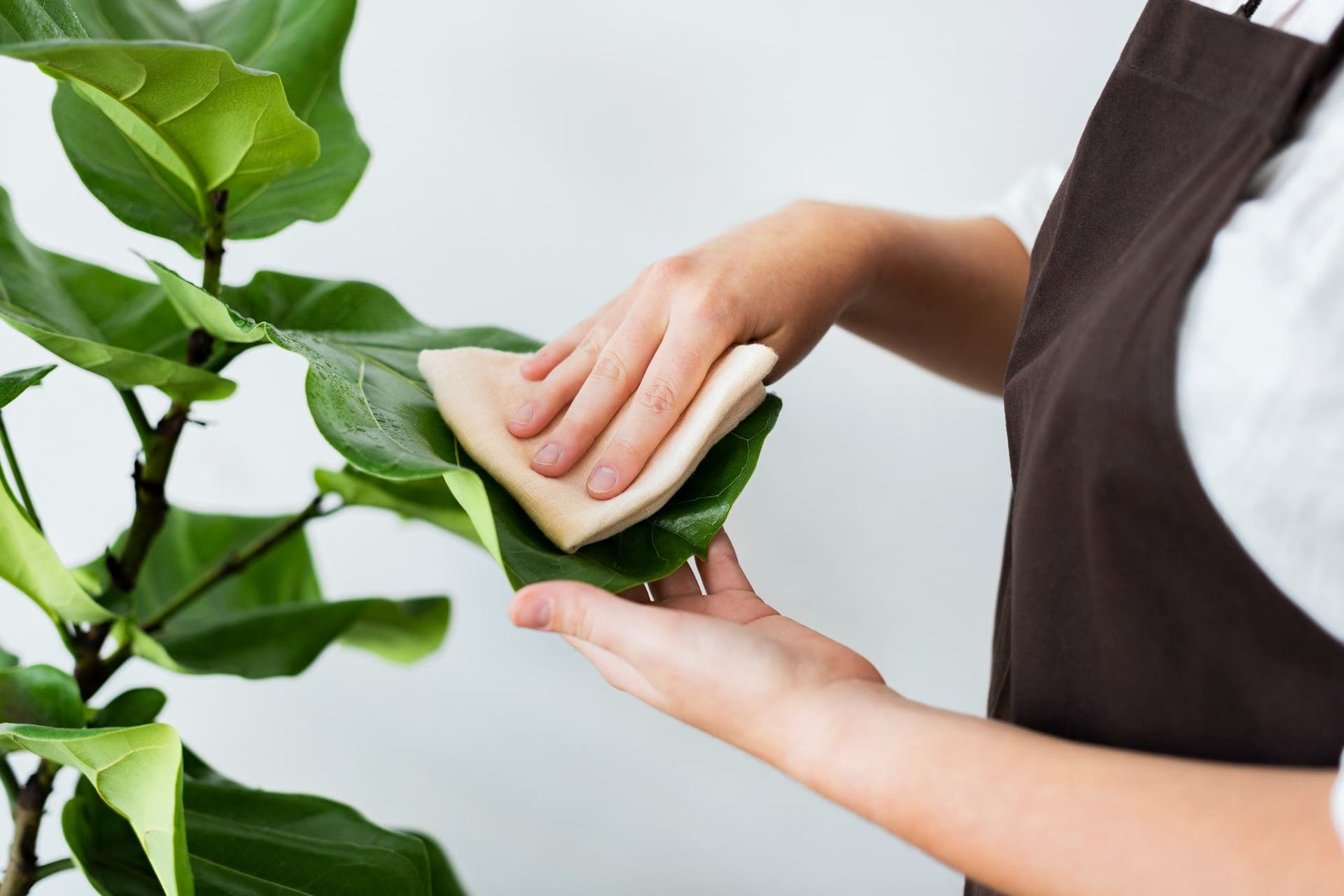
Dusty leaves look dull and don't absorb light well. Below, you'll find simple ways to clean them, which tools are truly effective, how often you should do it, and what causes damage.

7 min read · 13 Oct 2026
Cold-hardy vegetables can keep a garden productive through chilly fall, winter, and early spring weather. This guide covers 12 reliable crops, their frost tolerance, and practical growing tips for better cold-season harvests.