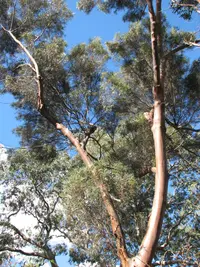
eucalyptus (Eucalyptus spathulata) Watering Guide

This page explains when, how often, and how much to water Eucalyptus spathulata for consistent, healthy growth.

Water Requirements

Low Water

Eucalyptus spathulata Watering

Native to dry Australian regions, Eucalyptus spathulata is adapted to lean, well‑drained soils with modest natural rainfall. In gardens, watering eucalyptus means mimicking these conditions with light but reliable moisture rather than frequent, heavy soaking.

Once established outdoors, it prefers soil that dries slightly between sessions instead of constant dampness. In containers, it usually needs a bit more consistent moisture than in open ground, so learn how to water eucalyptus with that difference in mind.

Let the soil dry out well between waterings for Eucalyptus spathulata. Water again when the top 1–2 inches (3–5 cm) feel completely dry, which typically means every 7–14 days as a broad estimate. Hotter, sunnier conditions or very small pots may shorten this interval.

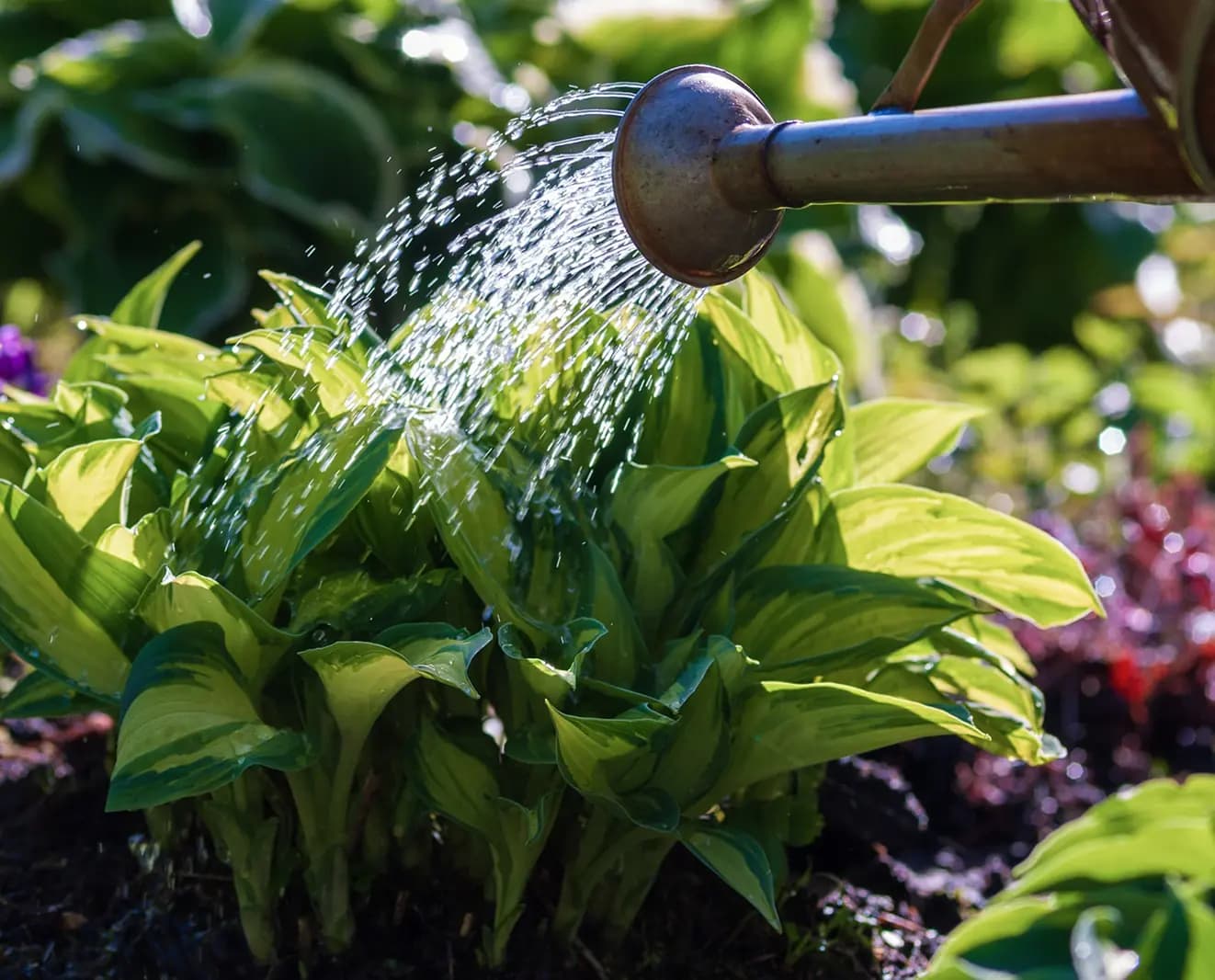
Water Eucalyptus spathulata when the top 1–2 inches (3–5 cm) of soil feel dry, using a deep, controlled soak.

  • Pour room-temperature water slowly over the soil surface, circling the pot so moisture spreads evenly across the root zone.
  • Continue adding water until it runs from the drainage holes, ensuring the entire root mass is thoroughly moistened once per watering session.
  • Let the pot drain completely for several minutes, then empty any saucer so roots do not sit in standing water.
  • Keep water directed at the soil only, avoiding prolonged wetting of leaves, stems, and trunk to reduce unnecessary surface moisture.

Incorrect soil moisture levels can gradually stress Eucalyptus spathulata and disrupt healthy growth.

Yellowing Lower Leaves:

Older leaves turn pale and drop as persistently wet soil limits oxygen reaching fine roots.

Wilting In Damp Soil:

Limp foliage despite moist substrate suggests root suffocation from compacted, poorly draining planting conditions.

Brown Leaf Tips:

Dry, crisp margins appear when watering is infrequent or soil drains faster than roots absorb.

Stunted New Growth:

Short internodes and sparse foliage arise when alternating drought and saturation repeatedly shock developing roots.

Keep soil fast-draining and consistently lightly moist, avoiding both prolonged saturation and complete long-term dryness.

Unsuitable watering habits weaken Eucalyptus spathulata by stressing its drought-tolerant roots, reducing vigor and making it prone to environmental damage.

  • Following a fixed schedule: Watering on a rigid calendar ignores changing light, temperature, and pot size; instead, check soil moisture before each watering.
  • Using heavy, dense soil: Planting in moisture-retentive soil keeps roots wet for too long; choose a fast-draining mix with added coarse particles.
  • Leaving water in saucers: Letting runoff sit under the pot keeps the root zone saturated; empty saucers shortly after watering so excess fully drains.

Base watering on soil dryness, drainage, and seasonal growth, aiming for brief moisture followed by a clear dry-down before watering again.

  • Spring: As new growth begins, keep soil slightly moist with deeper, less frequent waterings, especially for young trees establishing root systems.
  • Summer: In hot, dry climates, increase watering frequency but allow the top soil to dry between soakings to prevent root stress.
  • Fall: Gradually reduce watering as growth slows, giving occasional deep drinks only when the upper soil has dried out well.
  • Winter: For established trees, rely mostly on natural rainfall, watering sparingly during prolonged dry, mild periods when soil becomes very dry.

Your eucalyptus Care Companion

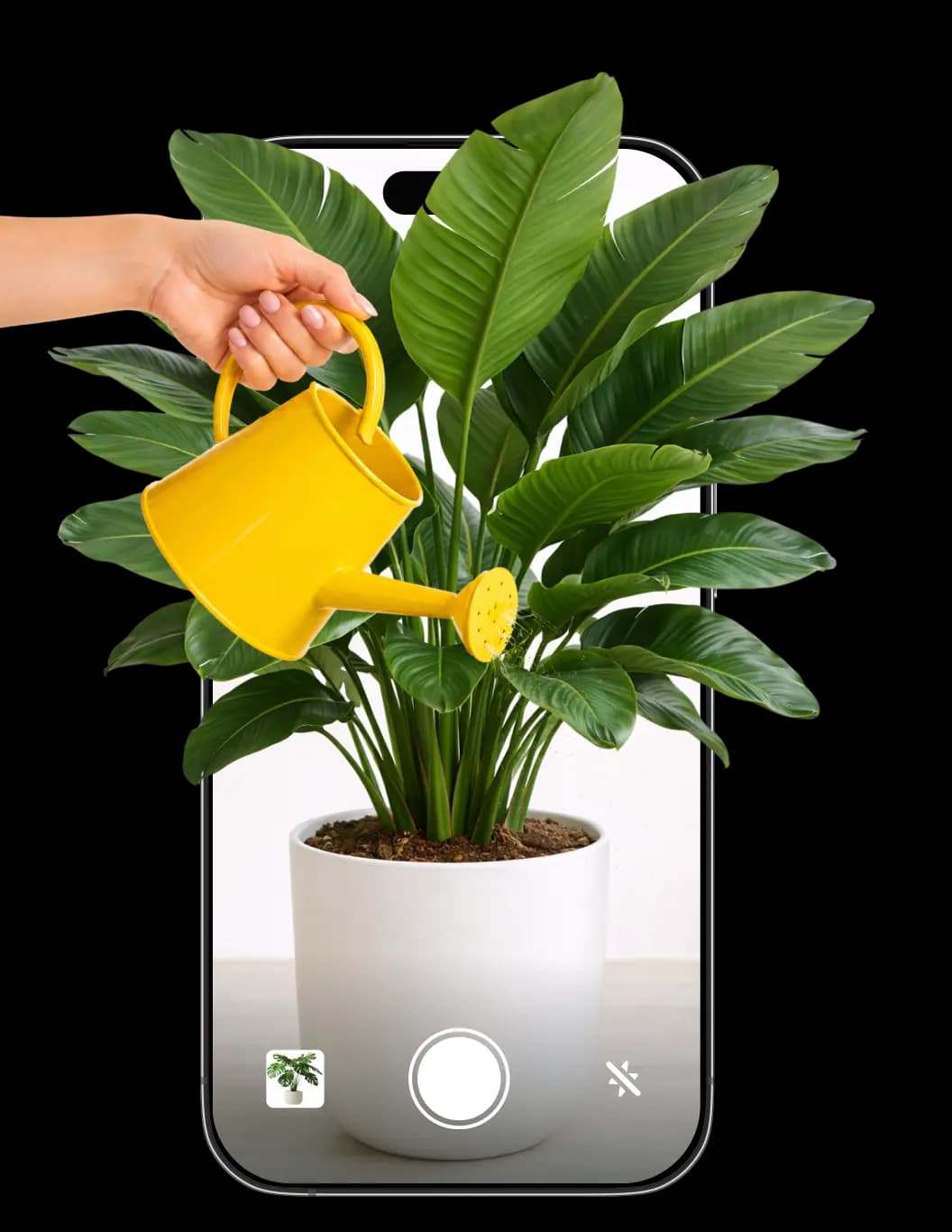
Use Botan to build a steady watering guide and care routine for Eucalyptus spathulata, and quietly spot early issues from simple plant photos before they become serious problems.

Botan plant care app — identify plants on mobile

FAQ

Let the root zone dry until the top 2–3 inches of soil feel dry, then resume lighter, less frequent watering. Improve drainage, remove any standing water, and trim rotted roots if repotting is needed.

More Plant Watering Guides

Is Your Watering Routine Hurting Your eucalyptus?

Use Botan to review watering patterns and adjust them with more confidence.

Watering a plant with a copper watering can
How to Increase Humidity for Plants – 8 Simple Ways That Work

8 min read · 14 Aug 2026

How to Increase Humidity for Plants – 8 Simple Ways That Work

Dry indoor air stresses a lot of houseplants. You usually notice it first in the browning leaf tips. This guide describes 8 simple ways to raise the moisture around your plants, from humidifiers to pebble trays.

Plant Care
How to Increase Humidity for Plants – 8 Simple Ways That Work
Plant Pot Sizes: How to Choose the Right Plant Container

7 min read · 20 Aug 2026

Plant Pot Sizes: How to Choose the Right Plant Container

Plant pot sizes can be confusing because the number on the label only tells you part of the required information. A container may look spacious but actually be too shallow. So, how to choose pot size for plant species?

Beginner Guides
Plant Pot Sizes: How to Choose the Right Plant Container
12 Best Cold-Hardy Vegetables for Cold Weather

7 min read · 13 Oct 2026

12 Best Cold-Hardy Vegetables for Cold Weather

Cold-hardy vegetables can keep a garden productive through chilly fall, winter, and early spring weather. This guide covers 12 reliable crops, their frost tolerance, and practical growing tips for better cold-season harvests.

Plant Recommendations
12 Best Cold-Hardy Vegetables for Cold Weather