


Best Soil for Chinese Money Plant (Pilea peperomioides)

Pilea peperomioides grows best in a loose, moisture-balanced mix that supports steady root growth without staying heavy around the roots.

Soil Texture

Loamy, Organic-rich, Rocky

Soil pH

Slightly acidic (6.5–7.0), Neutral (7.0)

Soil Drainage

Well-drained

Pilea peperomioides Soil Guide

Native to southwestern China, Pilea peperomioides comes from rocky, humus-rich ground that stays lightly moist but does not remain soggy. That background explains its preference for a loose, organic-rich substrate with enough air space around the roots.

The best soil for Chinese Money Plant holds some moisture, yet drains freely so oxygen can still reach the root zone. A loamy, slightly peaty texture suits its relatively fine roots, which prefer steady moisture and good aeration over dense, compact soil.

A simple homemade blend gives Pilea peperomioides the balance of moisture retention and airflow it needs in a container.

100% total mix = 20 scoops
15%
fine orchid bark or chunky compost3 scoops
20%
perlite or pumice4 scoops
25%
coco coir or peat moss5 scoops
40%
high-quality potting soil8 scoops

The finished mix should feel light, crumbly, and slightly springy, with moisture spreading evenly but excess water moving through without much delay.

Chinese Money Plant prefers slightly acidic to near-neutral soil, with an ideal range around 5.5–7.0 pH. Within that window, key nutrients stay more available to the roots instead of becoming harder for the plant to absorb.

Pilea peperomioides is fairly adaptable, but soil that stays far outside this range can gradually limit nutrient uptake. A mildly acidic mix is usually the most reliable choice for steady growth in containers.

This species can struggle when the root zone stays stale or uneven for too long. Check the soil first when growth slows or the plant seems less stable.

Compacted mix:

Dense soil can block airflow and keep roots from developing well; gently loosen the top layer and plan to replace the mix if it stays hard.

Soggy lower soil:

A pot may look dry on top while the bottom stays wet; check deeper in the container and pause watering until excess moisture has eased.

Shrunken dry mix:

Peaty soil sometimes pulls away from the pot edge when very dry; re-moisten it slowly so the root ball absorbs water more evenly again.

Fungus gnats:

Consistently damp organic material can attract these small pests around Chinese Money Plant soil; let the surface dry a bit more and remove fallen debris.

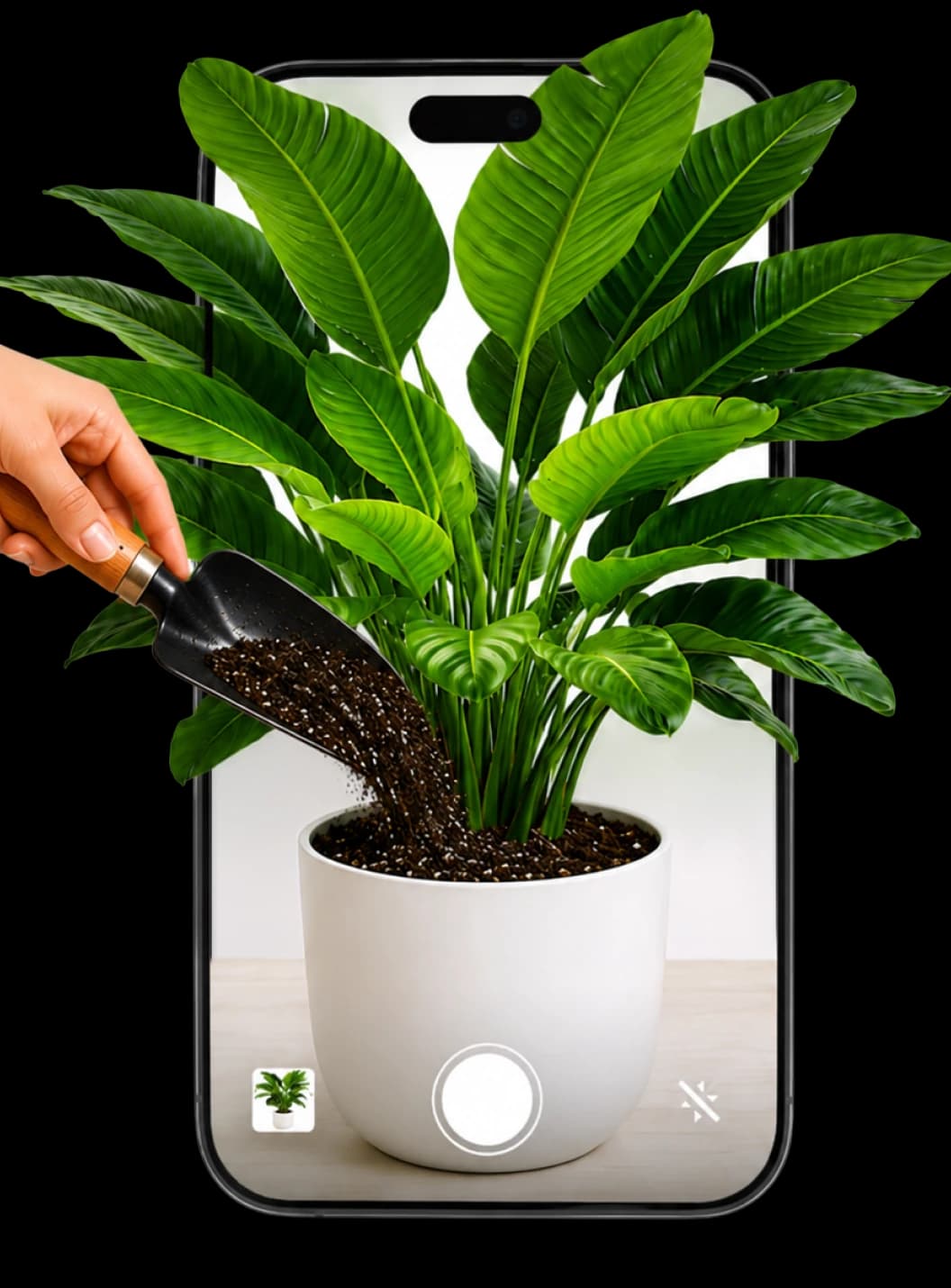
Scan for Soil Tips

Botan can help identify the plant and guide a soil choice that better matches its growth habit, root needs, and container setup.

FAQ

Yes. Drainage holes let excess water leave the pot, which helps the root zone stay more balanced and reduces the chance of stale, saturated conditions developing in the mix.

Everything About Chinese Money Plant

More Plant Soil Guides

Scan for Soil Problems

Use Botan’s photo check to see whether a visible issue may be linked to soil conditions. It can help narrow down what to inspect next.

Botan app helping with soil and plant care
How to Increase Humidity for Plants – 8 Simple Ways That Work

8 min read · 14 Aug 2026

How to Increase Humidity for Plants – 8 Simple Ways That Work

Dry indoor air stresses a lot of houseplants. You usually notice it first in the browning leaf tips. This guide describes 8 simple ways to raise the moisture around your plants, from humidifiers to pebble trays.

Plant Care
How to Increase Humidity for Plants – 8 Simple Ways That Work
How To Revive a Dying Plant: 6 Steps To Bring A Plant Back To Life

6 min read · 1 Sept 2026

How To Revive a Dying Plant: 6 Steps To Bring A Plant Back To Life

Drooping leaves and brown tips don't always mean the end, and a weakened plant can often recover with a little help. These six simple steps will help you revive a dying plant and restore its health.

Plant Care
How To Revive a Dying Plant: 6 Steps To Bring A Plant Back To Life
How to Group Plants in Landscaping: A Practical Layout Guide

8 min read · 31 Aug 2026

How to Group Plants in Landscaping: A Practical Layout Guide

Good plant grouping can mean the difference between a well-planned garden and one that looks sloppy. This guide explores layers, spacing, cluster shapes, and the plants that thrive when you group them.

Plant Care
How to Group Plants in Landscaping: A Practical Layout Guide