Nerve Plant (Fittonia albivenis) Watering Guide

This page explains when, how often, and how much to water Fittonia albivenis for consistent indoor care.

Water Requirements

Keep Soil Moist

Fittonia albivenis Watering

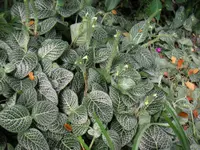
In its native tropical forest floor habitat, this plant evolved in consistently damp, humid conditions. Fittonia albivenis prefers evenly moist soil, not bone-dry or soggy extremes, especially when grown indoors.

As a result, watering Nerve Plant is about gentle consistency rather than heavy soaking or long dry spells. Indoors, aim for stable moisture, while outdoor plants may handle slightly more fluctuation depending on shade and climate.

Water when the top 1–2 inches (3–5 cm) of soil feel evenly moist but not wet, never letting the root zone fully dry. Fittonia albivenis typically needs water every 3–7 days indoors, with more frequent watering in bright, warm conditions and less in lower light or cooler rooms.

Water Nerve Plant when the top 1 inch (2–3 cm) of soil feels dry, using gentle, thorough, room‑temperature watering.

  • Pour slowly over the soil surface around the base, avoiding direct contact with leaves to reduce lingering moisture on foliage.
  • Add water until it evenly moistens the root zone and a small amount begins draining from the pot’s holes.
  • Let the pot drain fully for several minutes, then discard any water collected in the saucer or decorative cachepot.
  • For small pots, bottom-water occasionally by setting in a shallow tray until the upper soil feels evenly moist, then drain.

Incorrect moisture balance can quickly trigger stress problems in Fittonia albivenis indoors.

Wilting Soft Leaves:

Limp, drooping foliage often follows overly dry soil that stayed unwatered until completely parched.

Crisp Brown Edges:

Leaf margins dry, curl, and brown when repeated underwatering combines with low ambient humidity levels.

Yellowing Lower Leaves:

Older foliage turns pale, then yellow, when roots sit in constantly saturated, poorly drained potting mix.

Mushy Dark Stems:

Base of stems darkens and softens from prolonged waterlogging, leading to progressive stem and root rot.

Sour-Smelling Soil:

Potting mix develops a musty or sour odor when excess moisture drives anaerobic, root-damaging conditions.

Keep soil lightly moist with good drainage, avoiding both bone-dry periods and prolonged saturation.

Unsuitable watering habits quickly stress Fittonia albivenis, which prefers steady moisture, humid air, and a lightly aerated root zone.

  • Rigid watering schedule: Watering on a fixed calendar rather than checking soil moisture can drown roots; instead, water when the top layer feels slightly dry.
  • Heavy, compacted soil: Using dense potting mixes that hold water too long suffocates roots; choose a peat- or coco-based mix amended with perlite.
  • Water sitting in saucer: Leaving excess runoff in the saucer keeps roots constantly wet; discard standing water shortly after each watering.

Healthier Nerve Plants come from flexible, observation-based watering that keeps soil evenly moist yet well-aerated, with no prolonged saturation.

  • Spring: Active growth resumes, so check moisture a bit more often and water when the top surface just begins to lose its gloss.
  • Summer: Higher temperatures and brighter light can dry pots quickly; monitor more closely but avoid soaking soil that stays cool in strong air conditioning.
  • Fall: Growth slows, so extend the time between waterings, keeping soil lightly moist rather than consistently damp to reduce root stress.
  • Winter: In cooler, lower light rooms, water more sparingly and let the upper layer dry slightly longer, but never allow the root zone to fully dry.

Your Nerve Plant Care Companion

Use Botan for a clear watering guide and simple care steps for Fittonia albivenis, plus gentle photo-based checkups that help flag leaf problems or stress early.

Botan plant care app — identify plants on mobile

Interesting Watering Facts

Frequent Amazonian showers

In its native lowland rainforests of Peru and surrounding regions, Fittonia albivenis grows where rainfall is frequent and soil rarely dries completely, which helps explain its preference in cultivation for consistently moist, but not waterlogged, potting mix.


Moisture-loving groundcover

Fittonia albivenis naturally creeps along the forest floor as a groundcover, rooting at nodes in constantly damp leaf litter, so cultivated plants often respond well to shallow, wide pots and evenly moist substrates that mimic this spreading, surface-rooting habit.

FAQ

Early morning is best so foliage and soil surface can dry gradually through the day. This timing reduces fungal risk and lets the root zone use moisture as temperatures and light increase.

Everything About Nerve Plant

More Plant Watering Guides

Is Your Watering Routine Hurting Your Nerve Plant?

Use Botan to review your watering pattern and adjust it with confidence.

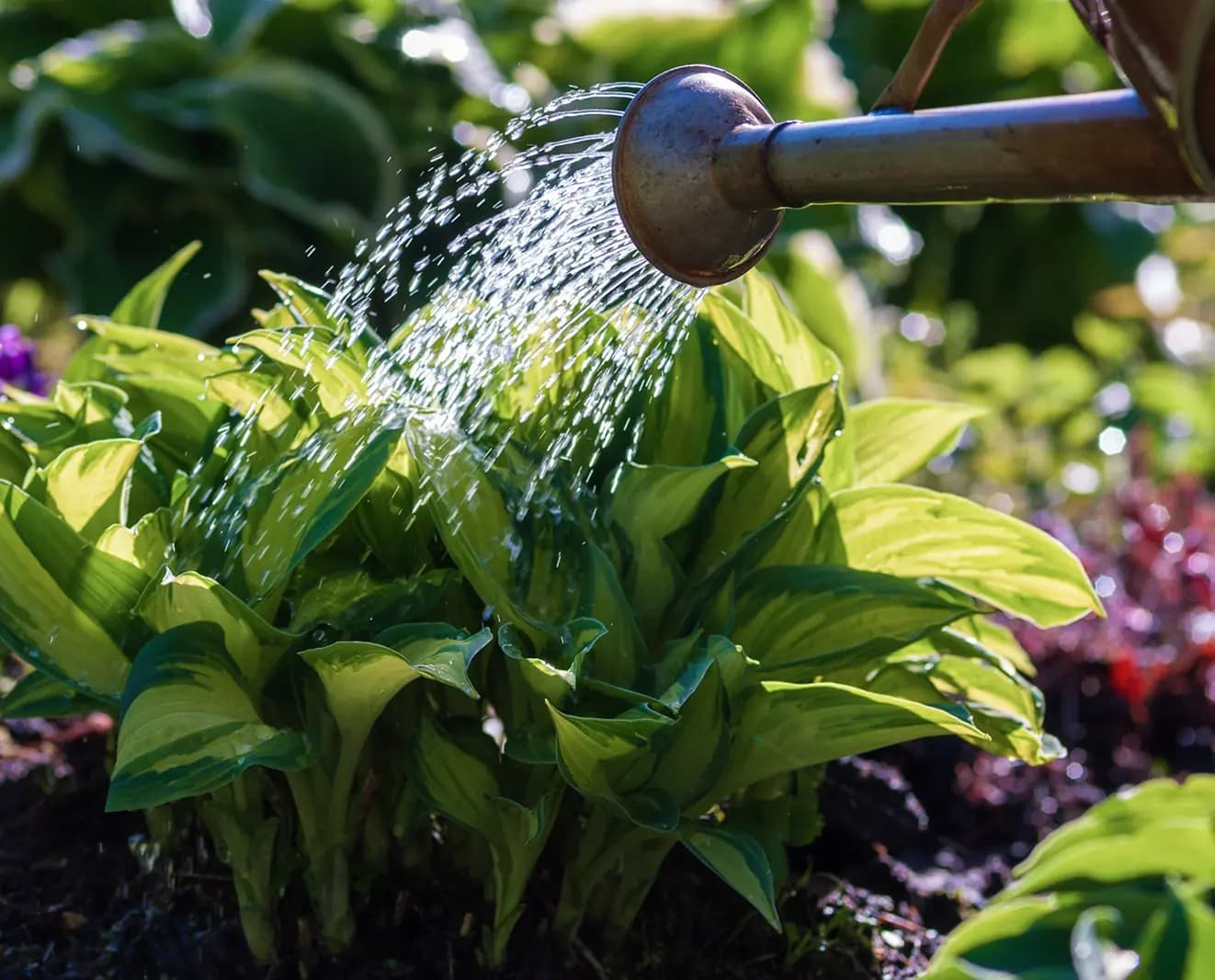
Watering a plant with a copper watering can
Best Time to Mow Lawn – A Complete Guide

5 min read · 10 Aug 2026

Best Time to Mow Lawn – A Complete Guide

Explore when to mow your lawn for its health and a pleasant green color. Find out the best time for this task during the summer heat, and follow practical tips for correctly cutting the grass, and learn common mistakes to avoid.

Plant Care
Best Time to Mow Lawn – A Complete Guide
How to Winterize Your Garden in 6 Steps

5 min read · 28 Sept 2026

How to Winterize Your Garden in 6 Steps

Learn how to prepare your garden for winter with a practical six-step checklist covering cleanup, tender plant care, watering, mulching, winter protection, and winterizing equipment and containers.

Plant Care
How to Winterize Your Garden in 6 Steps
How to Clean Plant Leaves: A Simple Care Guide

6 min read · 4 Aug 2026

How to Clean Plant Leaves: A Simple Care Guide

Dusty leaves look dull and don't absorb light well. Below, you'll find simple ways to clean them, which tools are truly effective, how often you should do it, and what causes damage.

Beginner Guides
How to Clean Plant Leaves: A Simple Care Guide