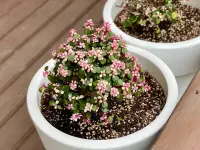
Best Soil for String of Turtles (Peperomia prostrata)

Peperomia prostrata grows best in a loose, well-drained, slightly acidic mix that supports fine roots without staying heavy around them.

Soil Texture

Sandy, Loamy, Organic-rich

Soil pH

Acidic (5.5–6.5), Slightly acidic (6.5–7.0)

Soil Drainage

Well-drained

Peperomia prostrata Soil Guide

Native to Brazil, Peperomia prostrata grows in warm, humid conditions where roots stay lightly moist but not trapped in dense, soggy material. That background points to a loose, airy substrate with good drainage and some organic content, so moisture is available without cutting off oxygen around the roots.

Its root system is relatively fine and shallow, which makes texture especially important. The best soil for String of Turtles feels light and open, with a sandy-loamy structure that drains well but still holds a small, steady reserve of moisture. A slightly acidic to near-neutral reaction suits its natural preferences.


A simple homemade blend gives Peperomia prostrata the light structure and even root contact it handles well in containers.

100% total mix = 20 scoops
15%
compost or worm castings3 scoops
25%
fine orchid bark5 scoops
25%
perlite or pumice5 scoops
35%
coco coir or peat moss7 scoops

The finished mix should feel springy, crumbly, and airy, with enough body to settle roots while excess moisture moves through easily.

A slightly acidic to near-neutral range of about 5.5–7.0 suits String of Turtles well. Within that range, key nutrients stay more available to the roots, which supports steady growth and healthy foliage.

If the mix drifts far outside that range, nutrient uptake can become less efficient even when the soil itself seems otherwise suitable. A mildly acidic balance is usually the most dependable choice for routine container growing.

This species can struggle when the root zone stays stale or compacted for too long. Soil may be part of the issue, even when the plant problem looks above ground.

Compacted mix:

Compacted mix: if the surface hardens and water stops soaking in evenly, gently loosen the top layer and replace part of the old medium with a fresher, airier one.

Slow-draining soil:

Slow-draining soil: if the container stays heavy for too long after watering, check drainage holes and move the plant into a faster-draining setup.

Soggy organic buildup:

Soggy organic buildup: when broken-down material starts feeling dense or muddy, refresh the mix so roots have better airflow.

Fungus gnat activity:

Fungus gnat activity: if small gnats hover around the container, let the upper layer dry more between waterings and remove damp debris from the surface.

Match Plant to Soil

Botan helps match this plant to a more suitable soil setup based on its growth habit and container conditions.

FAQ

Yes. Drainage holes help excess water leave the container instead of collecting around the roots, which keeps the mix more stable and lowers the chance of stale, airless conditions.

More Plant Soil Guides

Scan for Soil Problems

Use Botan’s photo-based assessment to check whether a visible issue may be linked to the soil and what to review next.

Botan app helping with soil and plant care
Best Water for Plants – How to Choose the Right Type

7 min read · 13 Aug 2026

Best Water for Plants – How to Choose the Right Type

Rainwater, filtered, distilled, and tap water affect plants differently. Learn which types support healthy growth and which cause slow damage. Match each to your plants and discover how to easily improve tap water quality.

Plant Care
Best Water for Plants – How to Choose the Right Type
How to Mist Plants – Proper Technique and Common Mistakes

7 min read · 30 Jul 2026

How to Mist Plants – Proper Technique and Common Mistakes

Find out when misting works well and when to avoid it. Here, you’ll find detailed information about compatible and incompatible species, tips on how often to mist plants and do it correctly, and some great alternatives for raising humidity.

Beginner Guides
How to Mist Plants – Proper Technique and Common Mistakes
Top 15 Fast-Growing Trees For Your Garden

13 min read · 28 Jul 2026

Top 15 Fast-Growing Trees For Your Garden

Learn which of the 15 fastest-growing trees will suit your area. We’ll share detailed information on each: growth rate, mature spread, key tree demands, and main vulnerabilities. Read on and make the best choice possible.

Plant Recommendations
Top 15 Fast-Growing Trees For Your Garden