String-like stem reservoirs
The creeping stems of Peperomia prostrata are slightly succulent, storing water that lets the plant tolerate brief dry spells compared with many other rainforest floor species.

This page explains when, how often, and how much to water Peperomia prostrata for consistent, healthy growth.

Water Requirements
Moderate Water
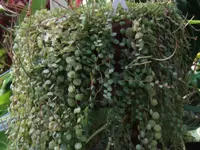
This compact trailing plant prefers a gentle, steady moisture rhythm rather than heavy, infrequent soakings. In its native Brazilian forest habitat, Peperomia prostrata experiences brief moisture followed by mild drying, not long droughts.
For indoor pots, aim for slightly dry-to-the-touch soil between waterings, then rehydrate modestly. Understanding this balance is the core of watering String of Turtles and guides all detailed instructions that follow.
Water when the top 1–2 inches (3–5 cm) of soil feel dry, as Peperomia prostrata prefers a partial dry-out between drinks. This usually means about every 7–14 days in warm, bright indoor conditions, with slower watering needs in lower light or cooler seasons.
Water String of Turtles when the top half of the potting mix feels dry and the leaves look slightly flatter.
Incorrect moisture levels can stress Peperomia prostrata and gradually trigger several avoidable health problems.
Small, wrinkling discs usually indicate prolonged dryness; water more thoroughly and reduce intense direct light exposure.
Soft, glassy foliage often results from chronic overwatering and poor drainage, requiring drier conditions and pruning.
Dark, collapsing joints suggest stem rot from soggy mix; remove affected pieces and improve aeration immediately.
Unpleasant odor signals anaerobic, waterlogged conditions; repot into fresher, chunkier substrate and water less frequently.
Slow, thin shoots commonly follow repeated moisture swings; aim for consistently lightly moist, never soaked, potting mix.
Keep roots lightly moist in a fast-draining mix, avoiding both deep drought and lingering saturation.
Unsuitable watering habits can weaken Peperomia prostrata, making this shallow-rooted string of turtles more prone to stress and decline.
Focus on light, thorough waterings when the top soil dries, using a fast-draining setup that lets excess moisture escape quickly.

Watering Check
Not sure if your plant needs water? Check its watering needs inside the app.
Use Botan for a clear watering guide and simple care steps for String of Turtles. The app also reviews plant photos to help notice issues early and suggest practical next steps.

The creeping stems of Peperomia prostrata are slightly succulent, storing water that lets the plant tolerate brief dry spells compared with many other rainforest floor species.
In its native Brazilian habitat, Peperomia prostrata often grows in shaded rock or bark crevices, where intermittent runoff and trapped humidity keep roots lightly moist but rarely waterlogged.
This species commonly occurs under forest canopies, receiving water as irregular drips rather than constant saturation, which helps explain its preference for drying partially between waterings in cultivation.
In cooler, darker months growth slows, so let the top 1–2 inches of soil dry almost completely before rewatering. Use less volume, water gently, and avoid leaving any water in the saucer.
Botan helps review your watering habits so adjustments are easier to make.
7 min read · 13 Aug 2026
Rainwater, filtered, distilled, and tap water affect plants differently. Learn which types support healthy growth and which cause slow damage. Match each to your plants and discover how to easily improve tap water quality.
7 min read · 30 Jul 2026
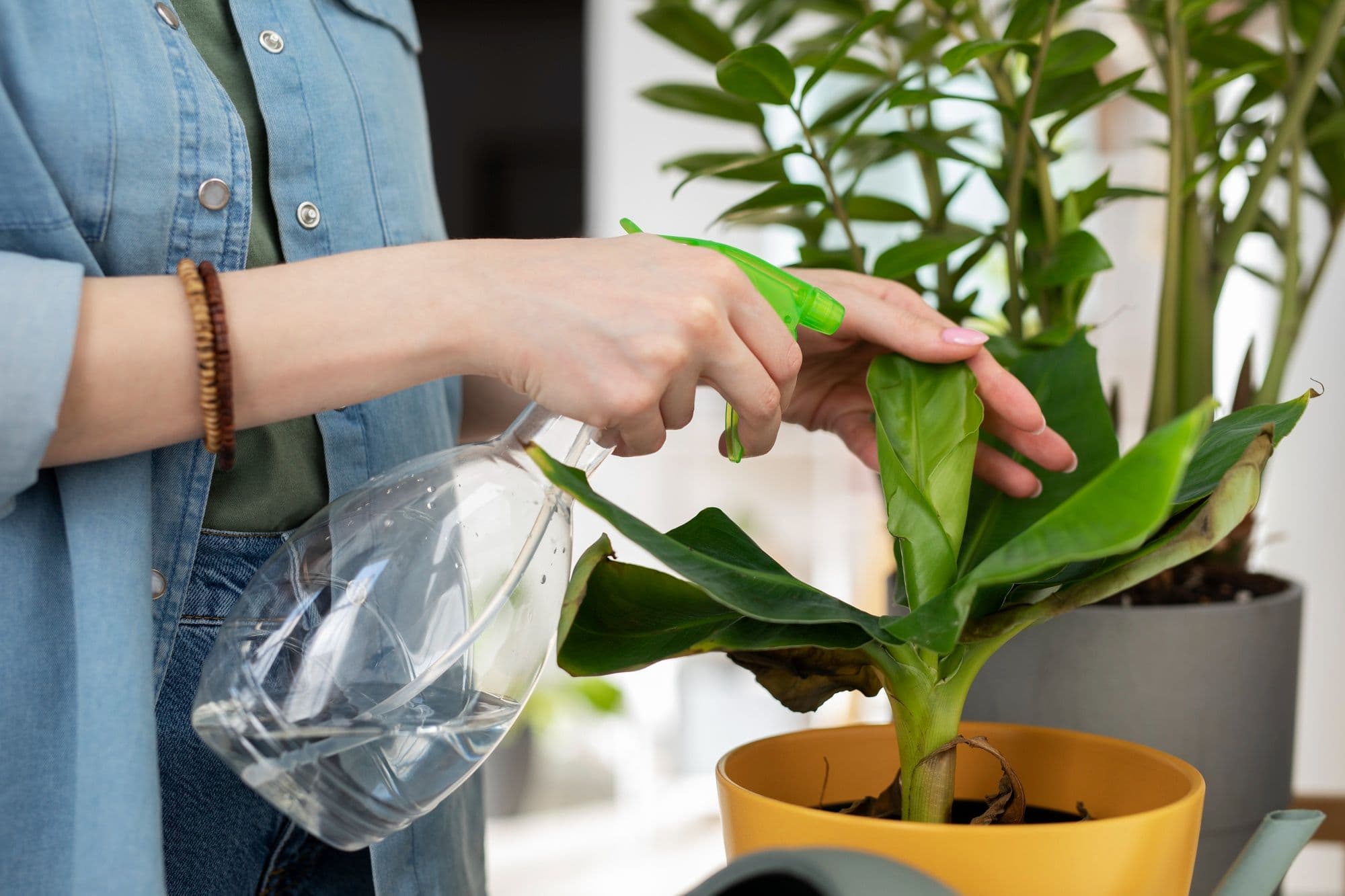
Find out when misting works well and when to avoid it. Here, you’ll find detailed information about compatible and incompatible species, tips on how often to mist plants and do it correctly, and some great alternatives for raising humidity.

13 min read · 28 Jul 2026
Learn which of the 15 fastest-growing trees will suit your area. We’ll share detailed information on each: growth rate, mature spread, key tree demands, and main vulnerabilities. Read on and make the best choice possible.