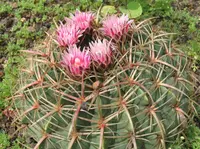



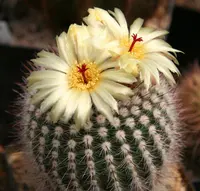
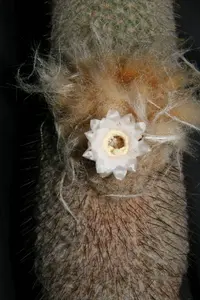

Best Soil for Cactus (Ferocactus macrodiscus)

Ferocactus macrodiscus grows best in gritty, fast-draining soil that supports healthy roots and limits excess moisture around them.

Soil Texture

Sandy, Loamy, Rocky

Soil pH

Slightly acidic (6.5–7.0), Neutral (7.0)

Soil Drainage

Well-drained

Ferocactus macrodiscus Soil Guide

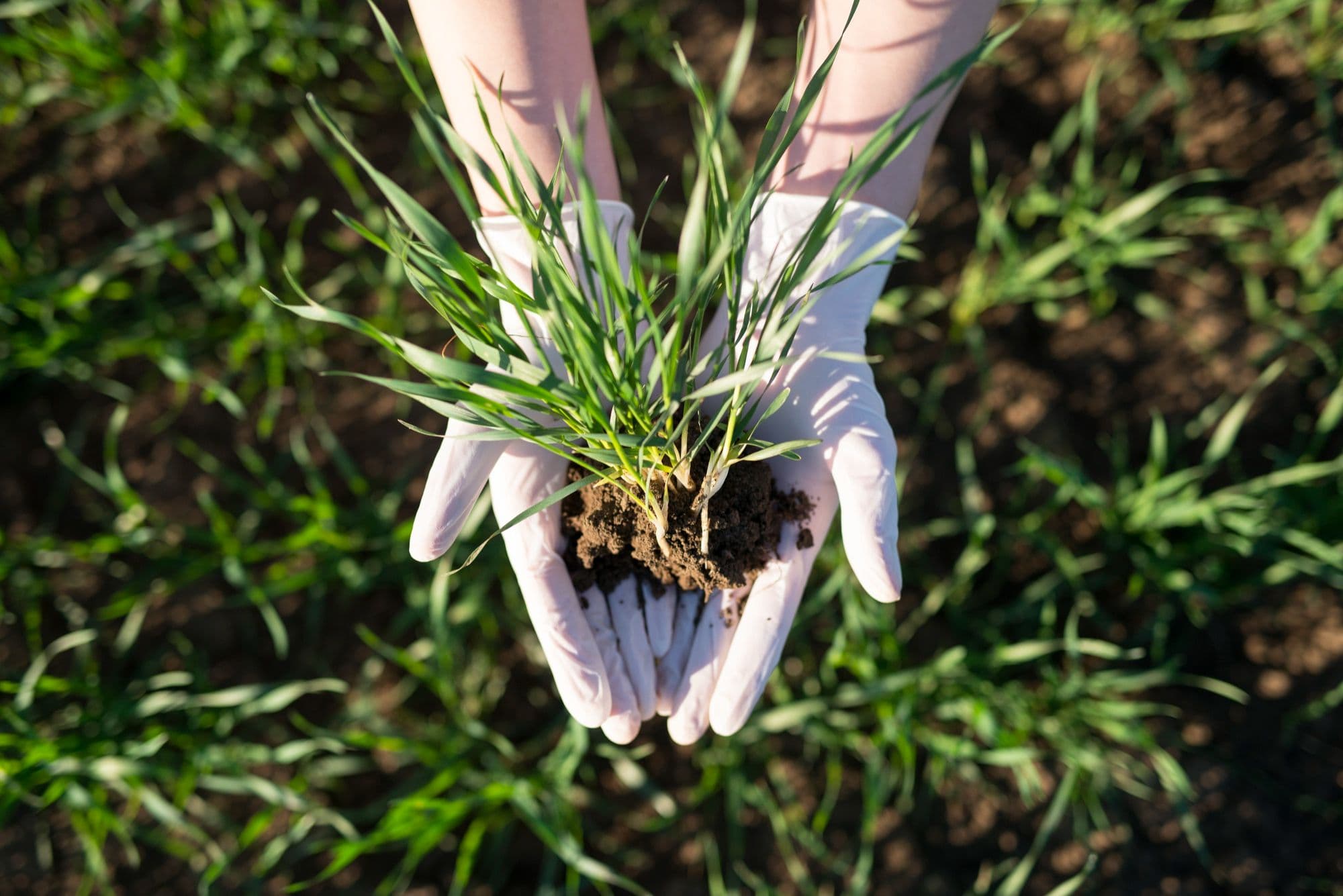
Native to central Mexico, Ferocactus macrodiscus grows in dry, open ground where rain moves through quickly and the soil stays airy. That background explains why the best soil for Cactus is mineral-leaning, loose, and fast draining rather than rich or moisture-retentive.

Its roots are adapted to take up brief moisture and then dry between waterings, so the substrate should hold some moisture for a short time without staying wet. Sandy, loamy, or rocky textures suit this species because they improve oxygen around the roots and reduce compaction.

A simple homemade mix gives Ferocactus macrodiscus the drainage and structure it needs in a container. Keep the blend coarse and open rather than rich or fine-textured.

100% total mix = 20 scoops
10%
small gravel or crushed granite2 scoops
20%
cactus potting soil4 scoops
30%
pumice or perlite6 scoops
40%
coarse sand or poultry grit8 scoops

The finished blend should feel loose, gritty, and airy in the hand, with water moving through quickly instead of lingering around the roots.

A slightly acidic to neutral range of about 6.5–7.0 pH suits Ferocactus macrodiscus well. In that range, key nutrients stay more available without pushing the root zone too far toward acidity or alkalinity.

This species is not especially demanding about minor variation, but staying near neutral helps support steady nutrient uptake over time. A strongly acidic or clearly alkaline mix can make some nutrients harder for roots to access.

Most soil issues develop slowly and are easier to correct early. Cactus is especially vulnerable when the root zone stays dense and airless for too long.

Compaction:

Compaction: Soil that feels hard, dense, or slow to dry can limit root airflow, so gently loosen the surface and review whether the mix has become too fine.

Staying wet too long:

Staying wet too long: If the pot remains heavy for many days, trapped moisture may be building up, so pause extra watering and check drainage flow.

Crusted surface:

Crusted surface: A sealed, hardened top layer can reduce air exchange and slow even wetting, so lightly break the crust and replace it with fresher material if needed.

Mineral buildup:

Mineral buildup: White crust on the soil surface can point to salt accumulation, so scrape off the top layer and flush the container thoroughly when appropriate.

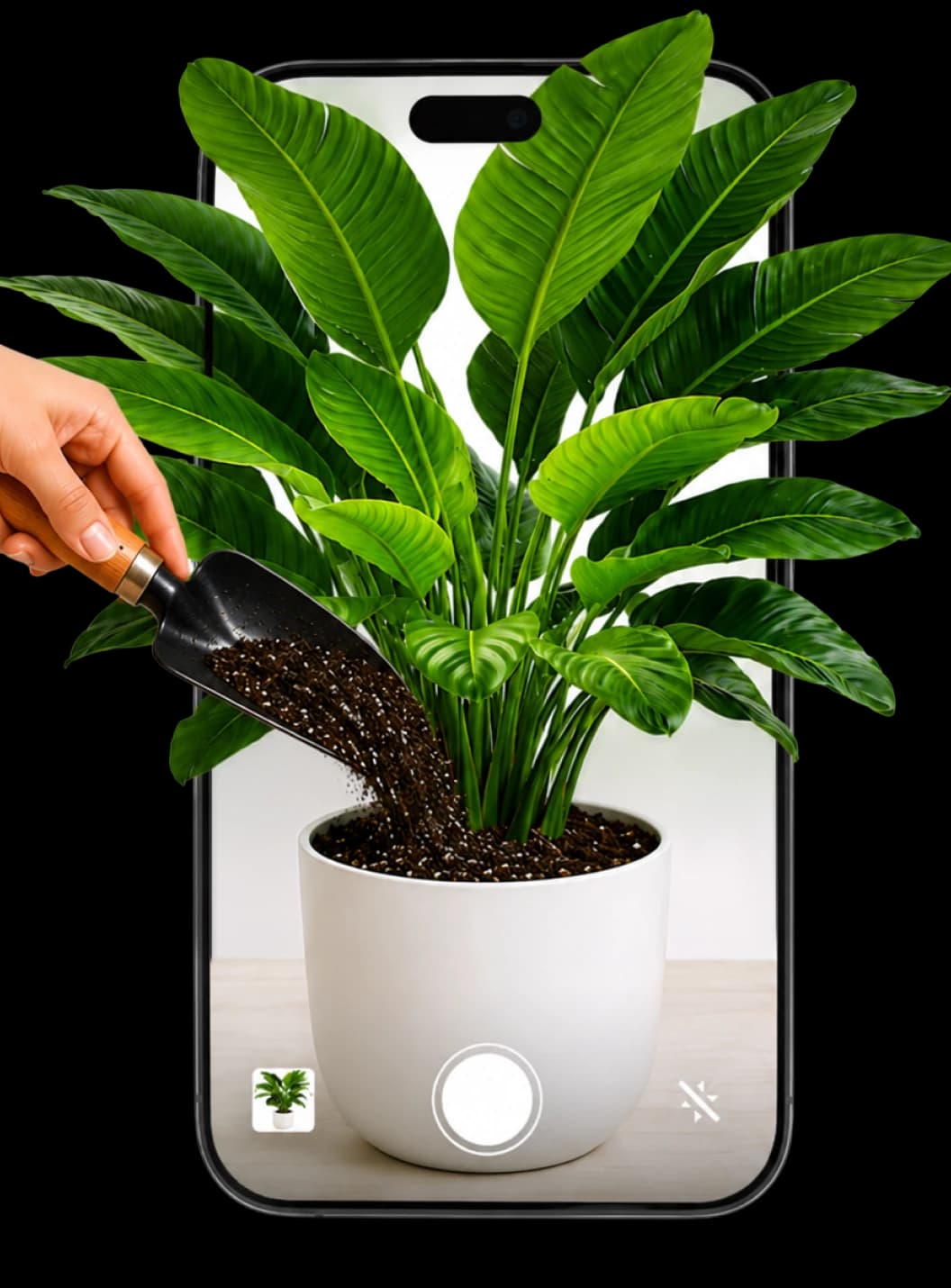
Scan for Better Soil

Botan can help match this plant to a more suitable soil setup by reviewing care patterns and flagging container conditions that may be holding the mix back.

FAQ

Yes. Drainage holes let extra water leave the container and allow the root zone to dry more evenly, which lowers the risk of stale, saturated conditions in a gritty mix.

More Plant Soil Guides

Could It Be the Soil?

Soil may be one factor behind a visible issue. Botan’s photo-based assessment can help you check whether the growing setup is worth a closer look.

Botan app helping with soil and plant care
20 Most Popular Fruits Around the World

7 min read · 22 Jul 2026

20 Most Popular Fruits Around the World

Curious which fruits the world actually eats the most? Here's the top-20 by production volume, an overview of what people choose in each region, and a few figures that defy common assumptions.

Plant Recommendations
20 Most Popular Fruits Around the World
How to Tell if a Plant Is Dead

6 min read · 19 Aug 2026

How to Tell if a Plant Is Dead

A plant can lose its leaves, stop growing, or collapse and still remain alive. A closer look at the stems, roots, bulbs, and tubers can show whether the plant still has a chance to recover.

Beginner Guides
How to Tell if a Plant Is Dead
Planting Grass Seed in Summer – What Works and What Fails

7 min read · 6 Aug 2026

Planting Grass Seed in Summer – What Works and What Fails

Summer seeding succeeds when the grass type suits the season, and the soil stays moist. Find out how to prepare the seedbed and choose a safe window for planting.

Plant Care
Planting Grass Seed in Summer – What Works and What Fails