


Cactus (Ferocactus macrodiscus) Light Needs

Cactus grows best in full sun, with several hours of direct light and bright exposure for the rest of the day.

Light Preference

Full Sun

Ferocactus macrodiscus Light Requirements

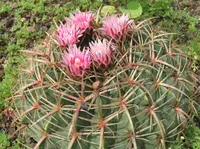
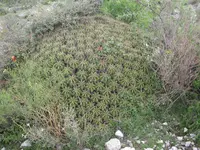
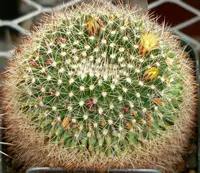
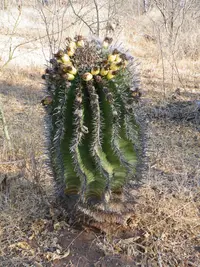
Ferocactus macrodiscus is native to dry, open habitats in Mexico, where sunlight is strong and shade is limited. In the wild, its low, rounded body receives long periods of direct sun, with occasional protection from surrounding rocks or sparse vegetation during the hottest part of the day.

In cultivation, this background translates to a need for open, bright exposure. It prefers full sun.

  • Ideal exposure:

    Cactus needs about 6–8 hours of strong light daily, ideally full sun, including about 4–6 hours of direct sun.

  • Full sun tolerance:

    Established plants can tolerate full outdoor sun when introduced gradually and protected from abrupt changes.

  • Lower-light limits:

    Partial sun is tolerated, but deep shade leads to weak, stretched growth and poor flowering.

  • Afternoon intensity:

    Morning sun is easier to adjust to, while hot afternoon sun is safest after a gradual transition.

Indoors, place this plant where direct sun reaches the pot for several hours most days.

NPoor
North-facing window:

A north-facing window is usually too dim unless strong supplemental light is used for most of the day.

ESuitable
East-facing window:

An east-facing window is suitable when it gives direct morning sun and bright light for the rest of the day.

SBest
South-facing window:

A south-facing window is usually best if the plant sits close to the glass and receives several hours of direct sun.

WSuitable
West-facing window:

A west-facing window can work well, but watch for scorch if the plant was moved from weaker light.

Keep the plant within 1–2 ft of the brightest glass, and introduce stronger sun gradually.

Ferocactus macrodiscus can handle full sun, but sudden exposure can still scorch the skin.

Bleached patches:

Pale tan or whitish areas on the sun-facing side can appear after a fast move into stronger sun.

Corky scars:

Older sunburn may turn dry, rough, and corky, and the mark usually remains even after conditions improve.

Orange tint:

A yellow-orange cast on exposed tissue can suggest strong sun stress, especially with intense afternoon exposure.

Shriveled surface:

Localized wrinkling on the brightest side can follow heat and light stress, especially in a small pot.

Move it out of harsh afternoon sun and reintroduce direct light gradually. Use light shade during the hottest part of the day until new exposure is steady.

Ferocactus macrodiscus does not stay compact in weak light for long. Changes usually show during the active growing season.

  • Stretched crown:

    New growth may become narrower or taller than the older body instead of staying rounded and compact.

  • Leaning body:

    The plant may tilt toward the brightest side when light reaches it from only one direction.

  • Weaker spines:

    New spines may appear thinner, paler, or more widely spaced when the light level is too low.

  • Poor flowering:

    Flowering is less likely indoors or in shade if the plant does not receive enough direct sun.

Move it to stronger light in stages rather than making a sudden jump. Give the brightest position available and watch new growth for a firmer, more even shape.

If ideal full sun is not available, choose the brightest available location and give at least several hours of direct sun rather than all-day shade.

Move the pot into stronger light over 1–2 weeks so the skin adjusts without sudden scorch. Rotate the pot a quarter turn every 1–2 weeks during active growth to keep the body even.

Deep shade is unsuitable because it encourages stretched growth and poor flowering.

Get Personalized Care Plan

Scan your plant to receive care tips personalized for your specific plant

FAQ

This plant grows best in full sun or very bright light, with about 6–8 hours of total exposure daily. The best light for Cactus includes several hours of direct sun.

More Plant Light Guides

Get the Botan App

Discover how to care for your plants with Botan.

Botan app identifying a plant with a phone camera
Is Sugar Water Good for Plants?

4 min read · 14 Sept 2026

Is Sugar Water Good for Plants?

Sugar water may sound like an easy boost, but most rooted plants do not need extra sucrose. This guide explains how green tissues produce carbohydrates, when a sweetened solution can be useful, and why too much can cause problems.

Plant Care
Is Sugar Water Good for Plants?
When to Harvest Tomatillos: How to Tell When They're Ripe

4 min read · 20 Oct 2026

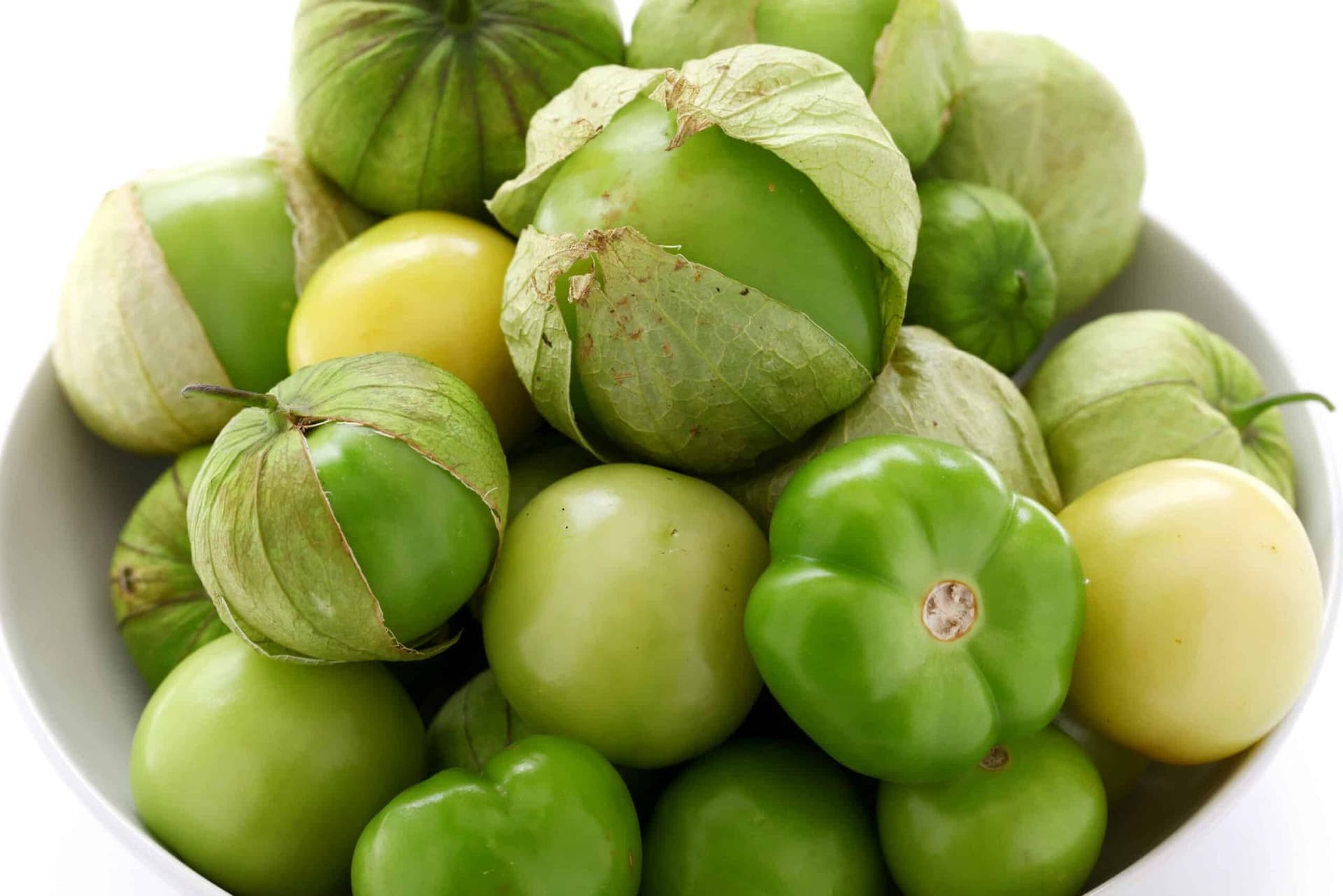
When to Harvest Tomatillos: How to Tell When They're Ripe

Tomatillos grow inside papery husks, making it hard to judge ripeness at a glance. This guide explains how to know when tomatillos are ripe and offers practical advice on harvesting and storage.

Plant Recommendations
When to Harvest Tomatillos: How to Tell When They're Ripe
How to Bottom Water Plants: Complete Guide

6 min read · 13 Jul 2026

How to Bottom Water Plants: Complete Guide

Bottom watering helps soil absorb moisture evenly and keeps foliage dry, reducing the risk of missed dry spots or root problems. Place the pot in a tray of water for a short time, then let it drain well.

Plant Care
How to Bottom Water Plants: Complete Guide