Virginia buttonweed Care (Diodia virginiana)

Also known as: buttonweed
Virginia buttonweed

About Virginia buttonweed

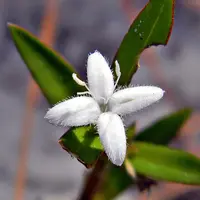
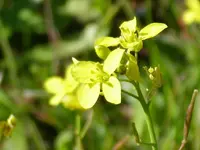
Virginia buttonweed, Diodia virginiana, is a low-growing perennial often found as a spreading groundcover in lawns, ditches, and moist open areas. It forms dense mats with opposite leaves and small, star-shaped white flowers that sit in the leaf axils.

This species is native to the southeastern United States but has spread into many warm, humid regions where soil stays damp. Its vigorous growth, deep rooting, and ability to spread by seeds and stem fragments make it persistent and sometimes difficult to manage.

Those who want to care for Virginia buttonweed should know it favors full sun to partial shade, moist soils, and areas that are not heavily disturbed.

Main Plant Requirements

Care Difficulty

Easy Care

Light Preference

Full Sun

Water Requirements

Regular Water

Temperature Preference

Cold Hardy

Hardiness Zone

6–11

Soil Texture

Sandy, Loamy, Clay

Soil pH

Acidic (5.5–6.5), Slightly acidic (6.5–7.0)

Soil Drainage

Moist but well-drained

Fertilization

Minimal (feed rarely)

Get Personalized Care Plan

Scan your plant to receive care tips personalized for your specific plant

Available on iOS and Android

How to Care for the Virginia buttonweed

This creeping perennial prefers bright, open conditions and thrives where the soil stays consistently moist.

  • Provide 4–6 hours of direct sun, ideally morning sun with light afternoon shade, to keep Virginia buttonweed dense and low-growing.
  • Allow partial shade, especially in hot climates; 2–4 hours of sun plus bright, indirect light helps prevent leaf scorch and drying soil.
  • Watch for leggy, pale stems as a sign of too little light and for leaf crisping or brown edges as a sign of excessive, intense sun exposure.

This species favors moist sites and shows best growth when soil never dries out completely.

  • Aim for consistently damp soil; in the top 2–3 cm, soil should feel cool and slightly moist, not cracked or powdery, before watering again.
  • Increase watering in hot, dry periods or sandy soil, reducing only slightly in cooler months while still preventing the root zone from drying out.
  • Watch for wilting, folding leaves, and slow spread as signs of underwatering, and for yellowing, mushy stems as indicators of prolonged saturation and poor drainage.

This warm-season perennial grows best in mild to hot conditions and slows when temperatures drop.

  • Support active growth at 70–90°F (21–32°C), which matches typical summer temperatures in much of its range.
  • Expect foliage damage around 28–30°F (-2 to -1°C); roots may survive brief light frosts but repeated freezes can thin or kill patches.
  • This plant tolerates heat above 95°F (35°C) if soil moisture stays high, but growth declines in prolonged cool weather below 60°F (16°C).

This species is humidity-flexible and copes well with typical outdoor ranges.

  • Target 40–60% humidity, which matches many temperate summer conditions where Virginia buttonweed often grows naturally.
  • It tolerates brief drier air but may wilt faster and show marginal leaf browning during hot, windy spells.
  • Increase local humidity by mulching the soil surface and grouping plants so foliage shades the ground and slows evaporation.

This species prefers moist, aerated soil that does not stay waterlogged for long.

  • Use a loamy or sandy loam soil with moderate organic matter, such as a mix of garden soil, compost, and coarse sand in equal parts.
  • Aim for slightly acidic to neutral pH around 5.5–7.0, which supports nutrient uptake and healthy Diodia virginiana growth.
  • Improve drainage and aeration in heavy clay by incorporating coarse sand or fine gravel at 20–30% of the volume.
  • Avoid compacted, constantly saturated, or highly alkaline soil, which encourages root decline and weak, chlorotic foliage.

This species can be grown in containers, but management must control its spreading habit.

  • Choose a wide, shallow pot to accommodate its creeping roots and limit outward spread while keeping growth accessible for monitoring.
  • Use a heavier container material, such as ceramic, to stabilize the plant and prevent tipping as stems trail over the rim.
  • Elevate the pot on feet or bricks so drainage holes stay clear and excess water escapes quickly, preventing soggy substrate.

Diodia virginiana generally thrives without routine feeding in average garden soil.

Pruning Diodia virginiana is mainly used to limit spread and improve appearance.

  • Cut back trailing or invasive stems in late spring or mid-summer to keep patches contained.
  • Remove dead, damaged, or diseased growth with sharp hand pruners to reduce stress and pathogen spread.
  • Shear or trim lightly after flowering flushes to maintain a lower, denser mat of foliage.

Transplanting Virginia buttonweed focuses on managing spread rather than long-term container growth.

  • Transplant or lift clumps in early spring or early fall, when temperatures are mild and soil is moist.
  • Move plants only when growth seems overcrowded or when stems invade unwanted lawn or bed areas.
  • Dig widely to capture as many roots as possible, then replant at the same depth in loosened soil.
  • Water thoroughly after transplanting and keep soil evenly moist for 1–2 weeks to limit root stress.

Diodia virginiana spreads aggressively, so intentional propagation is rarely necessary.

This species is generally cold hardy in its outdoor range and needs little dedicated winter care.

  • In colder zones, allow top growth to die back naturally while roots overwinter in soil.
  • Apply a light 2–5 cm mulch layer in late fall on exposed sites to moderate soil temperature swings.
  • For container specimens in marginal climates, move pots to a sheltered, unheated space to avoid root freeze–thaw cycles.

Care Tips

Mow Timing Management

If Virginia buttonweed appears in turf, mow frequently enough to prevent flowering and seed set, removing clippings from infested patches to reduce seed spread into clean areas.

Targeted Spot Treatments

Use a directed spray or wick applicator to apply appropriate selective herbicide only to buttonweed foliage, shielding nearby desirable plants with cardboard or plastic to avoid off-target damage.

Hand Removal Technique

Moisten the soil before hand-pulling and lift stems gently but firmly from a low point along the stem to remove as much of the shallow root system and stolons as possible, then bag and dispose of the material instead of composting it.

Edge Containment Strategy

Install a shallow physical barrier 10–15 cm deep around beds or along turf edges in heavily infested sites to reduce lateral spread of creeping stems into adjacent planting areas.

Seasonal Monitoring Routine

Begin monitoring for new plants in late spring and mark small patches with flags or stakes so they can be treated early and revisited through summer, which is one of the most efficient approaches when caring for Virginia buttonweed in established lawns.

Common Pests and Diseases

Southern blight

This disease causes sudden wilting and collapse of stems, often with a white, cottony fungal growth and small tan to orange sclerotia at the soil line. Symptoms include rapid decline in hot, humid weather and rotting of lower stems and crowns.

Solution

Carefully dig out and discard infected plants along with the surrounding soil, and avoid moving contaminated soil to clean areas. Reduce moisture around the crown by avoiding overhead irrigation, improve drainage, and, where allowed, spot-treat the soil surface around plants with a labeled fungicide for southern blight following local regulations and label directions.

Leaf spot (fungal)

This disease produces small, irregular brown to dark spots on leaves that may coalesce, leading to yellowing and premature leaf drop. Symptoms include cosmetic damage first, followed by thinning and decline in dense, moist stands.

Solution

Remove and dispose of heavily spotted foliage to reduce spore load, and avoid overhead watering that keeps leaves wet for long periods. Improve air circulation by thinning dense patches, and if the problem is recurring in a turf or groundcover setting, consult local extension guidance for an appropriate site-labeled fungicide and apply only as directed.

Nematode injury

This problem results from microscopic roundworms feeding on roots, leading to poor vigor, stunted growth, and a thin, uneven stand, especially in sandy or compacted soils. Symptoms include reduced spread and increased sensitivity to drought stress despite adequate watering.

Solution

There is no practical home treatment that eliminates plant-parasitic nematodes, so management focuses on improving soil health with organic matter, reducing compaction, and maintaining even moisture to support root regrowth. Where infestation is severe, rotate to less susceptible species or use raised beds or containers with clean soil, and consult local extension services before considering any nematicidal product.

White grubs

These insects feed on roots below ground, causing patches of Virginia buttonweed to thin, yellow, and pull up easily with little resistance. This pest is more common in turf and lawn settings where buttonweed grows mixed with grass.

Solution

Check suspect areas by lifting small turf sections and hand-picking grubs where numbers are low, and encourage predators such as birds by briefly exposing infested soil. In larger lawn areas, follow local extension recommendations for timing and selection of a soil-applied grub control product, and irrigate correctly before and after application according to the label to target larvae in the root zone.

Interesting Facts

Warm‑season lawn invader

This species behaves as a perennial broadleaf weed in warm climates, aggressively spreading through lawns and turf by both seeds and creeping stems that root at the nodes wherever they touch moist soil.

Distinctive four‑petaled flowers

The plant produces small white tubular flowers with four distinct petals that sit in the leaf axils close to the stems, a key field trait used to distinguish it from many other low turf weeds.

Adapted to wet soils

Virginia buttonweed thrives in poorly drained, low‑lying, or periodically flooded sites where many turfgrasses struggle, which allows it to outcompete desirable lawn species under chronically wet conditions.

Botan icon

Did you know?

Virginia buttonweed fruits form small, paired capsules that resemble tiny buttons pressed into the leaf axils, an unusual fruiting pattern that inspired its common name and makes the plant relatively easy to recognize in the field.

FAQs about Virginia buttonweed

This species spreads very aggressively through seeds, creeping stems, and root fragments. It quickly forms dense mats in lawns and moist sites. Even small pieces left in soil can re-sprout, so consistent removal is needed to limit spread.

Grow Healthy Plants with Botan Care

Keep your plants happy and healthy with plant identification, disease detection, and easy care guidance.

Botan plant care app — identify plants on mobile

Explore More Plants