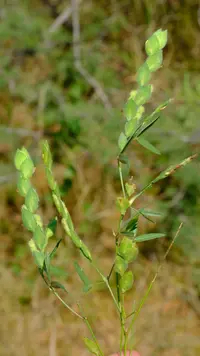
eltrot Care (Heracleum sphondylium)

Also known as: hogweed, European cow-parsnip, Eurasian cow parsnip, meadow cow parsnip
eltrot

About eltrot

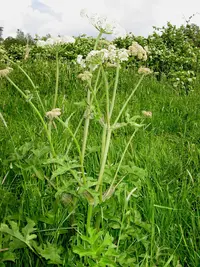
Eltrot, known botanically as Heracleum sphondylium, is a robust perennial herb in the carrot family. It forms tall, hollow, ridged stems with large, divided leaves and flat-topped clusters of small white flowers.

This species is native to Europe and parts of western Asia, often found in meadows, woodland edges, and roadside verges. It spreads by seed and can naturalize easily where conditions suit it.

Heracleum sphondylium prefers moist, fertile soil and performs best in cool to mild climates with good light but not extreme heat. Gardeners should learn how to care for eltrot before planting, as its vigorous growth and sap reactions require thoughtful placement and handling.


Main Plant Requirements

Care Difficulty

Moderate Care

Light Preference

Partial Sun

Water Requirements

Regular Water

Temperature Preference

Cold Hardy

Hardiness Zone

3–7

Soil Texture

Loamy, Silty, Organic-rich

Soil pH

Acidic (5.5–6.5), Slightly acidic (6.5–7.0)

Soil Drainage

Moist but well-drained

Fertilization

Minimal (feed rarely)

Get Personalized Care Plan

Scan your plant to receive care tips personalized for your specific plant

Available on iOS and Android

How to Care for the eltrot

Heracleum sphondylium prefers cool, moist sites with moderate light rather than strong, all-day sun.

  • Provide 4–6 hours of sun daily, ideally morning sun with light afternoon shade to reduce leaf scorch and soil drying.
  • Plant in locations with dappled or filtered light under taller vegetation; eltrot tolerates bright overcast conditions and partial shade well.
  • In hot summers, protect from intense sun between 11 a.m.–4 p.m.; in cooler climates, an open east or north exposure supports sturdy, compact growth.

This species favors consistently moist but not waterlogged soil, especially during active growth.

  • Water whenever the top 3–5 cm of soil feels slightly dry, aiming for evenly moist conditions in spring and early summer when growth is most vigorous.
  • Use deep, infrequent watering rather than light sprinkling so moisture reaches the full root zone and the soil drains freely afterward.
  • Reduce supplemental water in late summer and autumn, watching for wilting or crispy edges as signs of underwatering and yellowing, soft stems as signs of excess moisture in Heracleum sphondylium.

This plant is a hardy temperate species that withstands cool conditions better than heat.

  • Optimal growth occurs around 55–70°F (13–21°C), especially in spring and early summer when soil remains cool and evenly moist.
  • Mature plants tolerate winter lows down to about 5–10°F (-15 to -12°C) when established in the ground and mulched lightly in colder regions.
  • Heat above 80–85°F (27–29°C) can cause stress; provide extra shade and soil moisture during hot spells and avoid reflective, heat-trapping sites.

Humidity is not a major factor for Heracleum sphondylium grown outdoors in typical temperate climates.

Heracleum sphondylium prefers consistently moist, deep, fertile soil that does not stay waterlogged.

  • Use a loamy mix rich in organic matter, combining garden soil with 30–40% compost or well-rotted manure.
  • Ensure slow to moderate drainage; soil should hold moisture yet drain within a few hours after heavy watering or rain.
  • Aim for slightly acidic to neutral pH around 6.0–7.0, avoiding strongly acidic or chalky, very alkaline sites.
  • Improve aeration and structure by incorporating coarse sand or fine grit into heavy clay, avoiding compacted or stony ground.

This species is generally unsuitable for long-term container growing due to its size and strong root system.

Heracleum sphondylium is a robust wild perennial that usually needs only modest feeding in average soil.

  • Apply a light layer of garden compost or well-rotted manure around the base in early spring to support new growth.
  • In poorer soils, use a balanced slow-release fertilizer (around 10-10-10) at half label rate once in spring.
  • Avoid repeated feeding during summer; excess nutrients can cause weak, top-heavy growth and lodging.
  • Container-grown plants or those under how to take care of eltrot conditions may benefit from a dilute balanced liquid feed every 4–6 weeks in the growing season.

Pruning Heracleum sphondylium focuses on safety, containment, and encouraging tidy growth rather than shaping.

  • Cut back spent flower umbels before seeds mature in mid to late summer to limit self-seeding and spread.
  • Remove dead, damaged, or diseased stems at ground level using sharp pruners, wearing gloves for skin protection.
  • Thin crowded stems in dense clumps to improve air circulation and reduce fungal issues.
  • At season’s end, cut old stalks down to near ground level to keep the area clear and encourage fresh spring growth.

This species is usually grown in the ground, so care focuses on transplanting young plants rather than frequent repotting.

  • Transplant in early spring or early autumn when temperatures are mild to reduce stress on roots.
  • Move plants when roots are circling a pot, growth is noticeably slow, or the plant wilts quickly after watering.
  • Lift with a generous soil ball, keep roots shaded and moist, and replant at the same depth in well-prepared, moist soil.
  • Water thoroughly after transplanting, then keep soil evenly moist for 1–2 weeks to help roots re-establish.

Heracleum sphondylium is most often propagated from seed, as division is less practical for mature, deep-rooted plants.

  • Collect seeds when umbels turn brown, then sow fresh in late summer or autumn outdoors.
  • Use a free-draining, moist seed bed or trays left in a cool, bright place; natural winter chilling aids germination.
  • Cover seeds very lightly, keep soil just moist, and expect germination in spring after cold exposure.
  • Transplant seedlings when they have 2–3 true leaves, handling roots gently to avoid disturbance.

This hardy perennial tolerates typical temperate winters and usually needs minimal special care.

  • After frost blackens foliage, cut back dead stems to reduce disease carryover and keep the site tidy.
  • Apply a light mulch layer (2–5 cm) of compost or leaf mold around the crown in colder regions to buffer freeze–thaw cycles.
  • Container plants in very cold climates can be moved to a sheltered, unheated area to prevent root ball freezing solid.

Care Tips

Protective handling

Always handle this plant with nitrile or vinyl gloves, long sleeves, and eye protection, and wash exposed skin and tools immediately after contact to reduce the risk of phytophotodermatitis, which is a light-activated skin reaction.

Targeted thinning

In late spring, selectively remove the strongest flower stalks before they fully develop to reduce self-seeding and keep the stand more manageable without having to remove every plant.

Seed head management

As umbels fade, cut and bag seed heads before seeds dry and disperse, then dispose of them with household trash rather than compost to prevent unwanted spread.

Root control strategy

For plants encroaching on paths or beds, cut the taproot with a sharp spade 5–10 cm below the crown in early growth, then remove the rosette to gradually deplete the root system while leaving surrounding vegetation undisturbed.

Buffer zone planning

When planning a bed or wildflower strip that includes this species, keep a 1–2 m mown or mulched buffer between the plants and frequently used paths or play areas to limit accidental contact during caring for eltrot.

Common Pests and Diseases

Powdery mildew

This disease causes a white, powdery coating on leaves, stems, and flower stalks, often appearing in warm, dry conditions with poor air movement. Symptoms include distorted growth and premature yellowing or browning of foliage.

Solution

Remove and dispose of heavily infected leaves to reduce spore spread, and avoid overhead watering so foliage dries quickly. Improve spacing and airflow around the plants, and if needed apply a sulfur or potassium bicarbonate fungicide labeled for powdery mildew, following label directions carefully.

Leaf spot

This disease produces small brown to dark purple spots on leaves that may merge into larger blotches, often with yellow halos. Symptoms include early leaf drop and reduced vigor in dense or shaded stands.

Solution

Cut back and destroy affected leaves to remove sources of infection, and keep foliage as dry as possible by watering at the base in the morning. Improve light and air circulation, and use a copper-based fungicide only if the problem is recurring and severe, following local guidelines.

Aphids

These insects cluster on young stems, leaf undersides, and flower stalks, sucking sap and excreting sticky honeydew. This pest can cause curling or distortion of new growth and may attract sooty mold fungi on the sugary deposits.

Solution

Spray colonies off with a strong stream of water, focusing on the undersides of leaves and soft tips. For persistent infestations, use insecticidal soap or a light horticultural oil, applying in cool parts of the day and repeating as needed according to the product label.

Giant hogweed leaf miner

This pest creates pale, winding tunnels or blotches inside leaves as larvae feed between the leaf surfaces. Symptoms include translucent patches and weakened foliage on Heracleum species in areas where this fly is present.

Solution

Remove and destroy mined leaves before larvae complete development to reduce the next generation. Encourage natural predators by avoiding broad-spectrum insecticides, and in severe recurring cases consider targeted treatments with systemic insecticides approved for ornamental umbellifers, following regional regulations.

Slugs and snails

These pests chew irregular holes in young leaves and seedlings, often leaving slime trails on or around the plant. This pest is most active in damp, shaded conditions and can severely damage emerging growth.

Solution

Hand-pick slugs and snails in the evening or early morning, and reduce hiding places such as dense debris near the plant. Use iron phosphate slug baits placed away from children and pets, and combine with barriers such as copper tape or rough mulches to protect vulnerable young plants.

Interesting Facts

Native European umbellifer

This species is a widespread wildflower across much of Europe, especially common in meadows, hedgerows, and roadside verges, where it forms part of the typical tall herb vegetation in nutrient-rich soils.

Key insect nectar source

Its flat-topped white flower umbels provide accessible nectar and pollen for a wide range of insects, including hoverflies, solitary bees, and beetles, making it an important resource in traditional hay meadows.

Mildly phototoxic sap

The plant contains furanocoumarins in its sap, which can cause skin irritation or blistering when combined with strong sunlight, although its effects are generally less severe than those of the closely related giant hogweed, Heracleum mantegazzianum.

Botan icon

Did you know?

In traditional European hay meadows, this species often contributes significantly to the tall forb layer, and its presence is sometimes used by botanists as an indicator of long-established, relatively undisturbed grassland with a high diversity of broad-leaved herbs.

FAQs about eltrot

Yes. The sap contains furanocoumarins that can cause severe skin irritation and blistering when exposed to sunlight, a reaction called phytophotodermatitis. Pets and children should be kept away, and gloves, sleeves, and eye protection are essential.

Grow Healthy Plants with Botan Care

Keep your plants happy and healthy with plant identification, disease detection, and easy care guidance.

Botan plant care app — identify plants on mobile

Explore More Plants