carelessweed Care (Amaranthus palmeri)

Also known as: Palmer's Amaranth, Dioecious Amaranth
carelessweed

About carelessweed

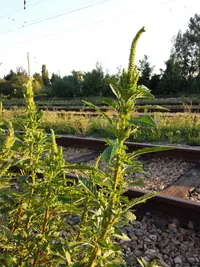
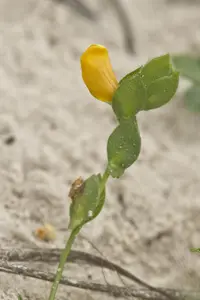
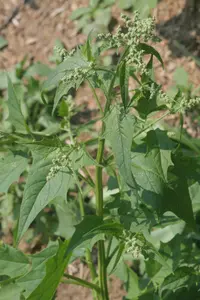
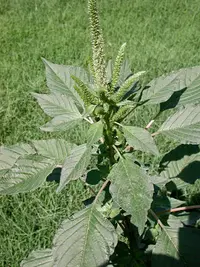
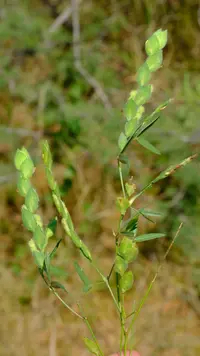
Carelessweed, Amaranthus palmeri, is a fast-growing annual broadleaf plant known for its tall, upright stems and narrow, lance-shaped leaves. It often forms dense stands in open, disturbed ground.

This species is native to the arid and semi-arid regions of the southwestern United States and northern Mexico, but it has spread widely as a common agricultural weed. It produces many small flowers and seeds, which contributes to rapid spread and persistence.

Amaranthus palmeri grows vigorously in full sun, warm temperatures, and well-drained soils, and it tolerates drought once established. These traits make it resilient and easy to establish, but also challenging to control when learning how to care for carelessweed in managed landscapes.

Main Plant Requirements

Care Difficulty

Easy Care

Light Preference

Full Sun

Water Requirements

Low Water

Temperature Preference

Tropical / Frost Sensitive

Hardiness Zone

6–11

Soil Texture

Sandy, Loamy, Clay

Soil pH

Slightly acidic (6.5–7.0), Slightly alkaline (7.0–7.5)

Soil Drainage

Well-drained

Fertilization

Minimal (feed rarely)

Get Personalized Care Plan

Scan your plant to receive care tips personalized for your specific plant

Available on iOS and Android

How to Care for the carelessweed

Amaranthus palmeri thrives in strong, direct sun across its growing season.

  • Provide 6–10 hours of full sun daily; open, unshaded sites encourage sturdy stems and dense foliage.
  • The plant tolerates light partial shade, especially 2–4 hours of late-afternoon shade, but too much shade leads to lanky, weak growth in carelessweed.
  • In hot summers, prioritize morning sun with some protection from intense 3–6 p.m. sun to reduce leaf scorch and moisture stress.

This species prefers consistently dry to slightly moist soil rather than frequent, heavy watering.

  • Allow the top 3–5 cm of soil to dry fully before watering; use this as a guide instead of a fixed schedule.
  • Water deeply but infrequently so moisture reaches 10–15 cm down, ensuring soil drains freely and no water stands for more than 1–2 hours.
  • In hot, windy weather, watch for dull, folding leaves as a sign of drought stress; yellowing, soft stems often indicate overwatering or poor drainage around Amaranthus palmeri.

This warm-season annual grows best in sustained heat and is highly sensitive to frost.

  • Optimal growth occurs at 75–95°F (24–35°C); plants establish poorly below 65°F (18°C).
  • Avoid exposure to frost; tissue damage starts near 32°F (0°C), and plants usually die if temperatures drop below 28°F (-2°C).
  • The species tolerates brief spikes up to 105–110°F (41–43°C) if soil moisture is adequate, but prolonged extreme heat with dry soil causes wilting and slower growth.

Humidity has little impact on Amaranthus palmeri, which is adapted to dry, arid conditions.

Amaranthus palmeri thrives in loose, well-drained mineral soils that do not stay soggy.

  • Use a sandy or sandy-loam base with 10–20% compost to add nutrients without making the soil heavy.
  • Aim for a slightly acidic to neutral pH around 6.0–7.5, adjusting with garden lime or elemental sulfur if needed.
  • Improve drainage and aeration by incorporating coarse sand or fine gravel, especially in dense or clay-heavy ground.
  • Avoid compacted, waterlogged, or peat-heavy substrates, which reduce oxygen around the roots and encourage root diseases.

This species can be grown in containers but tends to outgrow small pots quickly and may become unstable.

  • Choose a deep, heavy container to prevent tipping, as the tall, vigorous stems create a high center of gravity.
  • Select a potting mix with added coarse sand or fine grit so water passes through rapidly, mimicking its natural dry habitats.
  • Position the container where wind exposure is moderate, or brace it against a wall, since tall plants catch wind easily and can lean or fall.

Amaranthus palmeri grows vigorously in average soil and usually needs only light feeding, especially when managed as a wild or field plant like carelessweed.

  • Use a balanced, diluted liquid fertilizer (for example 10-10-10 at 1/2 strength) only for container or nutrient-poor plantings during active growth.
  • Feed every 3–4 weeks in late spring through summer if growth appears pale or weak.
  • Incorporate compost or well-rotted organic matter into the soil before planting instead of frequent liquid feeding.
  • Stop fertilizing in late fall and avoid feeding during winter dormancy or when growth has stalled.

Pruning Amaranthus palmeri is mainly used for size control, health, and to limit unwanted self-seeding.

  • Cut back damaged, diseased, or storm-broken stems as soon as noticed using clean, sharp pruners or scissors.
  • In late spring to mid-summer, remove overly tall or crowded stems to improve air flow and reduce lodging risk.
  • Deadhead developing flower spikes before seed set if you want to reduce spread and volunteer seedlings.
  • Make clean cuts just above a leaf node to encourage branching and a bushier shape in managed plantings.

This species is usually field-grown, so care focuses on transplanting seedlings rather than long-term container repotting.

  • Transplant when seedlings have 2–3 true leaves and roots lightly fill the plug but are not circling the container.
  • Choose late spring, after frost risk, so soil is warm and young plants establish quickly outdoors.
  • Water seedlings well a few hours before lifting, then handle by the root ball, not the stem, to limit root stress.
  • Plant into loosened, well-drained soil at the same depth, firm gently, and water thoroughly to settle roots and remove air pockets.

Amaranthus palmeri is most commonly propagated by seed, which forms abundantly under typical growing conditions.

  • Collect mature seed heads in late summer to early fall and dry them in a paper bag before cleaning the seeds.
  • Sow seeds in spring on the soil surface or barely covered, as light supports germination.
  • Maintain 70–80°F, consistent moisture, and good air flow for fast, even sprouting.
  • Thin crowded seedlings promptly to reduce competition and encourage sturdy individual plants.

Amaranthus palmeri is a warm-season annual, so plants naturally die after frost and require minimal winter care.

  • After the first hard frost, remove and dispose of dead plants to limit unwanted reseeding and pest harborage.
  • For managed beds, mulch the soil lightly after cleanup to protect structure and soil organisms over winter.
  • Container-grown plants are not overwintered; empty, clean, and store pots for use next growing season.

Care Tips

Early thinning strategy

Once seedlings reach 5–8 cm tall, thin crowded patches so plants stand at least 20–30 cm apart to reduce competition, improve airflow, and produce sturdier stems.

Timely weed removal

Remove nearby fast-growing weeds before they set seed, as this species already competes aggressively and excess weed pressure will reduce vigor and seed quality.

Staggered sowing

Sow in 2–3 small batches spaced 10–14 days apart to spread risk from heat spikes, storms, or pest outbreaks and to extend the useful life of foliage and seed heads.

Targeted seed collection

For clean seed, bag selected inflorescences with fine mesh just before they fully mature, then cut and dry them under cover to prevent shattering and loss in the field.

Rotation and sanitation

Rotate planting areas yearly and remove old stems and fallen seed heads after harvest to limit disease build-up and volunteer seedlings when growing carelessweed in the same garden.

Common Pests and Diseases

Pigweed weevil

This pest is a small beetle whose larvae tunnel inside stems and leaf petioles, causing wilted shoots and stunted growth. Symptoms include hollow stems, weak branching, and sometimes lodging of taller plants.

Solution

Hand-remove and destroy heavily damaged stems, and remove nearby weedy pigweeds that host the beetle. For larger stands, scout regularly and, if damage is increasing, use a targeted insecticide labeled for weevils on pigweed while also encouraging beneficial predators by avoiding broad-spectrum sprays when not necessary.

Pigweed flea beetle

These insects chew small round holes in leaves, which can merge into larger ragged areas on seedlings and young plants. Severe feeding weakens plants and can slow early growth.

Solution

Protect young plants with floating row covers or fine mesh until they are established, and reduce nearby pigweed and amaranth weeds that act as reservoirs. If damage is heavy, use spot treatments with a beetle-targeted insecticide in the early morning while also preserving natural enemies by limiting treatment to affected zones only.

Pigweed curculio

This pest is a seed-feeding beetle whose larvae develop in flower heads, reducing seed set and sometimes deforming inflorescences. Infested seedheads may appear shriveled or contain small exit holes.

Solution

Cut and destroy infested flower heads before larvae complete development to reduce future populations. Maintain good field or garden sanitation by removing volunteer pigweed and related species, and consider rotating planting areas so repeated hosts are not grown in the same location year after year.

Powdery mildew

This disease produces white to light gray powdery patches on upper leaf surfaces, stems, and sometimes flower spikes. Infected leaves may yellow, curl, and age prematurely, especially in crowded or shaded stands.

Solution

Improve air circulation by thinning plants and avoiding dense, weedy growth, and water at soil level rather than overhead to keep foliage dry. Remove and discard heavily infected leaves and plant residues, and if conditions remain favorable for disease, apply a labeled sulfur or potassium bicarbonate product as a preventative treatment following all label directions.

Leaf spot complex

Symptoms include small tan, brown, or dark spots on leaves that may enlarge and merge, leading to blighting of older foliage. These spots are commonly caused by fungi such as Cercospora or other pigweed-associated pathogens that thrive in warm, humid conditions.

Solution

Remove and dispose of spotted, heavily affected leaves and avoid overhead watering to limit leaf wetness duration. Practice strict crop and weed sanitation, rotate away from dense pigweed growth, and if disease pressure is high, use a registered foliar fungicide and apply at the first sign of spotting according to product instructions.

Interesting Facts

C4 photosynthesis specialist

This species uses an efficient C4 photosynthetic pathway combined with rapid leaf expansion, which allows it to grow very quickly and maintain high productivity under intense heat and light in arid and semi-arid environments.

Exceptional genetic diversity

Populations of this species show high genetic variation, which has enabled rapid evolution of resistance to several herbicide modes of action, including widespread resistance to glyphosate in major crop-producing regions.

Separate male and female plants

It is a dioecious plant, meaning individual plants are either male or female, and this separation of sexes promotes extensive cross-pollination and long-distance gene flow through wind-dispersed pollen.

Botan icon

Did you know?

In some heavily infested agricultural fields, dense stands of this species have been documented to grow taller than many row crops and significantly reduce their yields, which has led to its listing as one of the most economically damaging agricultural weeds in parts of the United States.

FAQs about carelessweed

This species spreads very aggressively by seed. Each plant can produce hundreds of thousands of seeds that stay viable in soil for years, rapidly colonizing disturbed ground and cropland if not carefully controlled and monitored.

Grow Healthy Plants with Botan Care

Keep your plants happy and healthy with plant identification, disease detection, and easy care guidance.

Botan plant care app — identify plants on mobile

Explore More Plants