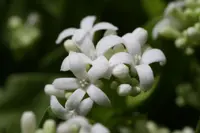
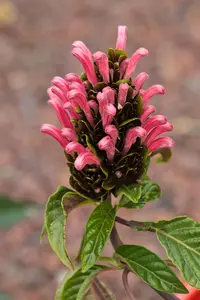
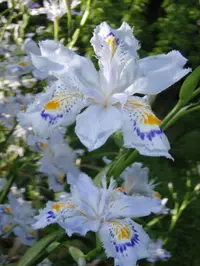
feathered pink Care (Dianthus plumarius)

Also known as: Garden Pink, Cottage Pink, common pink, Wild Pink
feathered pink

About feathered pink

Feathered pink (Dianthus plumarius) is a compact, mat-forming perennial grown mainly for its fringed, clove-scented flowers. It typically forms low cushions of narrow, blue-green leaves. Blooms are usually pink, white, or bicolored, with finely cut petal edges that give a delicate, feathery look. The plant naturally occurs in parts of central and southern Europe, often in dry, rocky grasslands. It adapts well to sunny borders, rock gardens, and containers, staying relatively small and tidy. Dianthus plumarius is generally easy to grow if given full sun, well-drained soil, and moderate moisture. Understanding how to care for feathered pink helps keep plants compact, floriferous, and long lived.

Main Plant Requirements

Care Difficulty

Easy Care

Light Preference

Full Sun

Water Requirements

Moderate Water

Temperature Preference

Cold Hardy

Hardiness Zone

4–9

Soil Texture

Sandy, Loamy, Rocky

Soil pH

Slightly acidic (6.5–7.0), Slightly alkaline (7.0–7.5)

Soil Drainage

Well-drained

Fertilization

Minimal (feed rarely)

Get Personalized Care Plan

Scan your plant to receive care tips personalized for your specific plant

Available on iOS and Android

How to Care for the feathered pink

Dianthus plumarius needs plenty of sun to produce compact growth and abundant flowers.

  • Provide 6–8 hours of direct sun daily; morning sun with light afternoon shade is ideal in hot summers.
  • Plant in an open spot, avoiding dense shade where plants stretch, flop, and bloom poorly.
  • In very hot, exposed sites, protect from intense midafternoon sun to reduce leaf scorch and faded blooms, especially in late spring–summer.

This species prefers slightly dry conditions and suffers more from excess moisture than from brief dryness.

  • Water only when the top 2–4 cm of soil is dry, then soak thoroughly so water drains freely away from the roots.
  • Use sharply drained, gritty or sandy soil; standing water or heavy clay greatly increases risk of root rot in Dianthus plumarius.
  • In cool seasons reduce watering and watch foliage; yellowing, limp leaves suggest overwatering, while dry, crispy tips indicate underwatering.

This hardy perennial tolerates cool climates but grows and flowers best in moderate temperatures.

  • Aim for active growth in 55–75°F (13–24°C); flowering is strongest in cool spring and early summer conditions.
  • Mature plants tolerate down to about 0°F (−18°C) with good drainage, but wet winter soils increase cold damage risk.
  • In hot regions, plants handle short periods up to 90°F (32°C) if soil does not dry out completely and they receive some afternoon shade.

This species prefers relatively dry air and is comfortable in typical indoor humidity levels around 30–50%.

  • Tolerates dry indoor air well and does not need misting, making feathered pink low-maintenance in low-humidity homes.
  • Watch for browned petal edges and crispy leaf tips as signs that very dry air and heat are stressing the plant.
  • If air is below 25% and plants sit near heaters, place a shallow pebble tray with water nearby to slightly raise local humidity without wetting foliage.

This plant needs fast-draining, light soil that never stays waterlogged.

  • Use a sandy or gritty loam with a crumbly structure to keep roots aerated and prevent compaction.
  • Aim for slightly alkaline to neutral pH, around 7.0–7.5, which supports strong growth and flowering in Dianthus plumarius.
  • Blend 2 parts commercial potting mix with 1 part coarse sand or grit and 1 part perlite to improve drainage and air spaces around roots.
  • Avoid dense clay, heavy peat-based mixes, or soils that stay wet longer than 1–2 days after watering, as these conditions promote root rot.

This species grows very well in containers when drainage and root space are managed carefully.

  • Choose a wide, shallow pot to suit its fibrous, surface-leaning roots and to keep the plant from sitting in a tall column of damp mix.
  • Use a heavier material such as ceramic or clay outdoors so the container resists tipping as flowering stems elongate and catch wind.
  • Raise the pot on feet or bricks so drainage holes clear the ground and excess water runs off quickly after rain or watering.

Dianthus plumarius benefits from modest feeding in lean garden soils but does not need heavy fertilization.

  • Apply a balanced liquid fertilizer (for example 10-10-10) at half strength every 4–6 weeks during spring and early summer.
  • Use a light top-dressing of fine compost around the clump instead of high-nitrogen lawn products.
  • Reduce feeding in late summer and stop during winter dormancy to avoid weak, floppy growth.
  • For feathered pink in containers, consider a slow-release balanced fertilizer mixed into the potting medium.

Pruning Dianthus plumarius supports compact growth and extended flowering.

  • Deadhead spent blooms in late spring and summer by cutting stems back to just above a healthy leaf pair.
  • Shear the whole clump lightly after the main flush of flowers to encourage a second bloom and denser growth.
  • Remove dead, damaged, or crowded stems at the base using clean, sharp scissors or hand pruners.
  • In late fall, trim only lightly, leaving some foliage to protect crowns over winter.

Feathered pink is usually grown in the ground, so focus on careful transplanting rather than frequent repotting.

  • Transplant in early spring or early fall when temperatures are mild and soil stays evenly moist.
  • Move plants when growth slows, flowering declines, or clumps become crowded, typically every 3–4 years.
  • Lift with a trowel or fork, keeping a firm soil root ball to limit disturbance to the fine roots.
  • Water thoroughly after transplanting, then keep soil slightly moist for 1–2 weeks to reduce transplant shock.

Dianthus plumarius is commonly propagated to maintain favorite cultivars and refresh aging clumps.

  • Take 5–7 cm non-flowering stem cuttings in late spring or early summer and root in gritty, well-drained mix.
  • Divide mature clumps in early spring, replanting firm, healthy sections with good roots at the same depth.
  • Sow seeds on the surface of a free-draining medium in late winter to early spring, keeping 60–70°F and bright light.
  • Keep all propagations barely moist, not wet, to prevent rot and encourage steady root formation.

Dianthus plumarius is generally cold hardy in temperate climates and needs only modest winter care.

  • Tolerates light to moderate frost when planted in well-drained soil that prevents waterlogging around the crown.
  • Apply a thin mulch layer of gravel or coarse bark around, not over, the crown in late fall to insulate roots.
  • In very cold or wet regions, grow in containers and move pots to a sheltered, unheated but frost-sheltered area.

Care Tips

Deadhead With Shears

Use clean, sharp scissors to remove faded blooms just above a pair of healthy leaves to extend the flowering period and keep plants compact rather than pulling flowers off by hand.

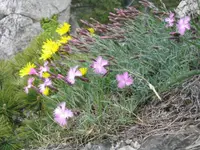
Shear After Flower Flush

After the main bloom, lightly shear back the entire clump by 2–3 cm, then water and mulch lightly with fine grit to encourage a dense cushion of new shoots and a second, lighter flowering.

Gritty Surface Mulch

Top-dress around the crowns with a 1–2 cm layer of horticultural grit to keep leaf bases dry, reduce crown rot, and suppress weed seedlings without holding excess moisture.

Divide Aging Clumps

Every 3–4 years, lift and divide crowded mats in early spring or just after flowering, replanting only the youngest outer sections to maintain vigor and flower production when growing feathered pink.

Improve Winter Drainage

In regions with wet winters, slightly mound the planting area or set plants on a low ridge so water runs off the crowns, reducing the risk of root and crown rot in cold, saturated soil.

Common Pests and Diseases

Carnation rust

This disease causes orange to brown pustules on leaves and stems, often leading to yellowing and premature leaf drop. Symptoms include weakened plants that flower poorly if infection is heavy.

Solution

Remove and discard infected leaves and severely affected plants to reduce spore spread, and avoid overhead watering to keep foliage dry. Improve spacing and air movement around plants, and use a labeled sulfur or myclobutanil-based fungicide if rust returns regularly.

Fusarium wilt

This disease leads to gradual yellowing, wilting, and stunting, often starting on one side of the plant or a single stem. Symptoms include brown discoloration in the lower stem tissue when it is cut open.

Solution

Promptly remove and discard affected plants, including as much root system as possible, since this fungus survives in soil. Replant in fresh, well-drained soil or a different bed, avoid reusing contaminated pots, and do not overwater or allow prolonged soil saturation.

Alternaria leaf spot

This disease produces small dark spots on leaves that enlarge into circular or irregular brown lesions, sometimes with a target-like pattern. Symptoms include thinning foliage and reduced vigor when many leaves are affected.

Solution

Remove spotted leaves and plant debris to lower the amount of fungal spores, and water at soil level rather than on the foliage. Increase sun and airflow where possible, and use a labeled copper or chlorothalonil fungicide if conditions stay humid and spotting continues.

Aphids

These insects cluster on young stems, buds, and leaf undersides, sucking sap and causing curling or distortion of new growth. This pest also excretes sticky honeydew that can encourage sooty mold on leaves and stems.

Solution

Spray plants with a firm stream of water to dislodge colonies, then treat remaining insects with insecticidal soap or neem oil, repeating every 5–7 days until numbers drop. Encourage natural predators such as lady beetles and avoid high-nitrogen fertilizer that promotes very soft, aphid-prone growth.

Carnation leaf miner

This pest forms pale, winding tunnels inside leaves, leading to blotchy, distorted foliage and reduced photosynthesis. This pest damages internal leaf tissue, so affected areas cannot recover once mined.

Solution

Promptly remove and discard mined leaves to break the insect life cycle, and monitor new growth closely for fresh tunnels. In outdoor plantings, floating row covers can help exclude adult flies, and a systemic insecticide labeled for leaf miners may be used where infestations are severe and persistent.

Interesting Facts

Fringed petal edges

This species is characterized by deeply cut, fringed petal margins that look almost shredded, a key trait that distinguishes it from many other Dianthus species with smoother petals.

Strong clove fragrance

The flowers produce a noticeable clove-like scent due to aromatic compounds in their essential oils, which historically made them popular as fragrant edging plants in European cottage gardens.

Old European garden perennial

Dianthus plumarius has been cultivated in European gardens since at least the Middle Ages, and many traditional cottage garden selections trace back to early forms of this species rather than to modern hybrid carnations.

Botan icon

Did you know?

Natural populations of Dianthus plumarius are native to rocky, limestone-rich slopes in central and eastern Europe, where the species is adapted to thin, alkaline soils and windy, exposed sites that many other ornamentals cannot tolerate.

FAQs about feathered pink

Lack of flowers usually comes from too little sun, heavy or waterlogged soil, excess nitrogen fertilizer, or old, woody stems. Regular deadheading, moderate feeding, well-drained soil, and division every few years help restore flowering.

Grow Healthy Plants with Botan Care

Keep your plants happy and healthy with plant identification, disease detection, and easy care guidance.

Botan plant care app — identify plants on mobile

Explore More Plants