Rose Care (Rosa 'Veilchenblau')

Rose

About Rose

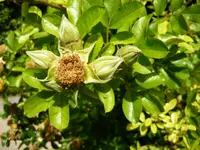
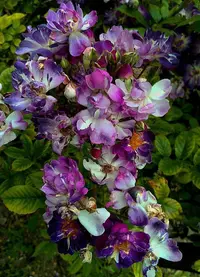
Rosa 'Veilchenblau' is a vigorous rambling rose, grown mainly for its clusters of small, mauve to violet flowers that fade to soft bluish tones. The blooms are usually semi-double, lightly scented, and appear once in a heavy flush in early summer.

This cultivar is derived from garden roses, not a wild species, and is often trained over arches, pergolas, or fences due to its long, flexible canes. It is generally robust and cold-hardy, but the strong growth and thorns mean it needs space and some structure for support.

Rosa 'Veilchenblau' prefers full sun, reasonably fertile, well-drained soil, and benefits from regular pruning, which shapes the plant and makes it easier to care for Rose.

Main Plant Requirements

Care Difficulty

Moderate Care

Light Preference

Full Sun

Water Requirements

Regular Water

Temperature Preference

Cold Hardy

Hardiness Zone

5–9

Soil Texture

Loamy, Sandy, Organic-rich

Soil pH

Acidic (5.5–6.5), Slightly acidic (6.5–7.0)

Soil Drainage

Moist but well-drained

Fertilization

Light (every 4–6 weeks)

Get Personalized Care Plan

Scan your plant to receive care tips personalized for your specific plant

Available on iOS and Android

How to Care for the Rose

This vigorous climbing rose flowers best with plenty of direct sun and moderate heat exposure.

  • Provide 6–8 hours of direct sun daily; morning sun with light afternoon shade is ideal in hot summers to protect blooms from scorch.
  • Rosa 'Veilchenblau' tolerates light partial shade (around 4–5 hours sun), but flowering and growth become sparser in deeper shade.
  • In cooler climates, full sun all day is beneficial; in very hot, dry regions, offer filtered light or shade during the harshest afternoon hours to reduce stress.

This rambling rose prefers deep, infrequent watering that keeps roots moist but not saturated.

  • Water when the top 3–5 cm of soil feels dry, soaking the root zone thoroughly rather than giving light surface splashes.
  • Ensure soil drains freely; standing water, a sour smell, yellowing leaves, and blackened stems signal overwatering and poor aeration.
  • In spring and summer, check moisture more often during heat or wind; in cool or rainy periods, extend intervals and avoid wetting foliage late in the day.

This hardy rambler tolerates cold winters but performs best with moderate seasonal temperatures.

  • Ideal growing temperatures are about 60–80°F (16–27°C), supporting steady shoot growth and flower production without heat stress.
  • Mature plants usually survive down to about -10°F (-23°C) with proper root insulation from mulch and established woody canes.
  • During heat above 90°F (32°C), flowering may slow and petals scorch more easily, so combine good soil moisture with some afternoon shade to limit stress.

This rambling rose copes well in typical outdoor humidity if watered correctly.

  • Aim for 40–70% humidity, as found in most temperate gardens, without trying to create a humid microclimate.
  • Dry air is usually tolerated, but prolonged hot, desiccating winds can crisp leaf edges and reduce flower longevity.
  • If air is very dry, reduce stress by mulching the root zone and providing wind protection rather than misting foliage.

Rosa 'Veilchenblau' prefers deep, moderately moist, well-drained loam that supports extensive root growth.

  • Use a loamy, crumbly structure with roughly 40% garden soil, 40% composted organic matter, and 20% coarse mineral material such as sharp sand or fine grit.
  • Target a slightly acidic to neutral pH around 6.0–7.0 to optimize nutrient availability and root function.
  • Improve aeration and drainage on heavier clay sites by incorporating coarse sand, grit, or fine bark before planting, working it at least 25–30 cm deep.
  • Avoid compacted, waterlogged, or very shallow soils, which promote weak roots, increased disease risk, and winter crown damage.

This vigorous rambler is only moderately suitable for containers and performs best in very large, stable pots outdoors.

  • Choose a container at least 45–60 cm deep and wide to accommodate strong root growth and to prevent rapid drying and tipping.
  • Use a heavy, frost-resistant material such as thick ceramic or concrete to stabilize long canes and reduce wind toppling.
  • Anchor a sturdy trellis or obelisk directly within the pot so climbing stems do not lever the container or disturb the root ball.

This climbing rose responds well to moderate, structured feeding during the active growing season.

  • Use a balanced granular or slow-release fertilizer (e.g., 10-10-10) or well-rotted compost as the main nutrient source.
  • Feed Rosa 'Veilchenblau' every 4–6 weeks from early spring to mid-summer, then stop to allow stems to harden.
  • Apply at half to three-quarter label strength, keeping fertilizer off stems and foliage to prevent burn.
  • During late fall and winter dormancy, avoid high-nitrogen products and rely mainly on compost or not feeding at all.

Pruning keeps Rosa 'Veilchenblau' flowering well and maintains a manageable, healthy framework.

  • Carry out main pruning in late winter to very early spring before strong new growth starts.
  • Remove dead, diseased, or damaged canes first, then thin out the weakest or most crowded stems at the base.
  • Shorten remaining flowering laterals by about one-third to control size and encourage vigorous new shoots with blooms.
  • Use clean, sharp bypass pruners and make angled cuts just above outward-facing buds to guide growth.

This rambler is usually grown in the ground, so transplanting is more common than repotting.

  • Transplant in late fall or very early spring when the plant is dormant and soil is workable.
  • Move plants only when necessary, such as poor performance, waterlogging, or space constraints, typically every many years.
  • Water deeply before digging, then lift with as much root ball as possible to reduce root stress and shock.
  • Replant Rosa 'Veilchenblau' at the same depth in well-drained soil, water thoroughly, and mulch lightly to support recovery.

Gardeners commonly propagate this rose by cuttings or layering rather than by seed.

  • Take semi-ripe cuttings in late summer or hardwood cuttings in late fall from healthy, non-flowering shoots.
  • Trim cuttings to 10–15 cm, remove lower leaves, and insert into a gritty, free-draining medium kept slightly moist.
  • Provide bright, indirect light and stable temperatures around 65–75°F to support rooting and reduce stress.
  • For simple layering in spring, bend a flexible cane to the soil, lightly wound, peg down, cover with soil, and sever once rooted.

Rosa 'Veilchenblau' is generally cold hardy in many temperate gardens but benefits from simple winter care in colder zones.

  • After hard frosts, apply 5–8 cm of organic mulch around the root zone, keeping it slightly away from the main stems.
  • In colder regions, mound soil or compost 10–15 cm high around the crown for extra insulation.
  • Tie long canes to sturdy supports to reduce wind damage and breakage during winter storms.
  • Container-grown plants in very cold climates can be moved into an unheated garage or against a sheltered wall to moderate extremes.

Care Tips

Fan-Shaped Training

Train new canes horizontally along a fan shape on wires or a trellis to encourage more flowering side shoots along each stem rather than just blooms at the tips.

Post-Flowering Thinning

Right after the main flush of flowers fades, remove 1–3 of the oldest, thickest canes at the base to keep the plant open, reduce disease pressure, and stimulate young replacement growth.

Layering for Renewal

In early spring, peg a flexible young cane down into the soil and lightly cover a section with compost to encourage rooting, then cut and transplant it later to replace weak sections or extend the planting.

Support Against Wind

In exposed sites, fix sturdy tensioned wires or a solid trellis and tie canes loosely with soft ties in a figure-eight pattern to prevent wind rock and stem splitting at the base.

Targeted Disease Monitoring

From late spring, inspect the plant weekly for early signs of powdery mildew or black spot on lower leaves, and remove and dispose of affected foliage promptly to keep disease from spreading when growing Rose in tighter spaces.

Common Pests and Diseases

Rose powdery mildew

This disease causes a white to gray, powdery coating on young leaves, shoots, and flower buds, often leading to distorted growth. Symptoms include reduced vigor and poor flowering in dense or shaded plantings.

Solution

Prune to open the plant for better airflow, remove and discard affected shoots, and avoid overhead watering in the evening. If needed, apply a sulfur or potassium bicarbonate fungicide labeled for roses during dry, mild weather, following label directions carefully as part of broader Rosa 'Veilchenblau' plant care.

Black spot

This disease produces round black spots with fringed edges on leaves, followed by yellowing and premature leaf drop, especially in humid, warm conditions. Symptoms include gradual defoliation from the bottom of the plant upward.

Solution

Collect and discard fallen leaves, prune out heavily affected stems, and water at soil level to keep foliage dry. Use a preventive rose fungicide containing chlorothalonil or myclobutanil during prolonged wet periods, rotating products to reduce resistance risk.

Rose rust

This disease shows as orange to rust-colored pustules on the undersides of leaves, sometimes with yellow spots on the upper surfaces. Symptoms include leaf yellowing, drop, and reduced flowering when infections are heavy.

Solution

Remove and destroy infected leaves and thin crowded stems to improve air circulation. In climates with frequent cool, moist springs, apply a rust-labeled rose fungicide early in the season and avoid overhead irrigation that keeps foliage wet for long periods.

Rose aphids

These insects cluster on soft shoot tips and buds, sucking sap and causing curling leaves, sticky honeydew, and distorted flowers. This pest can build up quickly on the strong spring flush of growth typical for this rambler rose.

Solution

Spray shoots with a firm stream of water to dislodge colonies, and pinch off heavily infested soft tips if practical. For persistent infestations, use insecticidal soap or a neem oil product labeled for roses, coating undersides of leaves and tender growth while protecting beneficial insects by treating in early morning or evening.

Rose sawfly (rose slug)

These larvae skeletonize leaves from the underside, leaving a windowpane or scorched appearance on foliage, especially on the lower and inner parts of the plant. This pest can thin the canopy and reduce flowering if not controlled early in the season.

Solution

Inspect the undersides of leaves in spring, handpick or crush visible larvae, and prune out heavily infested shoots. When damage is increasing, apply a horticultural oil or a spinosad-based product labeled for sawflies, ensuring thorough coverage of leaf undersides and repeating as needed according to label directions.

Interesting Facts

Soft thornless shoots

Mature stems of this rambling rose keep some prickles, but the young, flexible shoots are almost smooth, which made it historically useful for training over entrances and walkways with reduced risk of snagging clothing or skin.

Unusual color change

The flowers open crimson-purple with a white eye and then fade through violet to a greyed mauve, creating a multicolored effect on one plant as clusters age at different speeds.

Intense clove fragrance

The blooms are known for a strong clove-like scent, rather than the typical fruity or classic rose fragrance, which makes it popular in gardens focused on scented plants.

Botan icon

Did you know?

This early 20th‑century German cultivar, introduced by J. C. Schmidt in 1909, became one of the first widely grown mauve ramblers and is often cited as a key ancestor in breeding later violet and purple climbing roses.

FAQs about Rose

This cultivar is a vigorous rambler with long, flexible canes that naturally climb and sprawl rather than form a tidy shrub. It can cover arches, pergolas, or fences when given support and light training.

Grow Healthy Plants with Botan Care

Keep your plants happy and healthy with plant identification, disease detection, and easy care guidance.

Botan plant care app — identify plants on mobile

Explore More Plants